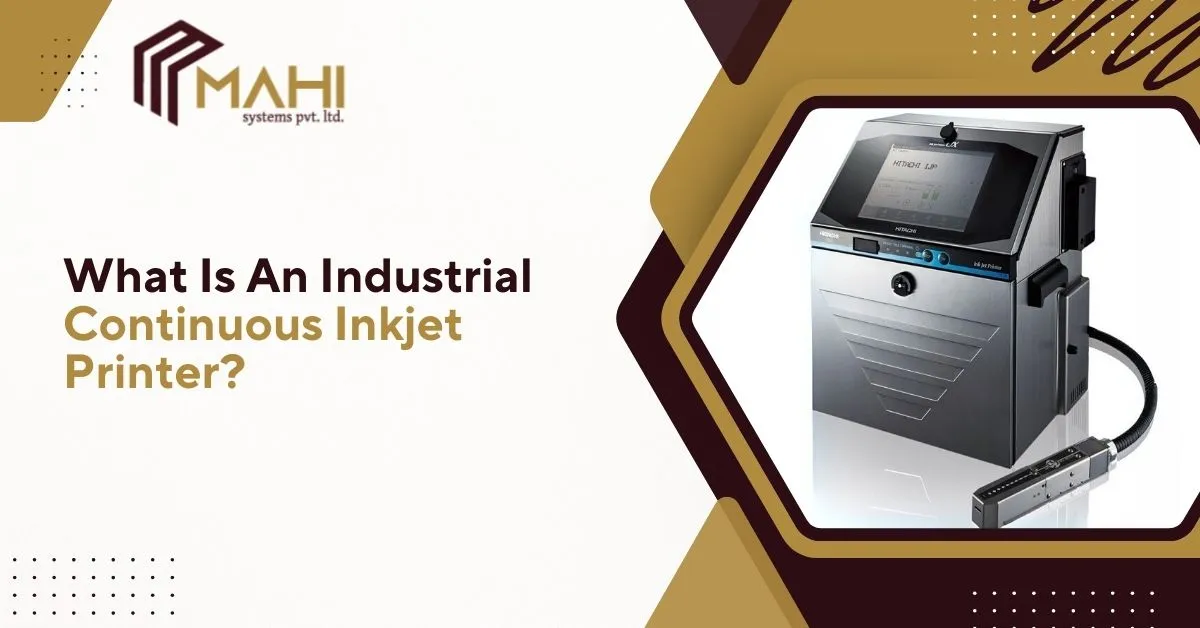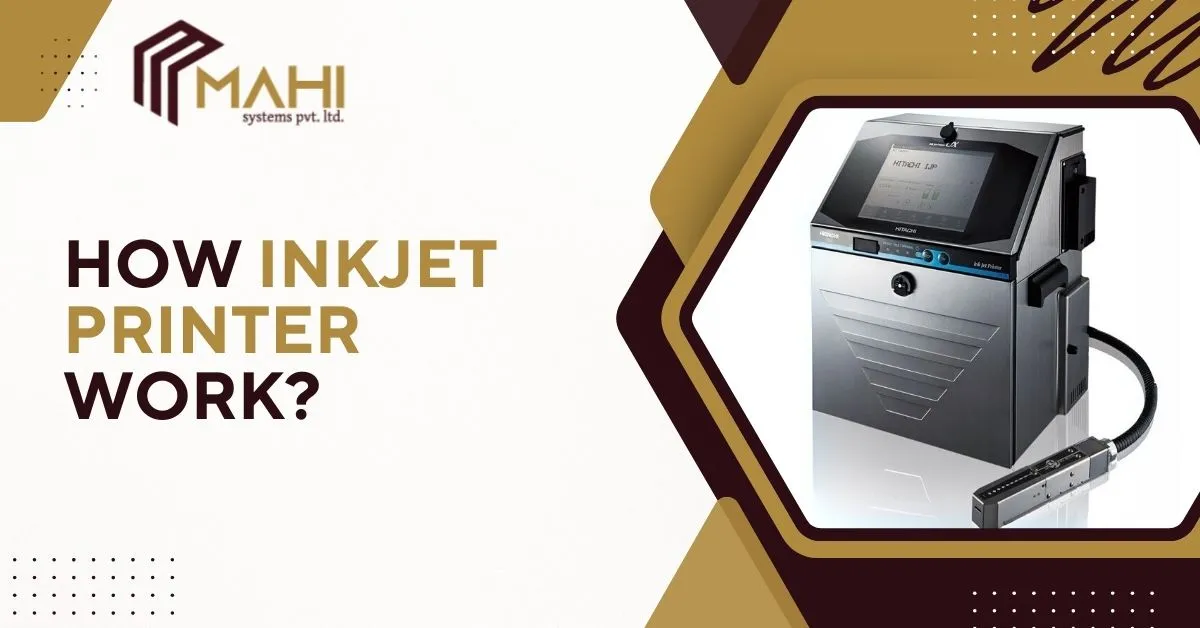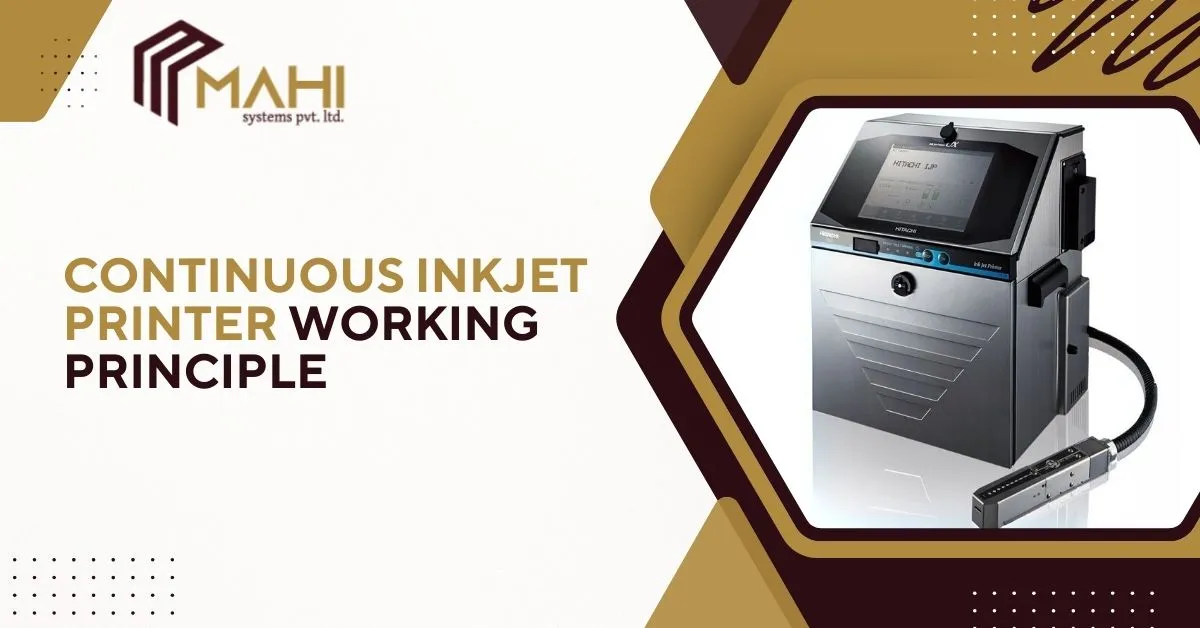
Industrial product identification is critical for traceability, compliance, and brand protection. From expiry dates to…

Fiber laser marking machines are revolutionizing how manufacturers add permanent, high-precision marks to parts and products — from serial numbers and barcodes to intricate logos and microtext. This guide explains the main applications, benefits, comparisons, and buying considerations in easy-to-understand language. Fiber laser marking machine applications are central to modern manufacturing because they deliver fast, permanent, and high-precision marks across many materials.
How Fiber Laser Marking Technology Works
Learn how fiber laser marking machines work to produce precise, permanent marks on metal, plastic, and coated surfaces.
At a high level:
- A fiber laser generates a high-energy light beam inside a glass fiber doped with rare-earth elements.
- Galvanometer mirrors (galvo) direct the beam quickly across the target surface according to vector/raster patterns.
- The laser energy locally heats, oxidizes, or vaporizes material to create color changes, etching, or engraving.
- Software controls (often with vector import and database integration) enable high-speed, automated marking for production lines.
Advantages of the technology include low maintenance (no mirrors or gas replacements like older lasers), high wall-plug efficiency, and excellent beam quality for fine detail.
Top Industrial Applications of Fiber Laser Marking Machines
Explore Fiber laser marking machine in industry — key applications in automotive, electronics, medical, jewelry and more.
Automotive Industry
Fiber laser marking is used for VIN encoding, engine/gearbox serials, and direct part marking on metal components. Benefits: high-speed marking on stamped or cast metals, permanent traceability for safety standards, and compatibility with robotic automation.
Electronics & Semiconductor Industry
For electronics, fiber lasers mark PCBs, connectors, and micro-components with barcodes, QR codes, and micro-text. Fiber laser engraving applications here ensure readable, heat-resistant markings for long product lifecycles.
Medical & Healthcare Sector
Regulatory standards (UDI — Unique Device Identification) require permanent, legible marks on implants and surgical tools. Fiber lasers provide biocompatible, high-contrast markings that withstand sterilization processes.
Jewelry & Customization
Fiber laser engraving allows fast, precise engraving on stainless steel, titanium, and coated jewelry. Small fonts, logos, and serialized customizations can be produced without heat damage to delicate pieces.
Aerospace & Defense
Aerospace components need marks that survive extreme environments. Fiber lasers mark serials, inspection stamps, and part IDs with exceptional resistance to wear and corrosion.
Manufacturing & Tooling
Tools, gauges, and molds benefit from permanent part numbers and wear-resistant marks. Fiber lasers can create micro-text and deep marks for tooling traceability.
Plastics & Polymers
On certain plastics, fiber lasers induce localized color change (oxidation) or foaming (expansion) to form contrast marks without removing material — useful for consumer products and packaging.
Advantages of Using Fiber Laser Marking Machines
Discover the advantages of fiber laser marking and why manufacturers choose fiber laser engraving for permanent, efficient marking.
| Benefit | Why it matters |
| High Precision | Capable of micro-text, fine logos, and barcodes readable by automated scanners. |
| Permanent Durability | Marks resist abrasion, heat, solvents and sterilization. |
| High Speed | Suitable for serial production and integration with conveyor/robot systems. |
| Low Operating Cost | No inks/consumables; minimal maintenance compared to older laser types. |
| Versatility | Works on metals, many plastics, ceramics, and coated surfaces. |
| Eco-friendly | No chemical wastes or consumables — minimal environmental footprint. |
These advantages make fiber lasers the preferred choice for industrial laser marking uses where permanence, speed, and clarity matter.
Fiber Laser vs Other Laser Marking Technologies
For buyers, Fiber laser marking machine vs CO₂ and UV comparisons clarify which laser fits each application best.
| Feature | Fiber Laser | CO₂ Laser | UV Laser |
| Wavelength | ~1064 nm | ~10.6 µm | ~355 nm |
| Best for | Metals, many plastics | Organic materials, wood, acrylic | Glass, delicate plastics, micro-marking |
| Marking Speed | Very high | Medium | Slower |
| Maintenance | Low | Medium | Higher |
| Consumables | None | None | None |
| Typical Use Case | Industrial metal marking, electronics | Signage, textiles | Semiconductor or ultra-fine marking |
Key Industries Benefiting from Fiber Laser Marking
The list of industries using Fiber laser marking machine continues to grow as traceability and product safety demands increase.
- Automotive manufacturing
- Electronics and electrical components
- Medical and surgical device manufacturing
- Aerospace and defense
- Jewelry and luxury goods
- Tooling, molds and dies
- Consumer electronics and appliances
These sectors use fiber laser marking for serialization, batch tracking, anti-counterfeiting, and compliance.
Ready to enhance your production with precision laser marking?
Contact us today to explore the right fiber laser marking machine for your industry needs.
Factors to Consider Before Choosing a Fiber Laser Marking Machine
Learn how to choose a Fiber laser marking machine by comparing power, marking area, and automation features.
Key buying factors:
- Laser power (Wattage): Higher wattage (20W–50W+) for deep engraving or high throughput; lower power for fine micro-marking.
- Marking field size: Make sure the galvo/optics cover the part size; consider rotary attachments for cylindrical parts.
- Pulse format: Optimized pulses improve mark quality on coated or sensitive materials.
- Cooling type: Air-cooled for lower-power systems; water-cooled for high-power continuous use.
- Software & connectivity: Look for easy import of vector graphics, database linking, and PLC/robot integration.
- After-sales support: Local training, spare parts availability, and software updates minimize downtime.
Future Trends in Fiber Laser Marking Applications
The future of Fiber laser marking machine technology includes smarter integration with automation, AI, and Industry 4.0 systems.
Emerging trends:
- Integration with robotic arms for 6-axis marking and part handling.
- Real-time quality inspection using machine vision to verify marks (AEO-friendly content helps answer user intent).
- AI-driven mark optimization for different material batches.
- Expanded use in medical implants and wearable electronics as miniaturization continues.
Frequently Asked Questions
A fiber laser marking machine is used to permanently mark metals, plastics and coated surfaces with serial numbers, logos, barcodes, QR codes and micro-text for traceability, branding and regulatory compliance.
Common materials include stainless steel, aluminum, brass, titanium, copper, ABS, polycarbonate and certain coated plastics. Some materials require pulse tuning to get high-contrast marks.
Yes — fiber laser marks are generally permanent and resistant to abrasion, heat and solvents, making them suitable for long-life products and parts.
Marking typically changes surface color or texture without removing significant material; engraving removes material to create a deeper cut. Fiber lasers can both mark (color change) and engrave depending on settings.
Yes. Fiber lasers are commonly used to apply UDI-compliant markings on surgical instruments and implants because marks withstand sterilization and remain legible.
Conclusion
The Fiber laser marking machine applications span industries that require permanent, fast, and precise marking. Whether you need traceability for regulatory compliance, brand marking, or anti-counterfeiting measures, fiber laser engraving delivers a cost-effective, low-maintenance solution that scales from bench-top production to fully automated assembly lines.
Related Posts