Industrial product identification is critical for traceability, compliance, and brand protection. From expiry dates to…
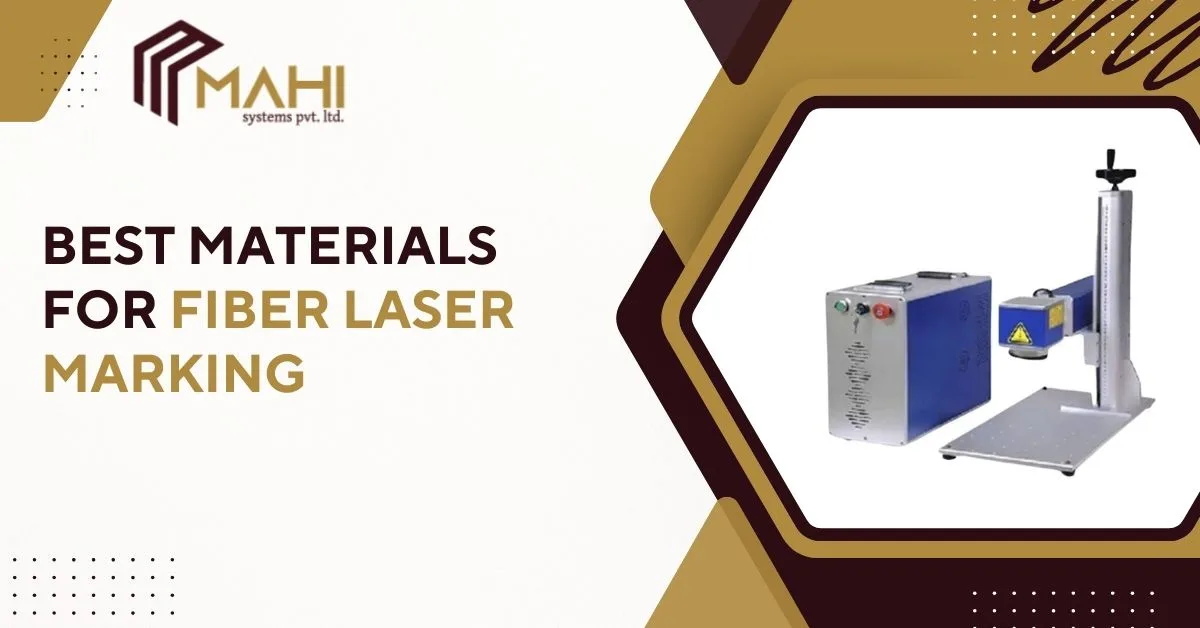
Choosing the right material for laser marking plays a major role in determining the final marking quality, durability, and efficiency. A Fiber Laser Marking Machine is known for its unmatched ability to mark a wide range of metals, plastics, and engineered materials with permanent, high-contrast results. This guide explores the best materials suitable for fiber laser technology and helps you understand why fiber lasers are the industry’s top choice for precision marking.
Understanding Why Material Selection Matters
A Fiber Laser Marking Machine performs exceptionally well on materials that can absorb laser wavelengths efficiently. Material selection influences marking speed, depth, clarity, contrast, and overall performance. Whether you’re engraving serial numbers, barcodes, QR codes, logos, or batch details, choosing the right material ensures permanent, readable, and damage-free results. Different materials react differently to laser energy, making it essential to choose surfaces that optimize the marking process.
Metals – The Best Material Category for Fiber Lasers
A Fiber Laser Marking Machine is widely recognized for its superior performance on metals. Fiber lasers generate deep, crisp, permanent marks on various metals due to their excellent laser absorption.
Common Metals Suitable for Fiber Laser Marking:
- Stainless Steel: Ideal for high-precision engraving, data matrices, and branding.
- Aluminum: Perfect for anodized or raw aluminum components in electronics and automotive.
- Brass & Copper: Used for electrical components; fiber lasers can produce high-contrast marks.
- Titanium: Excellent for aerospace, medical tools, and high-strength components.
- Carbon Steel & Mild Steel: Frequently used for automotive parts and industrial tools.
Fiber lasers can engrave deep or create annealing marks without damaging the metal’s structural integrity. This makes metals the top choice in manufacturing, aerospace, automotive, medical, and electronics industries.
Plastics – Suitable with Proper Formulation
A Fiber Laser Marking Machine can also mark many plastics, though the results depend on the color, density, and additives of the material. Fiber lasers alter the surface of plastics through foaming, carbonizing, or color-changing processes.
Plastics That Work Well with Fiber Lasers:
- ABS (used in electronics and housings)
- Polycarbonate
- Polyamide (Nylon)
- PBT
- PET
- Polypropylene (PP)
- Certain engineered plastics with laser-reactive additives
Plastics absorb fiber laser energy differently, so testing is always recommended. With proper adjustment, fiber lasers can deliver clear, readable results ideal for electronics, wiring, and consumer product branding.
Rubber – Excellent for Deep and High-Contrast Marks
A Fiber Laser Marking Machine produces strong contrast and deep marks on rubber surfaces. Rubber components in automotive, industrial tools, and seals often require permanent labeling for identification.
Suitable Rubber Types:
- EPDM
- Silicone rubber
- Natural rubber
- Industrial rubber compounds
Fiber lasers generate precise engravings without causing excessive damage or melting, making rubber a reliable material for durable marking.
Ceramics & Carbides – High Durability Marking
A Fiber Laser Marking Machine marks certain ceramics and tungsten carbides where extreme durability is required. These materials are used in tools, medical devices, and aerospace components. While marking depth may vary, fiber lasers offer crisp and permanent marks that withstand harsh environments.
Coated & Painted Surfaces
A Fiber Laser Marking Machine performs exceptionally on coated metals, anodized aluminum, painted surfaces, and powder-coated parts. Fiber lasers can remove the top layer of coating to reveal the base material underneath, creating sharp and clean contrasting marks.
Applications include:
- Consumer electronics
- Automotive dashboard parts
- Tools and machinery
- Nameplates and panels
This process ensures branding and identification remain visible for years.
Looking for the perfect material compatibility for your marking needs?
Reach out today and contact us for expert guidance.
Materials Not Ideal for Fiber Lasers
Although fiber lasers work on many materials, some are not optimal due to low absorption of 1064nm wavelength.
Materials fiber lasers are not ideal for:
- Wood
- Glass
- Transparent plastics
- Stone
- Organic materials
For these materials, CO₂ or UV lasers are more suitable.
Suitable Materials
| Material Type | Suitability | Marking Quality | Depth Capability | Typical Use Cases |
| Stainless Steel | Excellent | High contrast | Deep engraving | Medical, automotive, tools |
| Aluminum | Excellent | Very high | Medium–deep | Electronics, aerospace |
| Brass/Copper | Good | High | Medium | Electrical components |
| Titanium | Excellent | High | Medium–deep | Aerospace, medical |
| Plastics | Moderate–Excellent | Varies by type | Light–medium | Electronics, packaging |
| Rubber | Good | Strong contrast | Medium | Automotive, seals |
| Ceramics | Good | Crisp | Shallow | Industrial, dental tools |
| Coated Metals | Excellent | High contrast | Surface | Branding, labels |
Industry Applications of Material-Specific Marking
A Fiber Laser Marking Machine creates tailored markings based on the material, ensuring long-lasting, readable identifiers across industries.
Industries relying on material-specific fiber laser marking include:
- Automotive manufacturing
- Aerospace engineering
- Medical instrument production
- Electronics & semiconductor industry
- FMCG & packaging
- Tool and mold making
- Metal fabrication
Each industry benefits from the high repeatability, low maintenance, and permanent results fiber lasers deliver.
Key Factors When Selecting Materials for Fiber Lasers
Before marking, consider:
- Laser absorption properties of the material
- Desired marking depth
- Contrast requirements
- Durability expectations
- Environmental conditions (heat, chemicals, abrasion)
Choosing the right material ensures maximum marking efficiency and long-term legibility.
Frequently Asked Questions
A Fiber Laser Marking Machine can mark a wide range of materials, including stainless steel, aluminum, brass, copper, titanium, carbide, plastics, polymers, coated metals, and certain ceramics. It is especially effective for high-contrast, permanent marks on metals used in automotive, electronics, and industrial manufacturing.
Yes. A Fiber Laser Marking Machine can mark many plastic types such as ABS, PVC, HDPE, polypropylene, polycarbonate, and nylon. It uses heat-based marking processes that create clean, readable text, barcodes, and logos without damaging the surface, depending on color and polymer composition.
Metals like stainless steel, titanium, brass, and aluminum respond extremely well to deep engraving with a Fiber Laser Marking Machine. These materials allow deeper penetration without losing clarity, making them ideal for serial numbers, industrial tool marking, and long-lasting identification.
Absolutely. Modern Fiber Laser Marking Machines are designed to handle reflective surfaces, including aluminum and silver-coated materials. The beam wavelength allows precise engraving without reflection damage, making them safe and effective for these surfaces.
Fiber lasers are not ideal for organic materials such as wood, leather, fabric, paper, or rubber when precision marking is needed. These materials absorb laser energy differently and may burn or degrade. For such surfaces, CO₂ lasers are typically preferred.
Conclusion
A Fiber Laser Marking Machine offers unmatched performance across a wide variety of materials, making it the preferred solution for modern manufacturing. Metals like stainless steel, aluminum, and titanium deliver the best results, while plastics, rubber, ceramics, and coated surfaces also perform exceptionally well with proper settings. Understanding material compatibility helps businesses achieve deeper, clearer, and longer-lasting marks. With growing demand for precise identification and durable branding, fiber laser marking continues to be a powerful tool for industries seeking efficiency, quality, and long-term traceability.
Related Posts