Industrial product identification is critical for traceability, compliance, and brand protection. From expiry dates to…
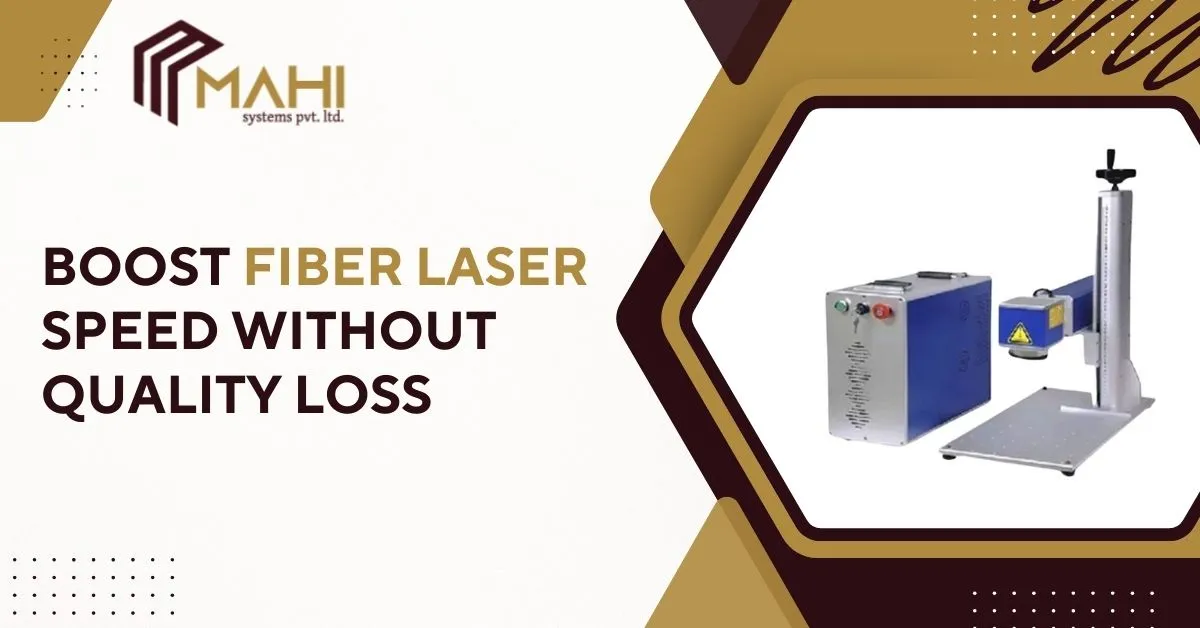
The Fiber Laser Marking Machine has become a critical tool for modern manufacturers, enabling precise, permanent marking on metals, plastics, and other industrial materials. As production demands rise, businesses using a Fiber Laser Marking Machine face the challenge of increasing marking speed without compromising quality. By understanding laser parameters, material compatibility, and workflow optimization, you can achieve high-speed marking with consistent results.
Why Speed and Quality Matter in Fiber Laser Marking?
High-speed production ensures efficiency, reduces operational costs, and helps meet tight deadlines. However, poor marking quality can affect product traceability, brand reputation, and compliance with industry standards. A Fiber Laser Marking Machine bridges the gap, offering both speed and precision for industrial marking, logos, barcodes, serial numbers, and batch codes.
Optimize Laser Settings
Adjust Power and Frequency
- Proper laser power ensures clear, durable markings without damaging the material.
- Frequency settings must match the material type to maintain clarity.
- Test different settings on sample materials to achieve the ideal balance between speed and sharpness.
Control Pulse Duration
- Short pulses reduce heat-affected zones, preventing surface damage and deformation.
- Optimal pulse duration improves engraving consistency, especially for metals and coated surfaces.
Beam Focus and Spot Size
- Adjust the beam focus for different material thicknesses.
- A smaller spot size produces sharper markings, ideal for detailed logos or microtext.
Choose the Right Materials
Material selection directly impacts marking speed and quality. Metals, plastics, and anodized surfaces respond differently to fiber lasers. For example:
- Stainless Steel & Aluminum: Durable and ideal for high-speed marking.
- Plastics: Require testing to avoid melting or discoloration.
- Anodized Metals: Provide high contrast but need optimized power settings.
Using the correct material reduces errors and increases throughput.
Advanced Motion Control
Modern Fiber Laser Marking Machines come with advanced motion systems:
- High-precision gantries minimize vibrations.
- Servo motors reduce idle movement between marking points.
- Optimized scanning algorithms maintain accuracy during fast marking, preventing smudges or double marks.
Software Optimization
- Utilize software to plan marking paths efficiently.
- Batch processing and template management reduce downtime.
- Complex designs and variable data printing can be executed without affecting speed or quality.
Looking to boost your Fiber Laser Marking Machine efficiency? Contact us today for expert guidance, training, and solutions tailored to high-speed industrial marking.
Maintenance and Calibration
Routine care is essential:
- Clean lenses and mirrors regularly to prevent dust and residue from affecting the laser beam.
- Align the optical path periodically to ensure consistent marking.
- Replace worn parts like nozzles or protective windows to maintain speed and precision.
Fiber Laser Settings for Speed and Quality
| Material Type | Laser Power | Frequency | Pulse Duration | Optimal Speed | Notes |
| Stainless Steel | 30-40 W | 20-50 kHz | 100 ns | 5000 mm/s | Clear engraving |
| Aluminum | 25-35 W | 15-40 kHz | 120 ns | 4500 mm/s | Avoid overburning |
| Plastic | 20-30 W | 10-30 kHz | 80 ns | 4000 mm/s | Test coated surfaces |
| Anodized Metal | 25-35 W | 20-50 kHz | 100 ns | 4800 mm/s | High contrast marks |
Tips to Increase Fiber Laser Productivity
- Batch Marking: Group similar jobs to minimize setup changes.
- Pre-program Designs: Preload templates to reduce operator intervention.
- Cooling Systems: Maintain laser and optics at optimal temperature to prevent downtime.
- Regular Training: Ensure operators understand software and hardware settings for efficiency.
- Quality Checks: Inspect first pieces to prevent large-scale errors.
Applications of Fiber Laser Machine
- Automotive Industry: VIN numbers, part codes, and component tracking.
- Electronics: Circuit boards, serial numbers, and logos.
- Jewelry & Watches: Microtext engraving and intricate design marking.
- Food & Beverage Packaging: Barcodes, batch numbers, and expiry dates.
These applications demonstrate how Fiber Laser Marking Machines can improve productivity while maintaining brand integrity and compliance.
Frequently Asked Questions
Yes, with optimized power and pulse settings to prevent melting or discoloration.
Clean optics and check alignment every 2-4 weeks depending on usage.
Automotive, electronics, jewelry, packaging, and FMCG sectors.
Conclusion
Optimizing your Fiber Laser Marking Machine requires careful adjustment of settings, material selection, advanced motion control, and routine maintenance. By following best practices, manufacturers can achieve high-speed marking without compromising quality, ensuring efficiency, traceability, and product excellence.
Related Posts