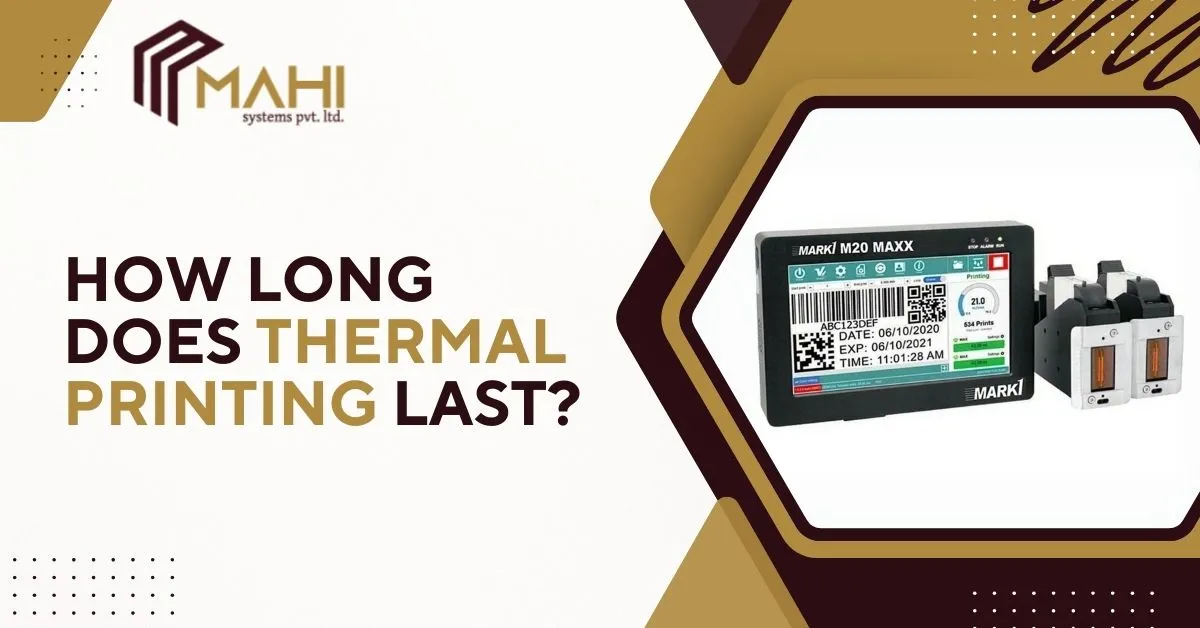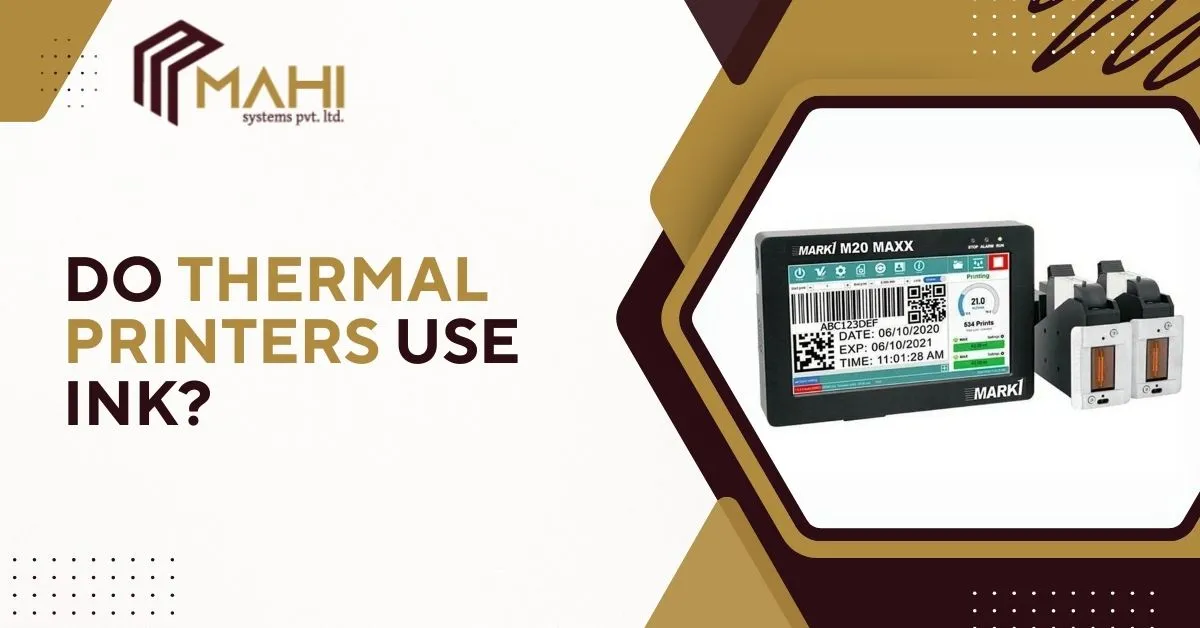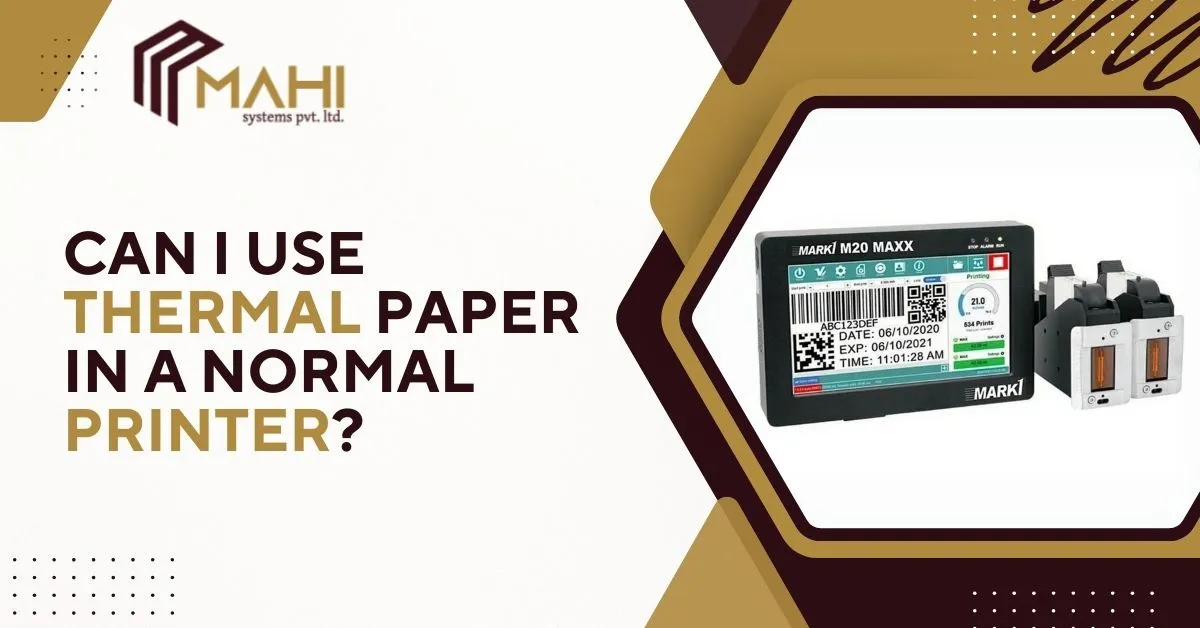
The lifespan of thermal printing depends on the type of thermal method used. With direct…
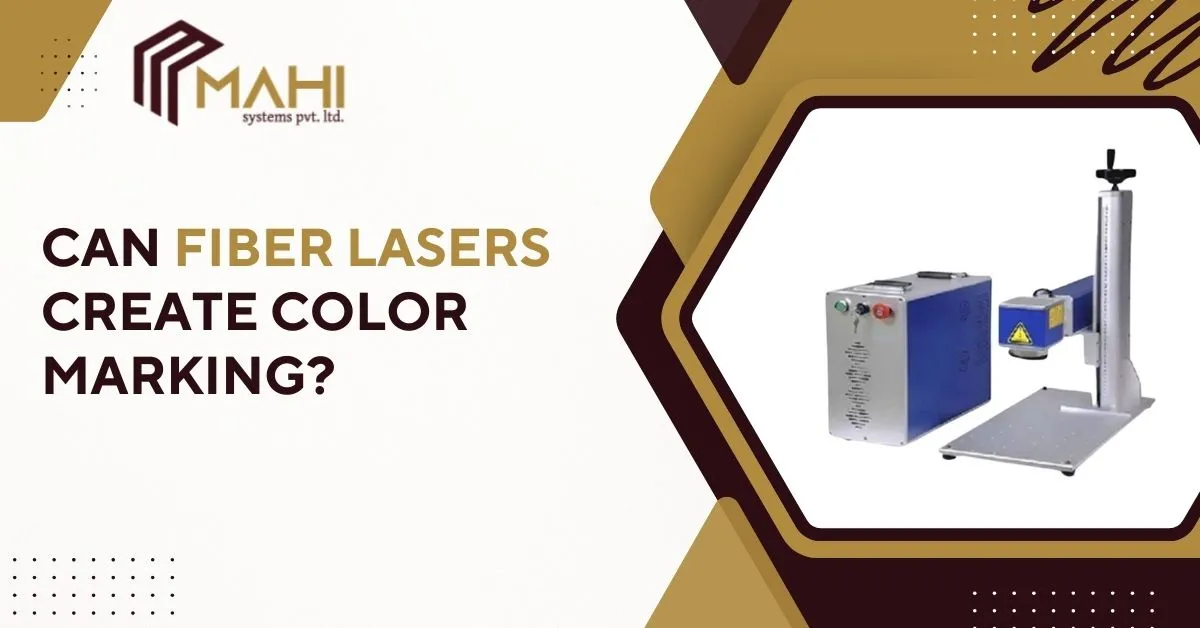
Color marking is becoming a popular requirement for premium branding, traceability, and product aesthetics. Many Fiber Laser Marking Machine manufacturers ask whether a fiber laser can produce colorful logos or codes without inks or labels. The answer is: yes, in many cases, but results depend heavily on laser type (especially MOPA), material, and settings.
What Is Color Marking?
Color marking is a process where a Fiber Laser Marking Machine creates visible color changes on a surface without adding pigment. In the middle of this process, fiber laser color marking usually happens because the laser changes the surface chemistry or texture—most commonly by forming controlled oxide layers. This is different from deep engraving, and it’s also different from “dark marking,” where you only see black/gray contrast instead of real colors.
Can Standard Fiber Lasers Make Color?
A standard Fiber Laser Marking Machine (typical Q-switched fiber) can sometimes create limited color effects, but it’s not the best tool for consistent multi-color results. In the center of most standard setups, fiber laser marking is optimized for contrast and speed, not for controlled oxide thickness. You may get bronze, straw, or darker shades on certain metals, but repeatability is harder compared to advanced pulse-controlled systems.
How Fiber Lasers Create Color?
A Fiber Laser Marking Machine creates color mainly by heating the surface in a controlled way so an oxide layer forms at specific thicknesses. At the center of the technique, pulse width, frequency, speed, and power density determine how the metal reacts with oxygen. Small changes in these parameters can shift the shade, which is why stable settings, consistent surface finish, and clean materials are critical for repeatable color output.
Best Materials for Color Laser Marking
A Fiber Laser Marking Machine performs best for color marking on certain metals, especially stainless steel, where oxide colors are more achievable and visually strong. In the center of most industrial use cases, color laser marking on stainless steel is the most requested application for branding and nameplates. Titanium also produces excellent color variation, while anodized aluminum can show nice contrast. Plastics usually don’t produce “oxide colors” with fiber lasers; they typically create contrast marks rather than true colors.
MOPA vs Standard Fiber for Color Marking
A Fiber Laser Marking Machine with MOPA technology is usually the best choice for consistent color marking. In the middle of this advantage, MOPA fiber laser gives better control over pulse duration (pulse width), enabling more precise heat control and more stable oxide formation. Standard fiber lasers can be great for black marking, engraving, and fast coding, but for reliable color shades and repeatability, MOPA is typically preferred.
Color Marking Compatibility
| Material | Can Fiber Laser Create Color? | Best Laser Type | Notes |
| Stainless Steel | Yes (Excellent) | MOPA Fiber | Most popular for multi-color marking |
| Titanium | Yes (Excellent) | MOPA Fiber | Wide color range, premium finish |
| Anodized Aluminum | Sometimes | Fiber/MOPA | Often contrast-based, depends on coating |
| Brass/Copper | Limited | Fiber/MOPA | Reflective metals can be challenging |
| Mild Steel | Limited | Fiber | More contrast than true color |
| Plastics | Usually No (true color) | UV (often better) | Fiber makes contrast marks, not oxide colors |
| Painted/Coated Parts | Depends on coating | Fiber/CO2/UV | Test recommended |
Where Color Marking Is Used?
A Fiber Laser Marking Machine is widely used for color marking in industries that need premium appearance plus durability. In the center of these applications, laser logo marking and decorative branding are common on stainless steel products, tools, panels, and industrial nameplates. Color marking is also used in jewelry, electronics housings, consumer products, and medical instruments where permanent marks must remain readable and attractive for years.
Common Problems and How to Fix Them
A Fiber Laser Marking Machine may produce inconsistent colors if surface conditions or parameters vary. In the middle of most color issues, oil residue, scratches, uneven polishing, or unstable settings cause shade shifts. To improve consistency, clean the surface, standardize the finish (same grit/polish level), keep parameters locked, ensure stable focus distance, and avoid airflow changes near the marking zone. Running a controlled test matrix (power/speed/frequency) helps “map” stable color recipes.
Want to achieve precise and consistent color marking with laser technology?
Get expert guidance today — contact us to learn more.
How to Select the Right Machine for Color Marking?
A Fiber Laser Marking Machine should be selected based on your material, color expectation, and production volume. In the center of decision-making, choose MOPA fiber if you want repeatable multi-color marks on stainless steel or titanium. For typical industrial identification (black marks, serials, QR codes), standard 20W–30W fiber may be enough. Also consider lens size, software control, and the ability to save material-specific “recipes” for consistent results.
Frequently Asked Questions
Yes, a fiber laser can create true color on metals like stainless steel and titanium by controlling oxide layers—MOPA fiber gives the best results.
A MOPA fiber laser is usually best because it allows pulse-width control for more consistent colors.
Typically no for “true color.” Fiber lasers usually create contrast marks on plastic; UV lasers often perform better for clean plastic marking.
Common causes are surface contamination, different polishing levels, focus variation, or unstable parameters. Clean and standardize the surface finish.
20W–30W can work for many color tasks, but 50W may help for faster cycles or certain finishes—final choice depends on the application and testing.
Conclusion
A Fiber Laser Marking Machine can create color marking, especially on stainless steel and titanium, but results depend on the laser type and parameter control. In the center of reliable color output, MOPA fiber lasers offer the best consistency due to pulse width control and stable heat management. If your goal is premium branding and durable, ink-free color marks, color-capable fiber laser setups are a strong choice—just ensure proper testing on your exact material and finish.
Related Posts