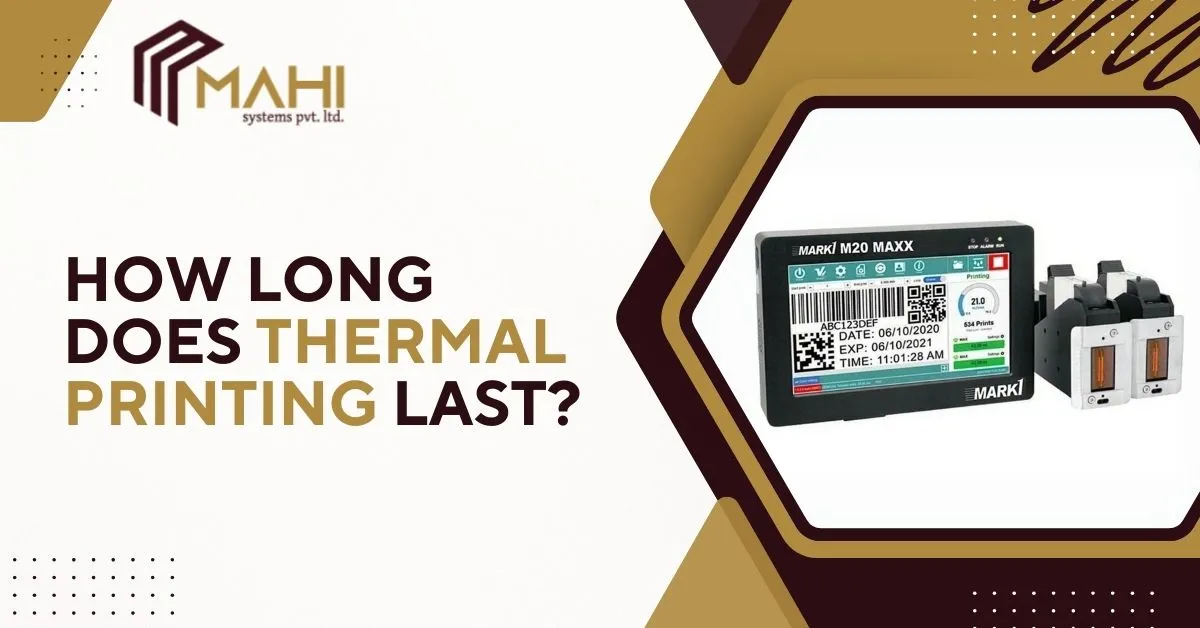
The lifespan of thermal printing depends on the type of thermal method used. With direct…
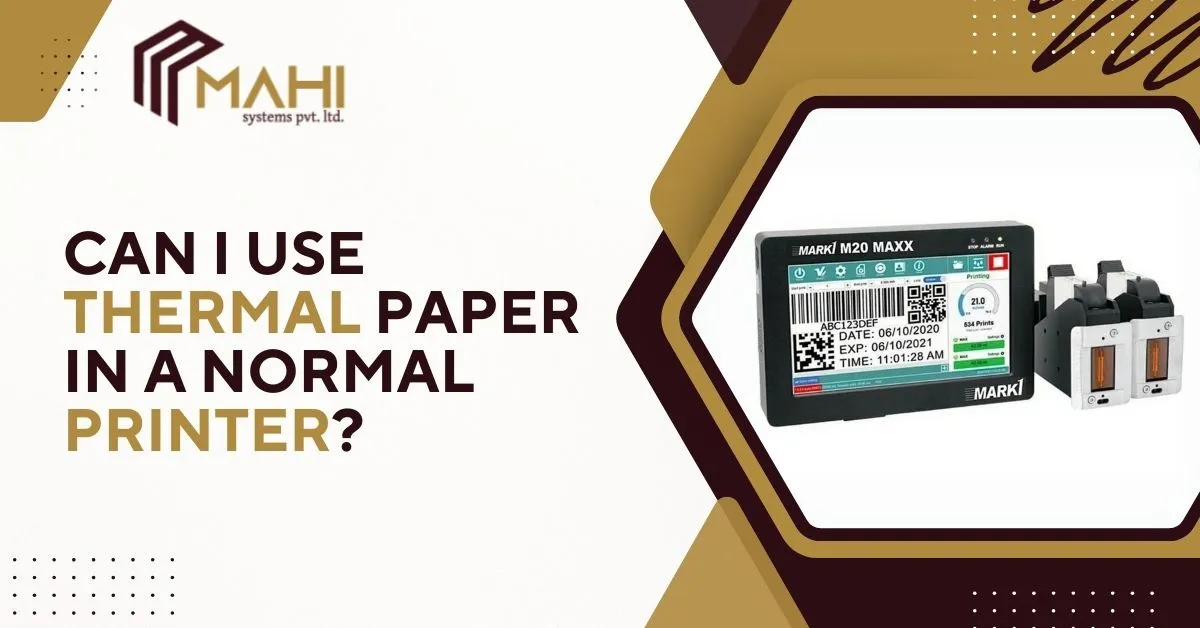
Thermal paper is widely used for receipts, labels, and tickets, but many users often wonder whether it can be used in a regular printer. While Thermal Inkjet Printers are designed specifically for certain printing technologies, understanding the difference between thermal paper and normal paper is essential before attempting to use them interchangeably. Choosing the wrong paper can damage your printer and lead to poor print quality.
What Is Thermal Paper and How Does It Work?
Thermal Inkjet Printers are often confused with thermal printers, but thermal paper works on a completely different principle. Thermal paper is coated with a heat-sensitive chemical layer that reacts to heat and produces text or images without using ink or toner. When heat is applied directly to the paper, the coating darkens to form the print. In contrast, normal printers rely on ink cartridges or toner to transfer images onto plain paper. Because Thermal Inkjet Printers and laser printers do not apply direct heat to paper surfaces in the same way, thermal paper does not function correctly in them.
Can Thermal Paper Be Used in a Normal Inkjet Printer?
The short answer is no. Thermal Inkjet Printers spray microscopic ink droplets onto paper, while thermal paper requires heat to activate its coating. When thermal paper is fed into a normal inkjet printer, the ink will not bond properly with the coated surface, resulting in smudged, faded, or unreadable prints.
Can Thermal Paper Be Used in a Laser Printer?
Laser printers use heat and pressure to fuse toner onto paper, which may sound compatible with thermal paper. However, Thermal Inkjet Printers and laser printers operate at much higher temperatures than thermal paper is designed to withstand. When thermal paper passes through a laser printer, the heat can cause the entire sheet to darken, curl, or stick inside the printer, leading to costly repairs.
Why Thermal Paper and Normal Printers Are Not Compatible?
Even though both involve printing, the technologies are fundamentally different. Thermal Inkjet Printers depend on liquid ink, while thermal paper eliminates ink entirely. The chemical coating on thermal paper reacts unpredictably when exposed to ink, toner, or high heat. This incompatibility results in poor image quality, paper damage, and reduced printer lifespan. For consistent and professional output, it is important to match the correct paper type with the appropriate printer technology.
Thermal Printer vs Normal Printer
| Feature | Thermal Printer | Inkjet / Laser Printer |
| Uses Ink or Toner | No | Yes |
| Compatible with Thermal Paper | Yes | No |
| Print Durability | Medium (can fade) | High |
| Maintenance Cost | Low | Medium to High |
| Ideal Applications | Receipts, labels | Documents, photos |
This comparison highlights why Thermal Inkjet Printers and standard printers should never be used with thermal paper.
What Happens If You Accidentally Use Thermal Paper?
If thermal paper is mistakenly used in Thermal Inkjet Printers or laser printers, the most common issues include blank prints, blackened sheets, paper jams, and internal contamination. While a single mistake may not cause immediate failure, repeated misuse can significantly shorten printer life.
Why Thermal Paper Is Designed Only for Thermal Inkjet Printers
Thermal paper works efficiently only with Thermal Inkjet Printers because the printhead precisely controls temperature and pressure. In the center of thermal printing is heat activation, which standard printers cannot provide accurately. This is why thermal paper is exclusive to POS systems, barcode printers, and industrial labeling machines.
Not sure which printer or paper is right for your application?
Get expert guidance today — contact us for the best solution.
What Paper Should You Use in Normal Printers Instead?
For inkjet and laser printers, always use standard paper, coated paper, or specialty media designed for those technologies. If your business requires ink-free printing, switching entirely to Thermal Inkjet Printers is the better option rather than mixing paper types. This ensures consistent output and prevents unnecessary printer damage.
When Should You Choose Thermal Inkjet Printers?
Thermal Inkjet Printers are ideal when you need fast, low-maintenance printing for receipts, shipping labels, batch codes, and barcodes. In the center of retail, logistics, and manufacturing operations, thermal printing reduces consumable costs and simplifies workflows. Businesses working with Mahi Systems often choose thermal solutions for their reliability and efficiency.
Advantages of Using the Right Paper with the Right Printer
Using correct paper ensures optimal print quality, longer printer life, and lower maintenance costs. In the center of efficient printing operations, paper compatibility plays a critical role. Matching thermal paper with Thermal Inkjet Printers and standard paper with normal printers improves productivity and reduces downtime.
Frequently Asked Questions
No, thermal paper does not absorb ink and will not print correctly in inkjet printers.
The heat can darken or damage the paper and may harm the printer’s fuser unit.
Direct thermal and thermal transfer printers are designed specifically for thermal paper.
No, Thermal Inkjet Printers use liquid ink and require standard inkjet-compatible paper.
Thermal paper is widely used for receipts, shipping labels, tickets, and barcode printing.
Conclusion
Thermal paper cannot be used in a normal printer without risking poor print quality or equipment damage. Thermal Inkjet Printers require ink-compatible paper, while thermal paper must be used exclusively in thermal printers. Understanding this difference ensures smooth operations, lower maintenance costs, and consistent printing performance. Choosing the right printing solution from trusted providers like Mahi Systems helps businesses stay efficient and reliable.
Related Posts