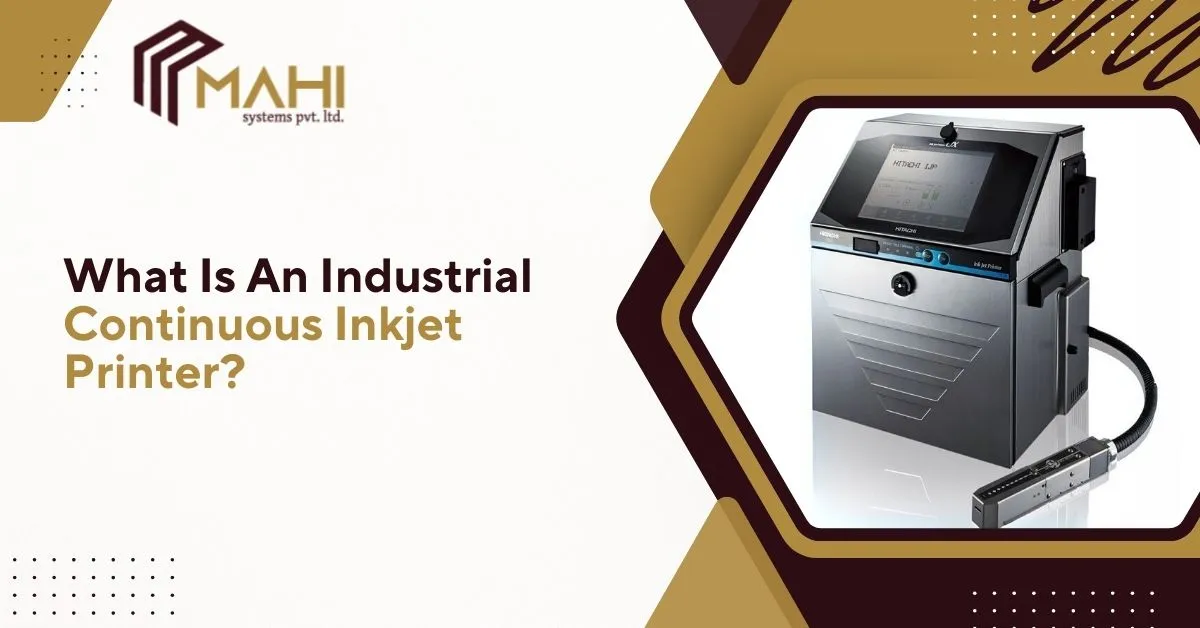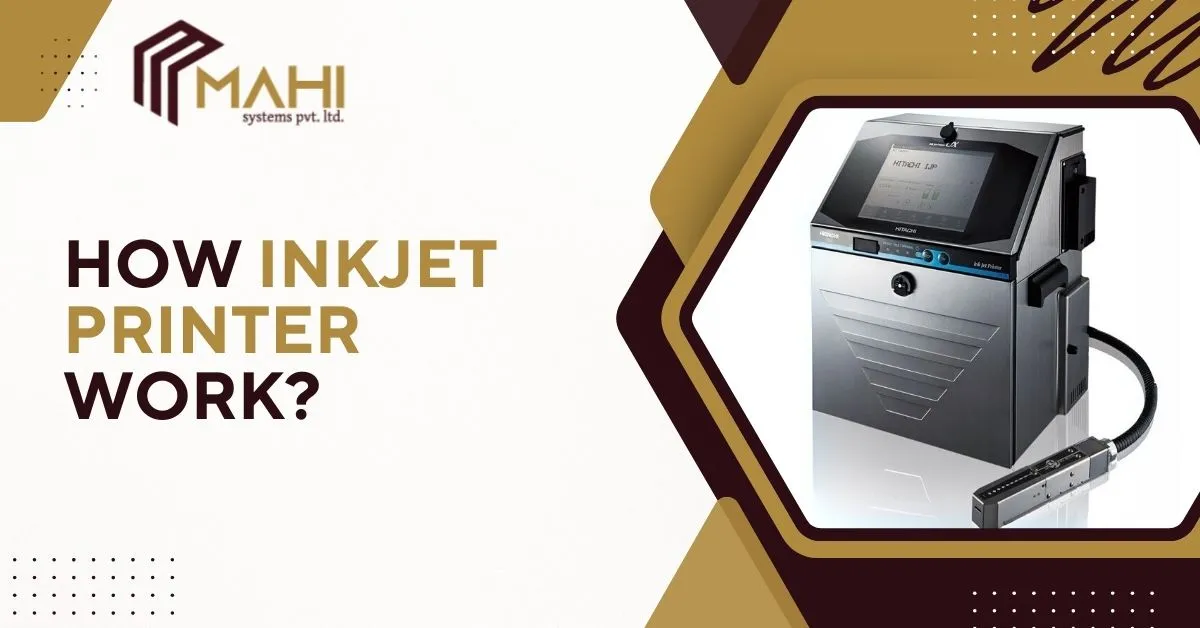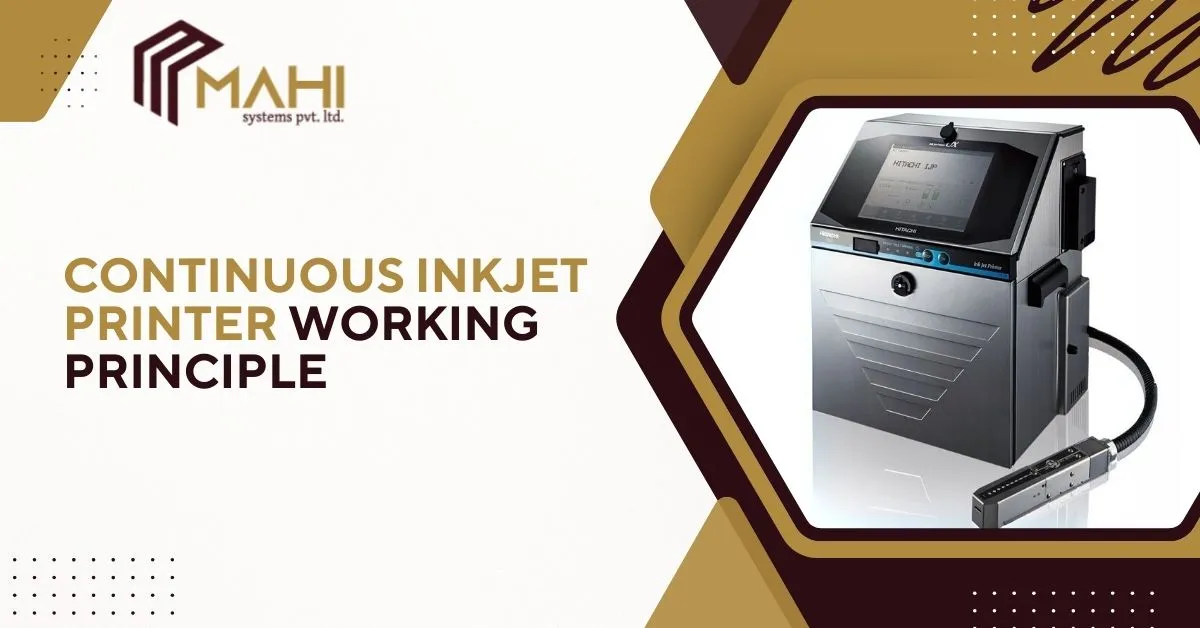
Industrial product identification is critical for traceability, compliance, and brand protection. From expiry dates to…
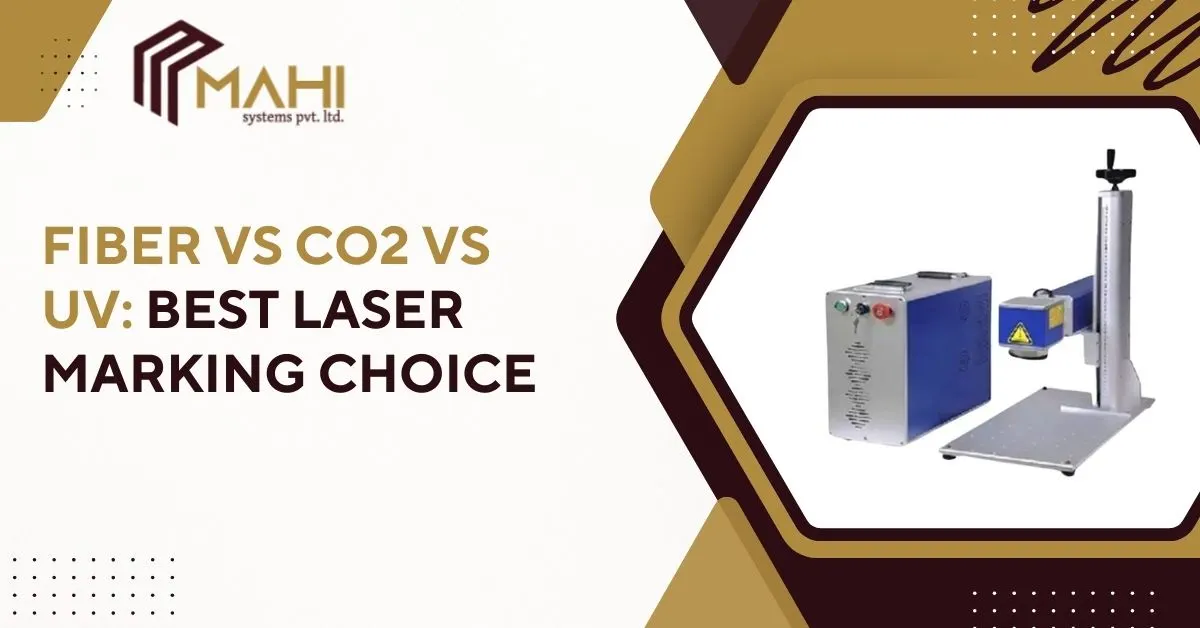
Choosing the right Fiber Laser Marking Machine technology is essential for achieving the best quality, speed, and material compatibility in modern manufacturing. With Fiber, CO2, and UV lasers dominating the marking industry, understanding their differences helps industries make the right investment. This guide breaks down each technology so you can determine which laser marking machine suits your application best.
Understanding Fiber Laser Technology
A Fiber Laser Marking Machine is the most widely used laser system for marking metals, hard plastics, electronic components, and industrial tools. Fiber lasers create extremely fine, permanent marks with high contrast and exceptional durability. Popular models like Fiber ON FLY FJ 20 and Fiber ON FLY FJ 30 support high-speed on-the-fly production marking, making them ideal for packaging lines, cable industries, automotive parts, and FMCG applications.
Understanding CO2 Laser Technology
A Fiber Laser Marking Machine differs significantly from CO2 lasers, which operate at a 10,600 nm wavelength. CO2 lasers are best suited for organic and non-metal materials like wood, leather, acrylic, paper, rubber, fabrics, and glass. They deliver clean, precise marks without burning or damaging delicate materials.
While CO2 lasers cannot effectively mark metals without additives, they excel in packaging, signage, textile, and non-metal industrial applications. CO2 laser marking is preferred when working with soft materials that require smooth and aesthetic marking.
Understanding UV Laser Technology
A Fiber Laser Marking Machine is not always ideal for heat-sensitive materials. This is where UV laser technology excels. UV lasers (355 nm wavelength) generate a cold beam that marks without generating heat, making them perfect for delicate applications. They are widely used in industries like pharmaceuticals, electronics, medical devices, cosmetics, and semiconductor manufacturing. UV lasers create micro-markings on plastics, silicon, glass, and coated materials with ultra-high precision. They prevent burning, melting, and distortion, ensuring clean results even on sensitive components.
Fiber, CO2 & UV Laser Marking
A Fiber Laser Marking Machine delivers the best performance on metals, while CO2 and UV lasers excel in different material categories. To help you understand the differences, here is a:
| Feature / Technology | Fiber Laser | CO2 Laser | UV Laser |
| Best For | Metals, Hard Plastics | Organic Materials | Heat-Sensitive Materials |
| Wavelength | 1064 nm | 10,600 nm | 355 nm |
| Marking Quality | High Precision | Smooth on Organics | Ultra Fine |
| Heat Impact | Medium | Medium | Very Low |
| Industrial Use | Automotive, Tools, Electronics | FMCG, Packaging, Wood | Pharma, Electronics, Medical |
| Cost | Medium | Low–Medium | Medium–High |
| Lifespan | Very Long | Long | Long |
Fiber laser systems like Fiber TT FTJ 20 and Fiber TT FTJ 30 are preferred for permanent metal marking where durability, precision, and fast cycle times are needed.
When to Choose Fiber Laser Marking
A Fiber Laser Marking Machine is the best choice when you need permanent, high-contrast marks on metal or hard plastic. Fiber lasers excel in environments that require:
- High-speed production marking
- Deep engraving
- Permanent serial numbers & QR codes
- Metal and alloy marking
- Low maintenance and long lifespan
Systems like the ON-FLY FJ series and TT FTJ series offer inline marking, high stability, and continuous production performance.
When to Choose CO2 Laser Marking
A Fiber Laser Marking Machine cannot replace CO2 lasers when the material is organic or non-metallic. Choose CO2 laser marking when working with:
- Wood, leather, fabrics
- Paper, cardboard, labels
- Acrylic, glass, plastic films
- Packaging and signage
CO2 lasers produce clean, smoke-free, aesthetically pleasing marks, making them ideal for FMCG and retail use.
Want help choosing the best laser marking technology for your production line?
Reach out today and contact us for expert guidance.
When to Choose UV Laser Marking
A Fiber Laser Marking Machine may generate heat, making it unsuitable for certain materials. UV lasers become the ideal choice when:
- Marking medical or pharmaceutical components
- Working with microchips, semiconductors, PCBs
- Marking transparent or translucent plastics
- Creating micro-markings without heat damage
UV marking ensures precise codes and logos without altering material structure.
Frequently Asked Questions
Fiber laser is the best choice because it delivers deep, permanent, and high-contrast marks on all metal types.
Not directly. CO2 lasers struggle on metals unless additives or coatings are applied.
UV lasers provide cold marking, ideal for heat-sensitive plastics and delicate electronic components.
Yes, fiber lasers are the fastest and most durable option for industrial environments.
Fiber lasers offer the lowest long-term cost thanks to minimal maintenance and zero consumables.
Conclusion
Choosing the best laser marking technology depends entirely on your material, application, and production speed needs. A Fiber Laser Marking Machine remains the most versatile and efficient choice for metals, plastics, industrial components, and high-speed manufacturing lines. Advanced models such as Fiber ON FLY FJ 20, Fiber ON FLY FJ 30, Fiber TT FTJ 20, and Fiber TT FTJ 30 provide powerful solutions for high-speed, permanent traceability, deep engraving, branding, and automated inline marking systems. These machines deliver exceptional clarity, long-lasting marks, and superior efficiency—making them the top choice for industries seeking reliable, long-term marking technology.
Related Posts