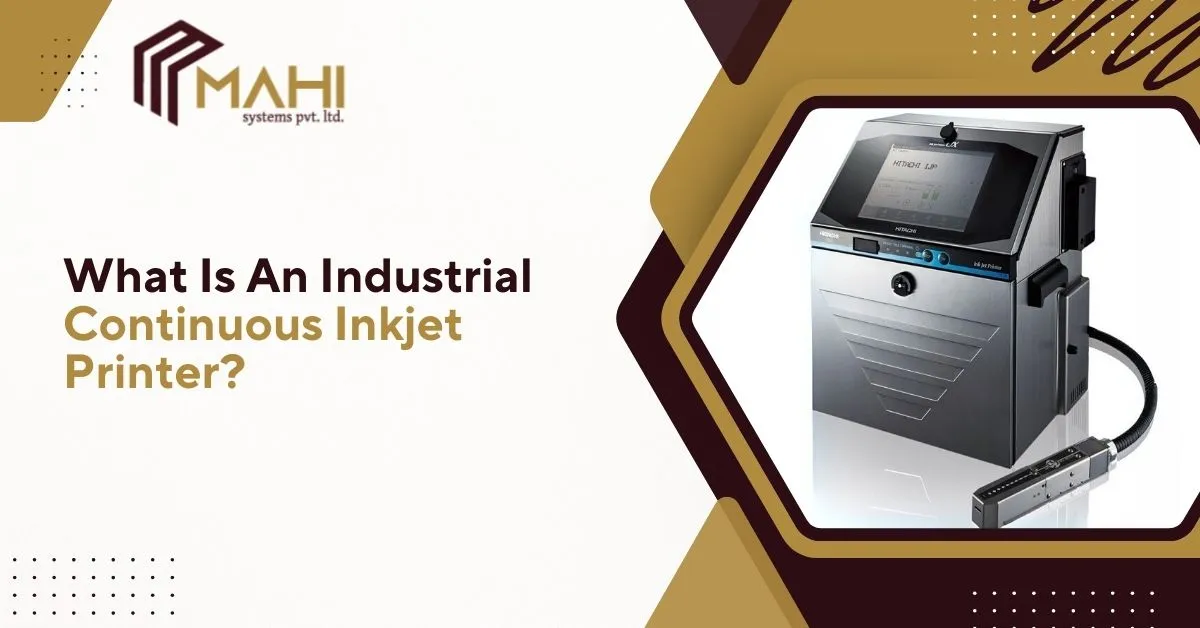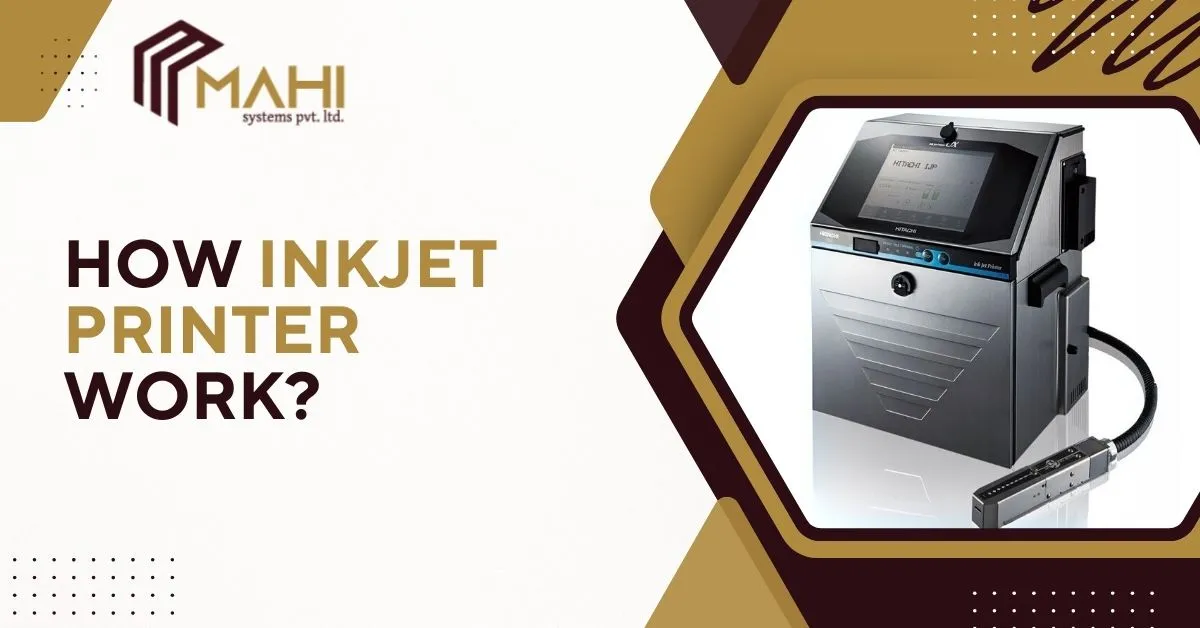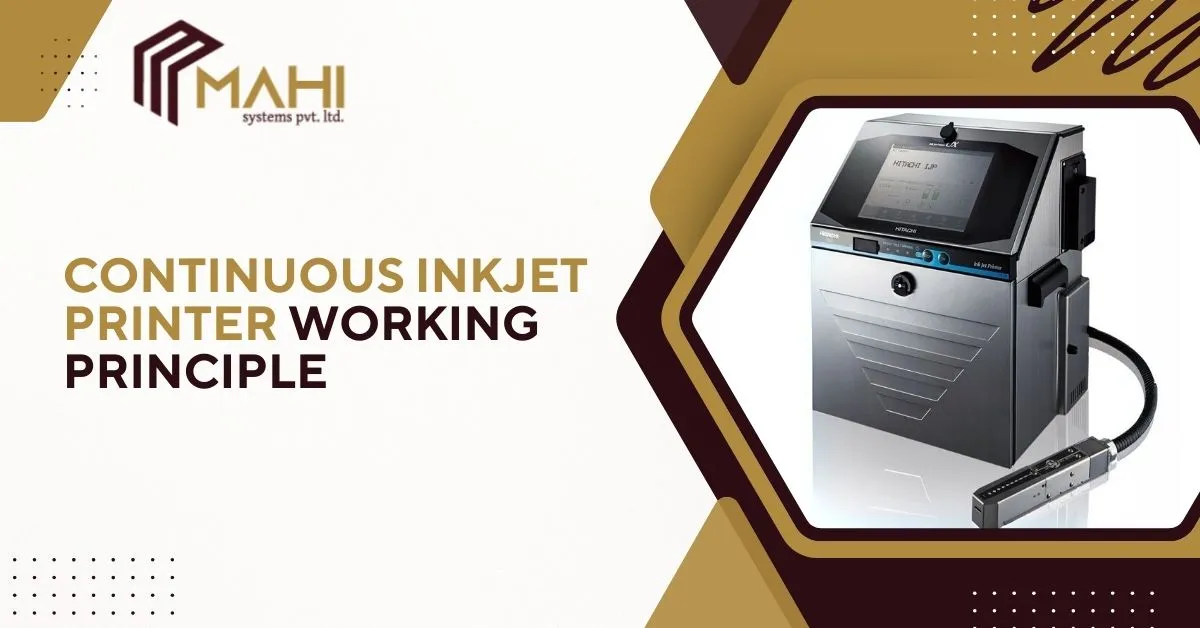
Industrial product identification is critical for traceability, compliance, and brand protection. From expiry dates to…
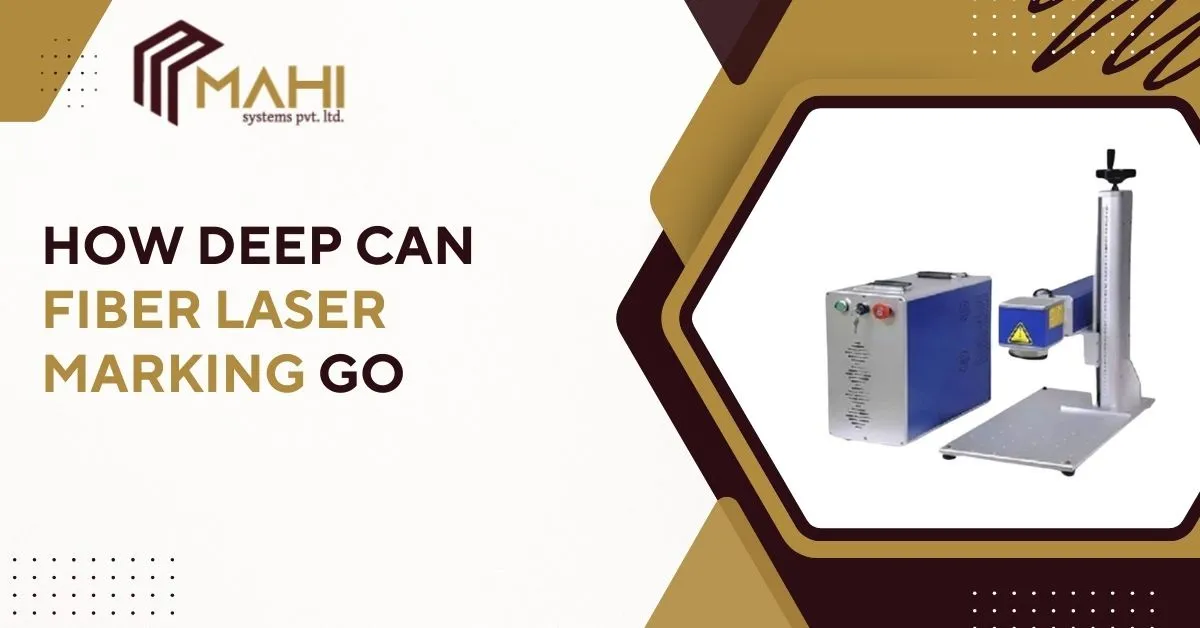
Depth marking has become a crucial requirement in industries that need long-lasting, readable, and durable engravings. A Fiber Laser Marking Machine is widely known for delivering high-precision engraving and deep, permanent marks on metals and industrial materials. But how deep can a fiber laser actually go? This blog explains marking depth, influencing factors, applications, and how to select the right laser for deep engraving.
What Does Deep Marking Mean?
A Fiber Laser Marking Machine performs deep marking when the laser removes multiple layers of material to create a visibly engraved indentation. Deep engraving is typically measured in microns (µm) or millimeters (mm), depending on industry needs. While standard marking creates surface-level contrast, deep marking produces physically carved marks that remain readable even after painting, coating, polishing, or wear.
Industries such as automotive, heavy engineering, mold manufacturing, aerospace, tool production, and metal fabrication depend heavily on deep, permanent engraving for identification, durability, and compliance.
How Deep Can a Fiber Laser Mark?
A Fiber Laser Marking Machine can generally achieve engraving depths between 0.1 mm to 1.0 mm, depending on several factors like power, frequency, material type, and marking cycles. In some cases—especially with high-power lasers such as 100W, 200W, or MOPA systems—depth can exceed 1.5 mm, making them ideal for die marking or tool engravings.
Typical depth ranges:
| Laser Power | Expected Deep Marking Depth |
| 20W Fiber Laser | 0.05 – 0.2 mm |
| 30W Fiber Laser | 0.1 – 0.3 mm |
| 50W Fiber Laser | 0.2 – 0.7 mm |
| 100W Fiber Laser | 0.5 – 1.0+ mm |
| MOPA Fiber Laser | Variable depth with smoother finish |
Depth increases with more passes, correct settings, and proper focus.
Key Factors That Affect Marking Depth
A Fiber Laser Marking Machine delivers different engraving results depending on multiple parameters. The factors below determine how deep marking can go:
- Laser Power (Wattage): Higher wattage increases speed, heat energy, and penetration. 20W is suitable for light engraving; 50W–100W handles deeper applications.
- Material Type: Metals like stainless steel, aluminum, brass, titanium, and hardened steel respond differently. Softer metals allow deeper engraving in fewer passes.
- Marking Speed: Slower speeds allow more heat absorption and deeper penetration.
- Number of Passes: Multiple cycles remove more material, enabling deep engraving without damaging the material.
- Beam Quality: Higher beam quality ensures sharp, clean, deep marks.
- Focus Adjustment: Correct focal distance enhances engraving efficiency and depth consistency.
Deep Engraving Applications in Industry
Industries rely on a Fiber Laser Marking Machine for deep marking to ensure durability and regulatory compliance.
Common Use Cases:
- Automotive components (engine blocks, gears, metal housings)
- Tool and die engravings (mold cavities, punches, cutting tools)
- Aerospace parts (serials, UID, traceability)
- Jewelry & luxury goods (deep engraving for branding)
- Industrial machinery parts (permanent IDs, barcodes, QR codes)
- Nameplates & metal tags (high-res, long-lasting engraving)
Deep marks withstand heat, friction, polishing, repainting, and abrasive wear.
Deep Marking vs Surface Marking
| Feature | Surface Marking | Deep Marking |
| Mark Depth | < 0.1 mm | 0.1 mm – 1.0+ mm |
| Durability | Moderate | Extremely High |
| Wear Resistance | Low | High |
| Suitable For | Electronics, plastics | Metal, molds, tools |
| Purpose | Identification | Permanence & durability |
How to Achieve the Deepest Marking Results
To maximize marking depth with a Fiber Laser Marking Machine, follow these professional guidelines:
- Choose higher wattages (50W–100W+ preferred)
- Use slower marking speeds
- Increase the number of engraving passes
- Optimize frequency & pulse settings
- Maintain consistent focal alignment
- Use rotary attachments for cylindrical parts
- Prefer MOPA lasers for smoother deep engraving
These adjustments allow the laser to penetrate deeper without compromising clarity.
Want to upgrade your marking quality with advanced laser technology?
Get personalized recommendations when you contact us anytime.
Which Machine Is Best for Deep Engraving?
For deep marking, choosing the right Fiber Laser Marking Machine is essential. Below are ideal machines depending on project requirements:
- 20W Fiber Laser – Basic engraving, light-depth markings
- 30W Fiber Laser – Moderate depth + clean marking
- 50W Fiber Laser – Industrial deep engraving for metals
- 100W Fiber Laser – Heavy-duty engraving, molds, tools
- MOPA Lasers – High contrast + deeper marking with fine control
For industries that require high-depth accuracy and durability, 50W+ systems are recommended.
Frequently Asked Questions
Typically 0.1 mm to 1.0+ mm depending on power, passes, and material type.
50W to 100W lasers are ideal for deep engraving on metals.
Yes, a Fiber Laser Marking Machine can engrave hardened steel with multiple passes.
Yes—soft metals engrave deeper, while harder metals require more laser passes.
Absolutely. They are versatile and can perform shallow or deep marking with parameter adjustments.
Conclusion
A Fiber Laser Marking Machine can deliver deep, durable, and high-precision markings essential for modern manufacturing. Depending on power, settings, and material type, fiber lasers can engrave from 0.1 mm to 1.0+ mm, making them perfect for automotive parts, molds, tools, aerospace components, and industrial applications. Deep engraving enhances product life, ensures compliance, improves traceability, and delivers results that withstand the test of time. If you need long-lasting, highly readable engravings, fiber laser marking is the best choice.
Related Posts