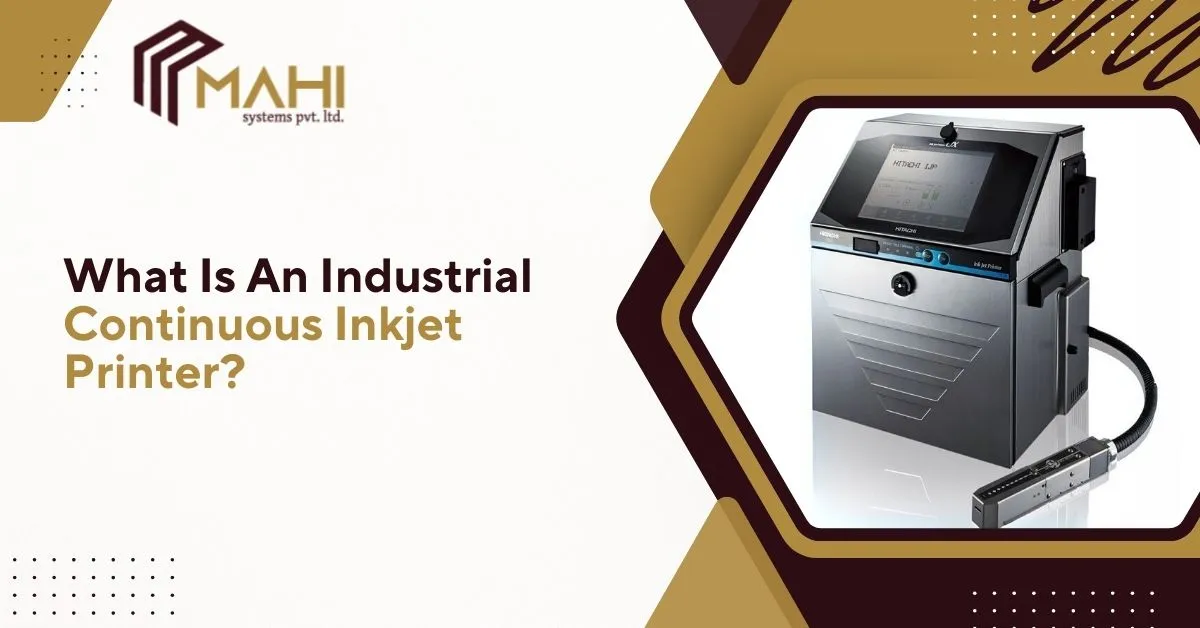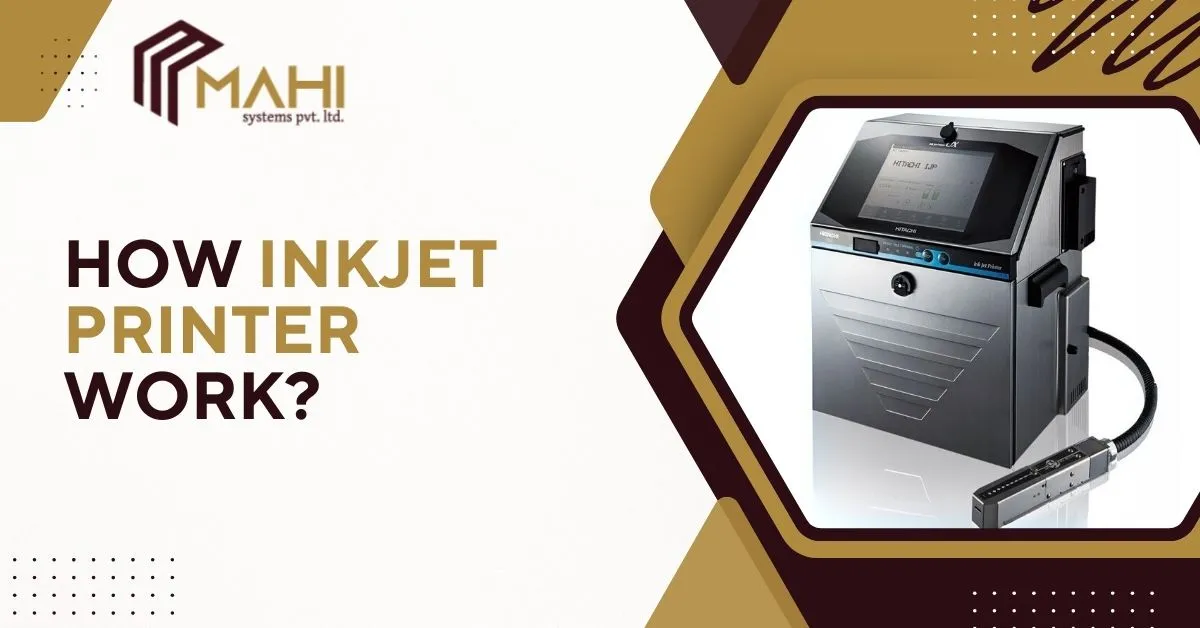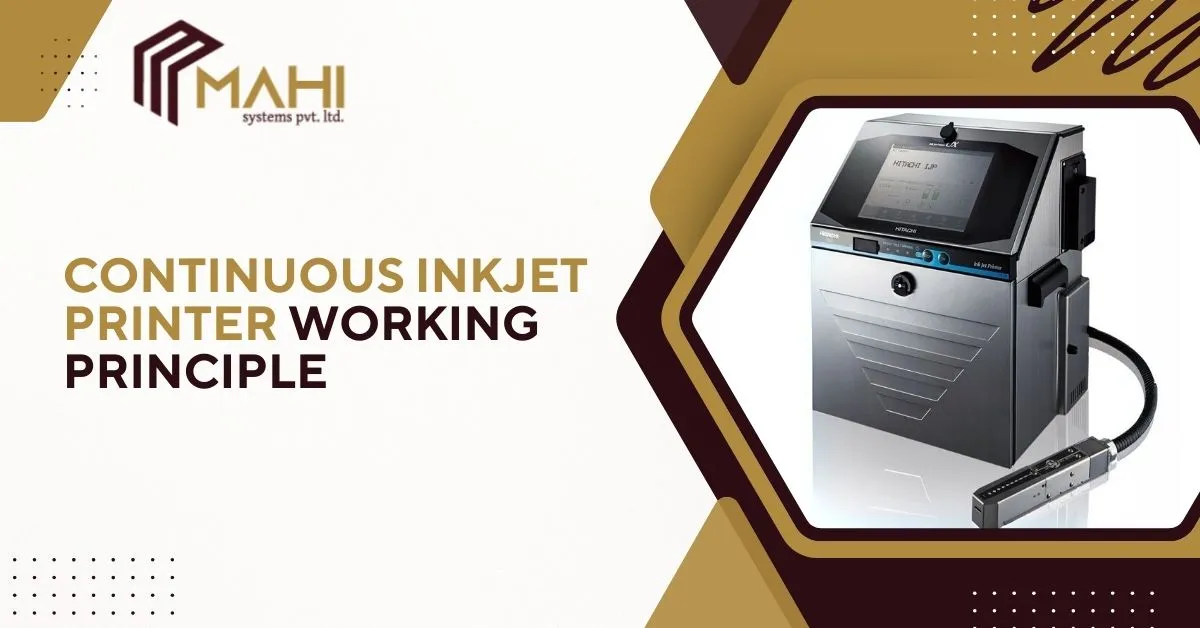
Industrial product identification is critical for traceability, compliance, and brand protection. From expiry dates to…
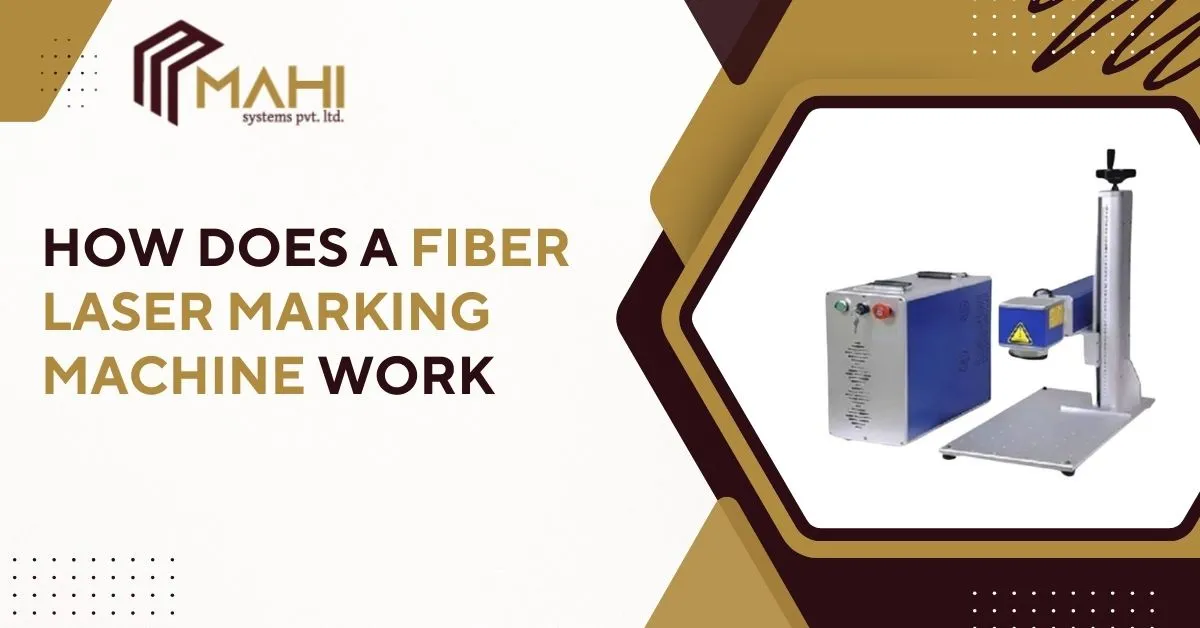
Industrial manufacturers rely on permanent and precise marking for branding and traceability, and a Fiber Laser Marking Machine plays a critical role in achieving this accuracy. By focusing a high-intensity laser beam onto the surface of metals or selected plastics, the machine alters the material structure to create text, logos, barcodes, serial numbers, or QR codes. Because a Fiber Laser Marking Machine works without physical contact or ink, it delivers durable, maintenance-free marking ideal for modern production environments.
What Is It and Why Is It Used?
A Fiber Laser Marking Machine is an advanced laser system that uses fiber-optic technology to generate a concentrated laser beam for permanent marking. Industries prefer this technology because a Fiber Laser Marking Machine offers high marking speed, excellent contrast, long service life, and low operating costs without consumables like ink or chemicals. Automotive, electronics, medical devices, tools, packaging, and metal fabrication industries widely use fiber laser marking for its consistency and reliability.
Core Components Explained
The performance of a Fiber Laser Marking Machine depends on multiple precision components working together. At the heart of the system, the laser source generates a stable beam that travels through fiber optics, while the galvo scanner rapidly directs the beam with extreme accuracy. A focusing lens concentrates the energy on the surface, and advanced software controls power, speed, and marking patterns. With proper cooling support, a Fiber Laser Marking Machine ensures consistent output and long-term operational stability.
Step-by-Step Working Process
The marking process inside a Fiber Laser Marking Machine is efficient and highly controlled. First, the laser source generates a high-energy beam that travels through fiber cables to the scanning head. Galvo mirrors then guide the beam precisely according to the programmed design. As the focused beam strikes the material, the Fiber Laser Marking Machine uses controlled heat to engrave, etch, anneal, or create surface changes without damaging surrounding areas.
Marking Methods
| Marking Method | How It Works | Marking Depth | Best Use Case |
| Engraving | Removes material using high laser power | Deep | Permanent part identification |
| Etching | Creates shallow surface marks | Medium | Logos, text, branding |
| Annealing | Changes material color without removal | Surface | Medical & food-grade parts |
| Color Marking (MOPA) | Alters pulse width for oxide colors | Surface | Stainless steel & titanium |
Types of Marking Methods
A Fiber Laser Marking Machine supports multiple marking techniques depending on power settings and application needs. Deep engraving removes material for permanent identification, while etching creates shallow surface marks. Annealing produces dark, high-contrast marks without material removal, and with MOPA technology, a Fiber Laser Marking Machine can also achieve color marking on stainless steel and titanium. These flexible methods allow manufacturers to meet diverse marking requirements.
Materials That Can Be Marked
One major advantage of a Fiber Laser Marking Machine is its compatibility with a wide range of materials. Metals such as stainless steel, mild steel, aluminum, brass, copper, and titanium respond exceptionally well to fiber laser marking. With optimized settings, a Fiber Laser Marking Machine can also mark certain hard plastics like ABS, PVC, and nylon, making it suitable for multiple industrial sectors.
Advantages Over Other Marking Technologies
Compared to inkjet, dot-peen, and CO₂ systems, a Fiber Laser Marking Machine offers unmatched advantages. The marking is permanent, tamper-proof, and resistant to wear, chemicals, and heat. Since a Fiber Laser Marking Machine does not require ink or solvents, maintenance costs remain low while productivity stays high. Its eco-friendly operation further supports sustainable manufacturing goals.
Looking to upgrade your industrial marking process with precision and speed?
Contact us today to explore the right fiber laser marking solution for your needs.
Power Ratings and Their Impact
Selecting the right power level is essential when using a Fiber Laser Marking Machine. Lower power options like 20W–30W are ideal for standard marking, barcodes, and logos, while 50W models support deeper engraving and faster speeds. For heavy industrial engraving, higher-power systems are used. Matching application needs with the correct Fiber Laser Marking Machine power ensures efficiency and energy optimization.
Industrial Applications
Across industries, a Fiber Laser Marking Machine is widely used for branding, serial numbering, barcode and QR code marking, UID compliance, and traceability. Manufacturers rely on fiber laser technology to maintain consistent identification throughout production cycles. With its precision and reliability, a Fiber Laser Marking Machine has become a core component of Industry 4.0 and smart factory environments.
Integration with Automation
Modern production lines benefit greatly when a Fiber Laser Marking Machine is integrated with conveyors, robotics, and automation systems. Automated laser marking improves throughput, reduces human error, and enables real-time data tracking. By combining automation with a Fiber Laser Marking Machine, manufacturers achieve faster operations and seamless digital traceability.
Frequently Asked Questions
A Fiber Laser Marking Machine uses a focused laser beam to permanently mark materials by altering their surface structure.
A Fiber Laser Marking Machine can mark metals like steel, aluminum, copper, and selected plastics.
Yes, markings created by a Fiber Laser Marking Machine are permanent, wear-resistant, and tamper-proof.
No, a Fiber Laser Marking Machine operates without ink or consumables, reducing maintenance costs.
Most Fiber Laser Marking Machine laser sources last over 100,000 working hours with minimal maintenance.
Conclusion
A Fiber Laser Marking Machine works by delivering a precisely controlled laser beam that permanently alters material surfaces with exceptional accuracy and speed. Its advanced fiber-optic technology, low operating cost, and versatility make it one of the most efficient industrial marking solutions available today. Understanding how a Fiber Laser Marking Machine works helps manufacturers select the right system, optimize production, and maintain consistent, high-quality marking results.
Related Posts