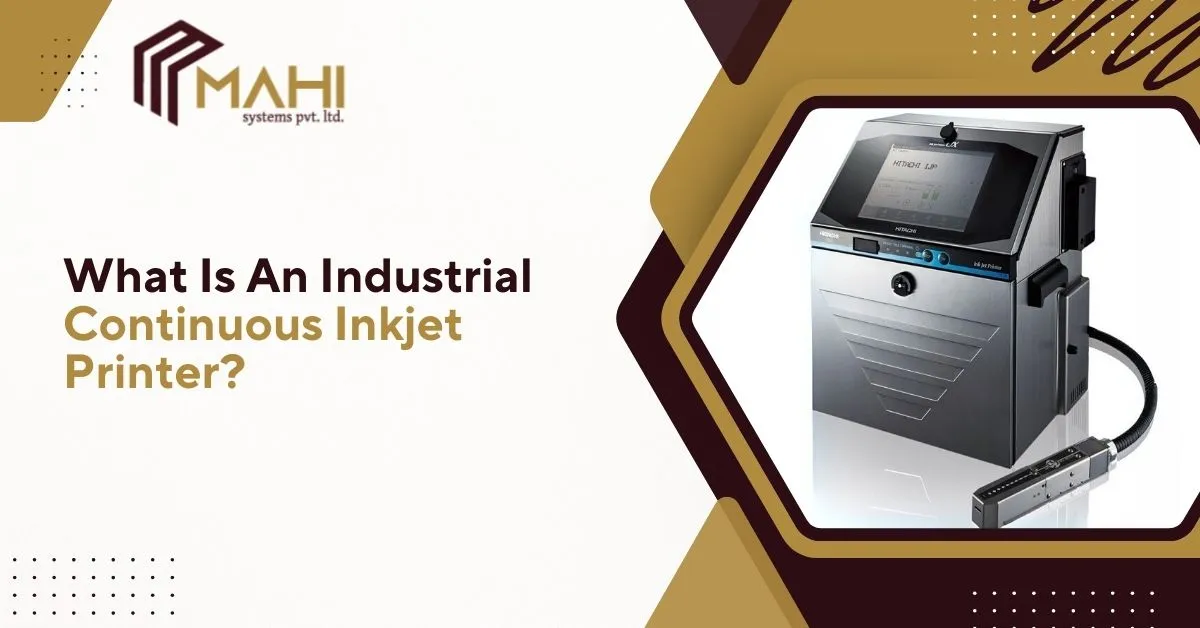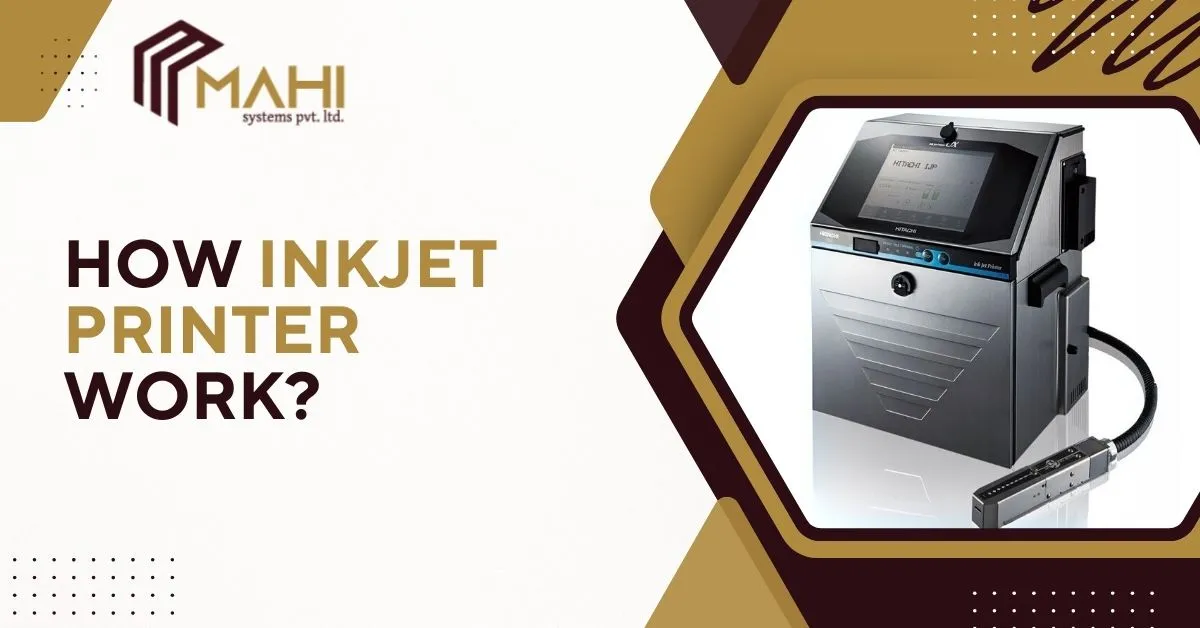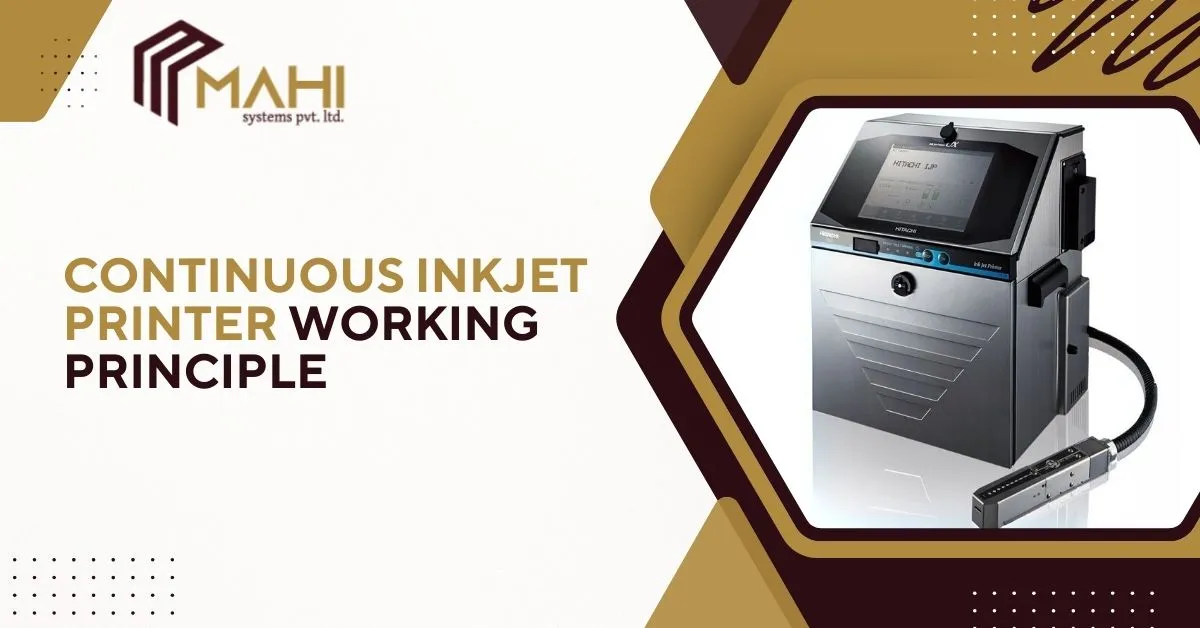
Industrial product identification is critical for traceability, compliance, and brand protection. From expiry dates to…

In today’s advanced manufacturing world, fiber laser marking machines have become indispensable tools for high-precision, permanent, and efficient product identification. From automotive to aerospace, these machines help industries ensure traceability, quality assurance, and brand protection — all while maintaining eco-friendly operations.
What is a Fiber Laser Marking Machine?
These machines work by directing a high-energy laser beam through optical fibers doped with rare-earth elements, producing a concentrated light that interacts with the material surface. The result is a clear, permanent mark — achieved without inks, chemicals, or contact.
Compared with CO₂ and UV lasers, fiber lasers marking machines deliver deeper penetration and better performance on metals, alloys, and certain plastics. Variants like MOPA fiber lasers provide even more flexibility by adjusting pulse duration for high-contrast color marking.
Key Points:
- Works best for metals and coated materials
- Offers faster marking speed and minimal maintenance
- Ideal for micro-marking and deep engraving
Major Industrial Uses of Fiber Laser Marking Machines
The Fiber laser marking machines are now widely used across multiple industries for efficient, permanent, and traceable markings on different components.
Automotive Manufacturing
In the automotive sector, fiber lasers mark VIN codes, part numbers, logos, and barcodes on metal and plastic components. Their durability ensures the marks remain readable under extreme heat, oil exposure, and vibration.
Electronics and Semiconductors
Electronics manufacturers use fiber lasers for marking PCBs, resistors, capacitors, ICs, and other micro-components. The non-contact process ensures delicate parts remain intact while maintaining clarity even on small surfaces.
Medical Device Industry
In medical manufacturing, fiber lasers create UDI-compliant and sterile markings on surgical tools, implants, and stainless-steel instruments. These marks are corrosion-resistant and biocompatible, meeting strict regulatory standards.
Aerospace and Defense
The aerospace industry depends on laser marking for part traceability, serial codes, and quality certifications. Marks must endure extreme environments — fiber lasers provide the permanence and precision required for such demanding conditions.
Ready to enhance your production efficiency with advanced laser technology?
Contact us today to discover the perfect fiber laser marking machine for your industrial needs.
Jewellery and Luxury Goods
For luxury items, fiber lasers deliver fine engraving on gold, silver, and platinum surfaces without compromising finish quality. They’re also ideal for anti-counterfeit identification and personalized designs.
Industrial Tools and Machinery
Tool manufacturers use fiber lasers for marking serial numbers, dimensions, and maintenance information on hard metals and alloys. This helps streamline asset tracking and ensure authenticity.
Benefits of Fiber Laser Marking Machines
Using fiber laser marking technology provides industries with precision, speed, and cost savings, making it a preferred choice for modern manufacturing.
| Feature | Advantage | SEO Keyword |
| Non-contact Process | No physical wear or surface damage | non-contact laser marking |
| High Marking Speed | Increases productivity & reduces cycle time | high-speed laser marking |
| Long-lasting Marks | Resistant to heat, corrosion & abrasion | permanent laser engraving |
| Versatile Material Support | Suitable for metals, plastics, ceramics & coatings | multi-material laser marking |
| Low Maintenance | Minimal consumables & long operational life | cost-effective marking |
| Eco-Friendly | Chemical-free, energy-efficient process | green laser marking technology |
Factors to Consider Before Buying a Fiber Laser Marking Machine
Before investing in a fiber laser marking machine, consider key factors like power, precision, and software compatibility to ensure best results.
1. Laser Power & Speed: Choose wattage (20W–100W) based on marking depth and material hardness.
2. Material Type: Check compatibility with metals, coated materials, or plastics.
3. Pulse Technology: Opt for MOPA if you need flexible contrast and color marking.
4. Marking Field Size: Match the lens and area with your production needs.
5. Software Integration: Ensure support for EZCAD, LightBurn, or automation systems.
6. Maintenance & Warranty: Look for long-lifespan lasers (50,000–100,000 hours).
Future Trends in Fiber Laser Marking Technology
The future of fiber laser marking is moving toward smart, automated, and AI-driven solutions for industrial traceability.
- Automation & Robotics: Integrated robotic arms enhance consistency and speed.
- AI & Machine Vision: Real-time quality inspection using smart sensors.
- IoT Connectivity: Remote monitoring and predictive maintenance capabilities.
- 3D & Color Marking: MOPA and ultrafast lasers enable vibrant color engraving.
- Sustainability: Energy-efficient designs reduce waste and carbon footprint.
Laser Technology
| Laser Type | Best Suited For | Advantages | Limitations |
| Fiber Laser | Metals, alloys, coated surfaces | Fast, permanent, low maintenance | Limited on non-metal materials |
| CO₂ Laser | Wood, leather, glass, acrylic | Excellent for organic materials | Not ideal for bare metals |
| UV Laser | Plastics, glass, sensitive parts | High precision, low heat effect | Slower, more expensive |
Frequently Asked Questions
Industries such as automotive, aerospace, medical, electronics, and jewelry manufacturing rely on fiber lasers for permanent, traceable, and high-quality markings.
They work effectively on metals like steel, aluminum, copper, and titanium, as well as coated plastics, ceramics, and anodized materials.
Yes, fiber laser marks are extremely durable and resistant to environmental and mechanical stress, ensuring long-lasting identification.
Most fiber lasers last between 80,000 to 100,000 hours, offering long-term performance with minimal maintenance.
They require no inks or chemicals, produce no waste, and consume less energy, making them a sustainable marking solution.
Conclusion
The Fiber laser marking machines are reshaping how industries manage identification, traceability, and branding. Their precision, longevity, and versatility make them an essential investment for companies aiming to improve productivity and quality assurance. Incorporating this technology ensures your business stays competitive, compliant, and ready for the future of smart manufacturing.
Related Posts