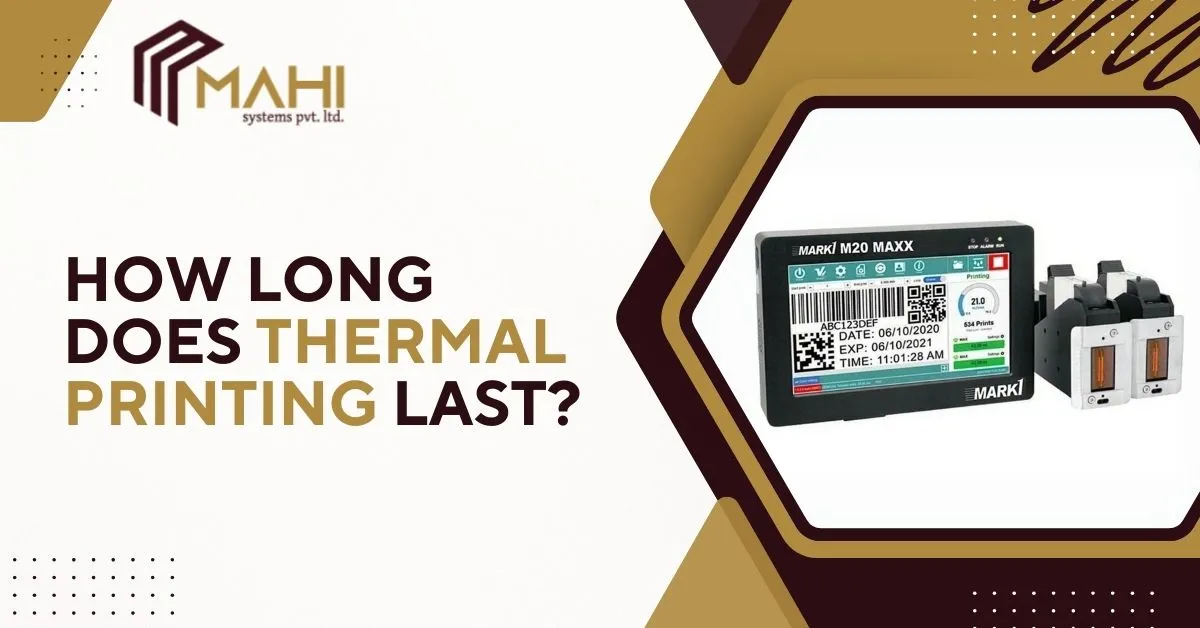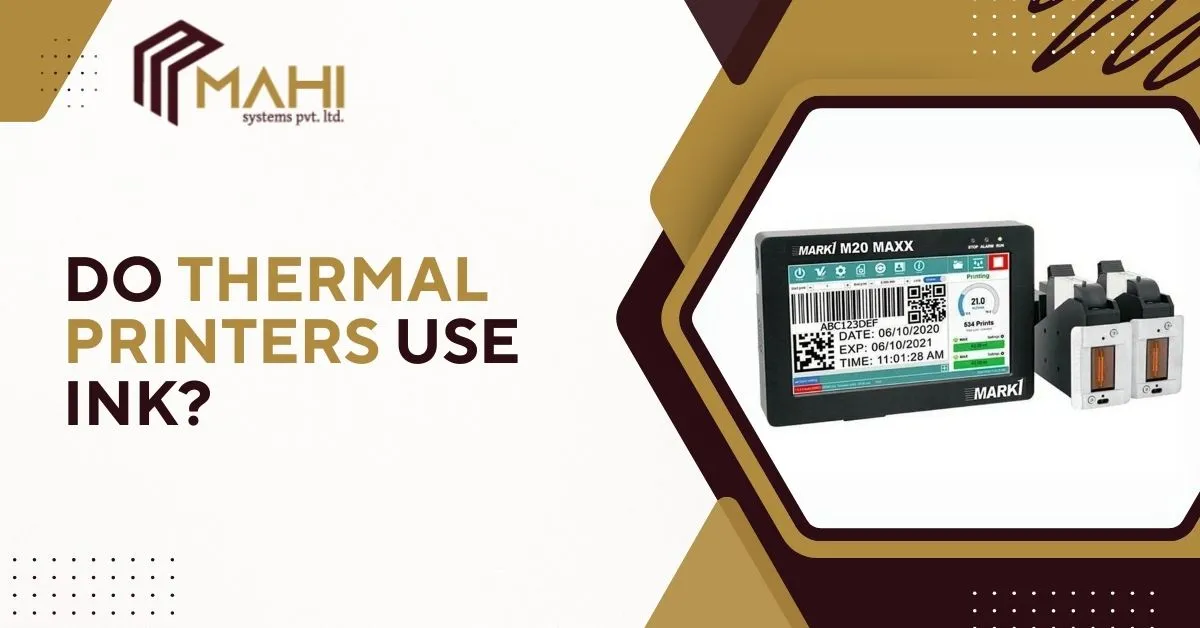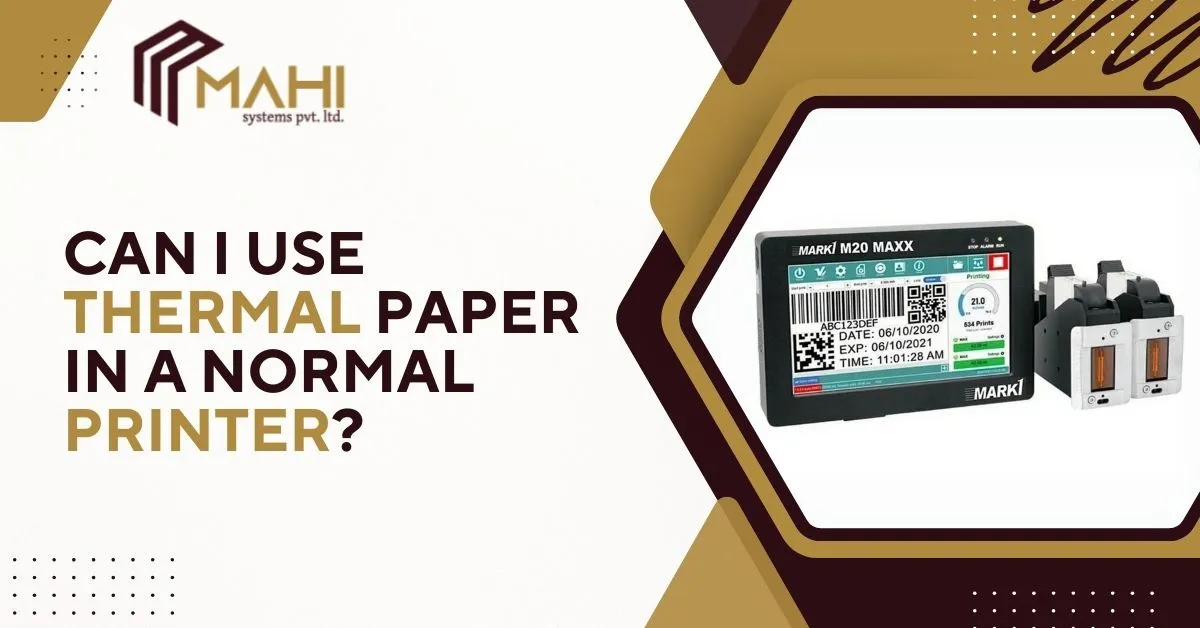
The lifespan of thermal printing depends on the type of thermal method used. With direct…
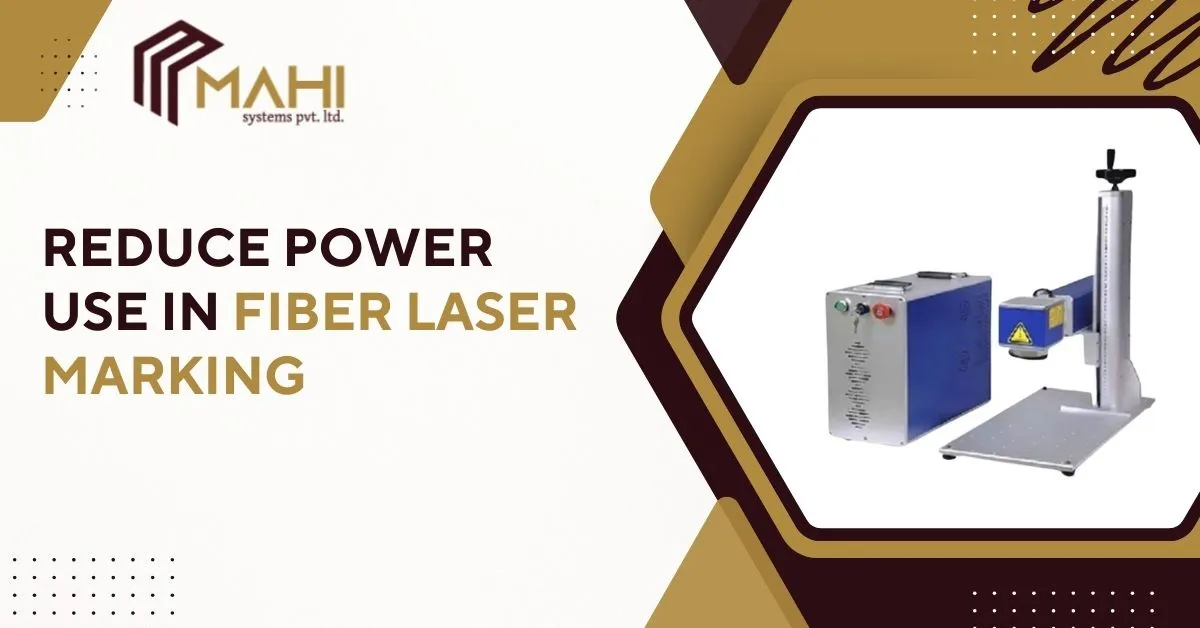
Energy efficiency is becoming a top priority for modern manufacturers aiming to cut costs and meet sustainability goals. A Fiber Laser Marking Machine is already known for lower energy consumption compared to traditional marking methods, but with the right practices, power usage can be reduced even further. Optimizing power settings, machine configuration, and operating habits can significantly lower electricity costs while maintaining excellent marking quality.
Why Reducing Power Consumption Matters
Reducing energy usage is not only about saving money but also about improving long-term machine performance. In daily industrial operations, a Fiber Laser Marking Machine consumes power during laser generation, cooling, control systems, and idle operation. When power usage is optimized, industries benefit from lower operational costs, reduced heat stress on components, and longer laser source life. Energy-efficient laser marking also supports environmental compliance and sustainable manufacturing initiatives.
How Power Is Consumed During Laser Marking
Understanding where energy is used helps identify opportunities for optimization. During operation, a Fiber Laser Marking Machine draws power for the laser source, galvo scanner, controller, cooling fans or chillers, and standby systems. Although fiber lasers are more efficient than CO₂ or lamp-based lasers, unnecessary power loss can occur due to improper settings, poor cooling management, or excessive idle time. Identifying these factors allows manufacturers to control power consumption more effectively.
Optimize Laser Power Settings
One of the simplest ways to reduce energy use is adjusting laser power correctly. Many users operate a Fiber Laser Marking Machine at higher wattage than required for the application. For light marking, QR codes, or surface annealing, lower power levels often deliver the same quality results. Optimizing parameters such as power percentage, frequency, and marking speed reduces unnecessary energy usage while preserving marking clarity and consistency.
Choose the Right Power Rating for Your Application
Selecting the correct laser wattage is crucial for energy efficiency. A Fiber Laser Marking Machine with 20W or 30W power is sufficient for most standard marking applications, while higher wattage should only be used for deep engraving or high-speed production. Oversized laser systems consume more power and generate excess heat, increasing cooling requirements and energy costs. Matching the laser power to the actual marking need ensures optimal performance with minimal energy waste.
Improve Cooling System Efficiency
Cooling systems play a major role in overall power consumption. A Fiber Laser Marking Machine may use air cooling or water cooling depending on its power rating. Keeping filters clean, ensuring proper airflow, and maintaining stable ambient temperatures reduces the load on cooling systems. Efficient cooling not only lowers electricity consumption but also prevents overheating, improving laser stability and extending component lifespan.
Need energy-efficient solutions for your fiber laser marking process?
Get personalized recommendations when you contact us.
Reduce Idle Time and Standby Power Use
Idle machines still consume power, especially in large manufacturing setups. A Fiber Laser Marking Machine left running during breaks or between shifts can waste significant energy over time. Using sleep modes, automatic shutdown features, or smart scheduling reduces unnecessary power draw. Integrating laser markers with production planning systems ensures machines operate only when required, improving overall energy efficiency.
Maintain Optics and Components Regularly
Dirty optics and misaligned components force the laser to work harder to achieve the same marking quality. When lenses, protective glass, or scan heads are contaminated, a Fiber Laser Marking Machine may require higher power settings to compensate. Regular cleaning and maintenance ensure optimal beam delivery, allowing accurate marking at lower power levels and reducing energy consumption.
Use Smart Software and Automation Features
Modern marking software offers advanced energy-saving features. With proper configuration, a Fiber Laser Marking Machine can adjust power dynamically based on material type, marking depth, and speed. Automation and recipe-based marking reduce trial-and-error settings, minimizing wasted energy. Software optimization also ensures consistent results with the lowest possible power usage.
Power Optimization Techniques
| Optimization Method | Power Saving Impact | Additional Benefit |
| Correct power setting | High | Better marking consistency |
| Proper cooling maintenance | Medium | Longer machine life |
| Reduced idle time | High | Lower electricity bills |
| Clean optics & alignment | Medium | Improved marking quality |
| Smart software usage | High | Faster setup & repeatability |
Benefits of Reduced Power Consumption
Lower energy usage delivers multiple advantages beyond cost savings. By operating a Fiber Laser Marking Machine efficiently, manufacturers reduce heat generation, extend laser source life, minimize maintenance frequency, and support eco-friendly production goals. Energy-efficient laser marking improves overall equipment effectiveness (OEE) and helps businesses remain competitive in energy-conscious markets.
Frequently Asked Questions
Lower laser power settings, reduce idle time, maintain optics, and use optimized software parameters.
Yes, higher wattage lasers generally use more power and cooling energy, especially when not required for the application.
Absolutely. Clean optics and aligned components allow marking at lower power, saving energy.
Yes, fiber lasers consume significantly less power and offer higher electrical-to-optical efficiency.
Reducing power use does not reduce marking quality when a Fiber Laser Marking Machine is properly optimized. Correct settings, clean optics, and efficient software ensure sharp, consistent marks while using less energy.
Conclusion
Reducing power use in laser marking is both achievable and highly beneficial. By optimizing settings, choosing the right power rating, maintaining cooling systems, and minimizing idle time, a Fiber Laser Marking Machine can deliver excellent marking quality with significantly lower energy consumption. Smart energy management not only lowers operating costs but also improves machine reliability, sustainability, and long-term performance—making fiber laser marking an even more efficient solution for modern manufacturing.
Related Posts