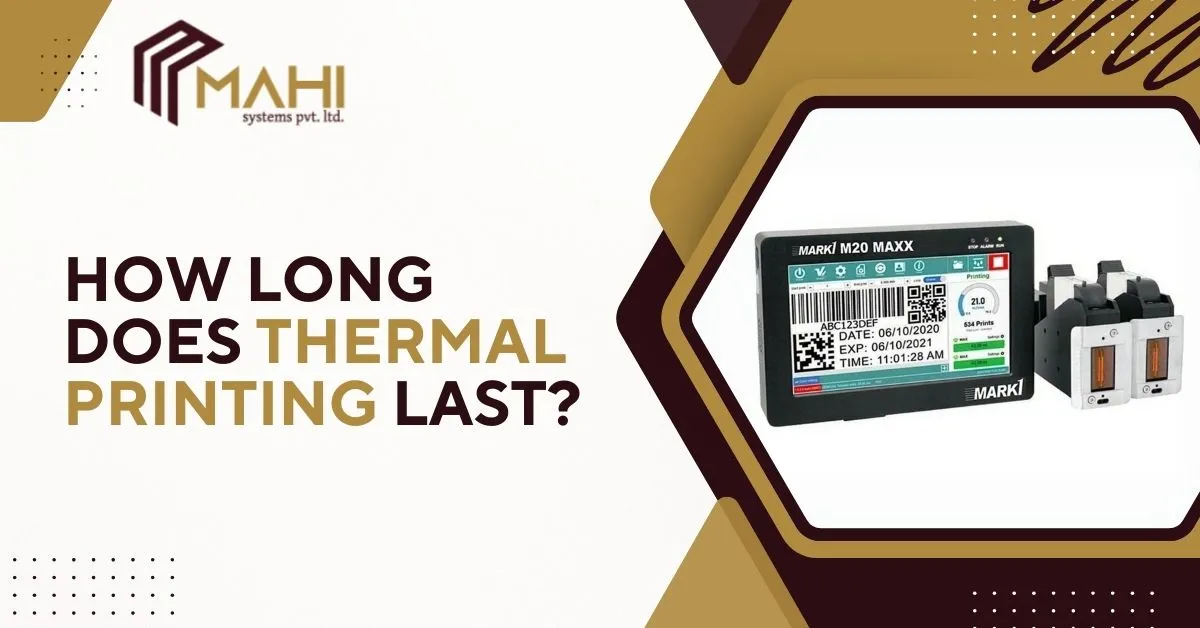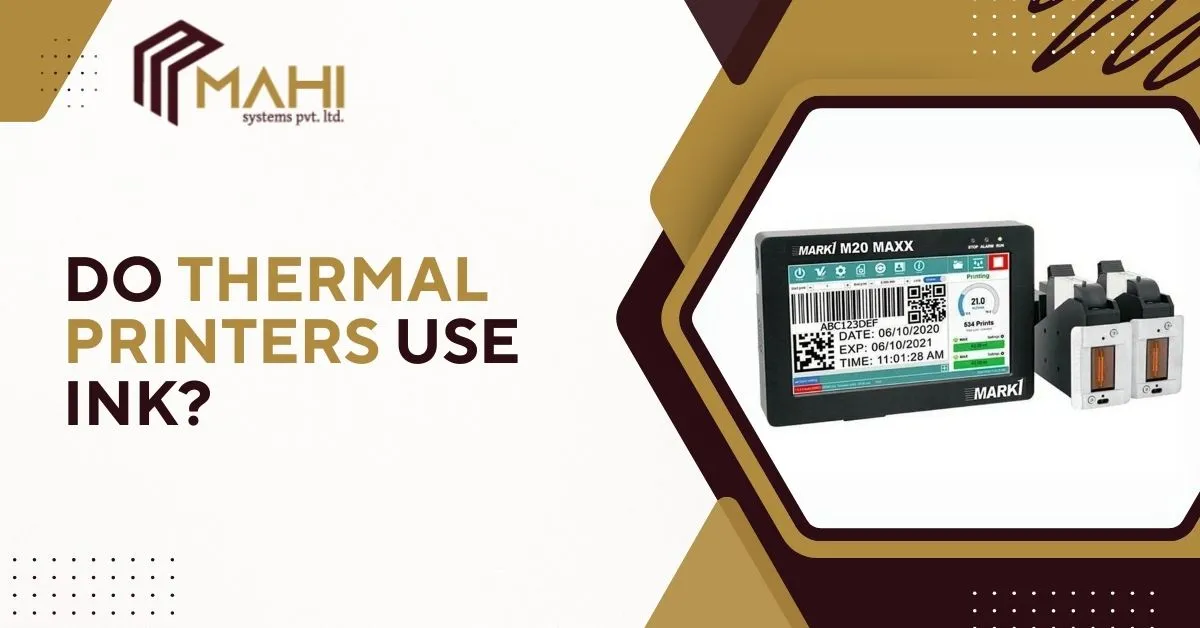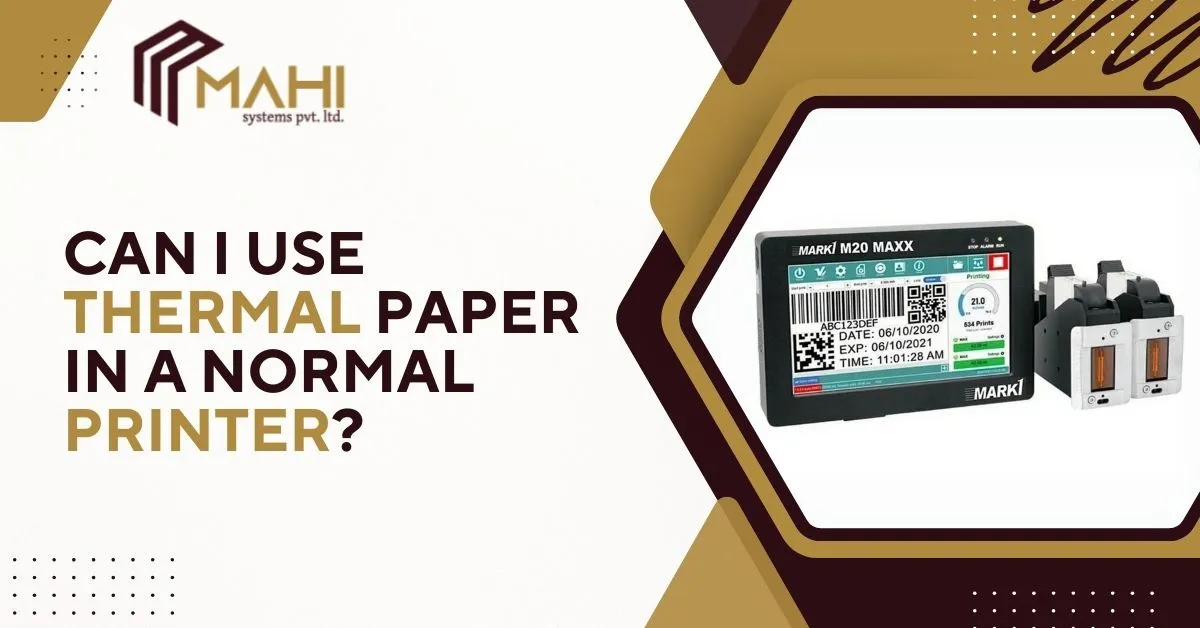
The lifespan of thermal printing depends on the type of thermal method used. With direct…
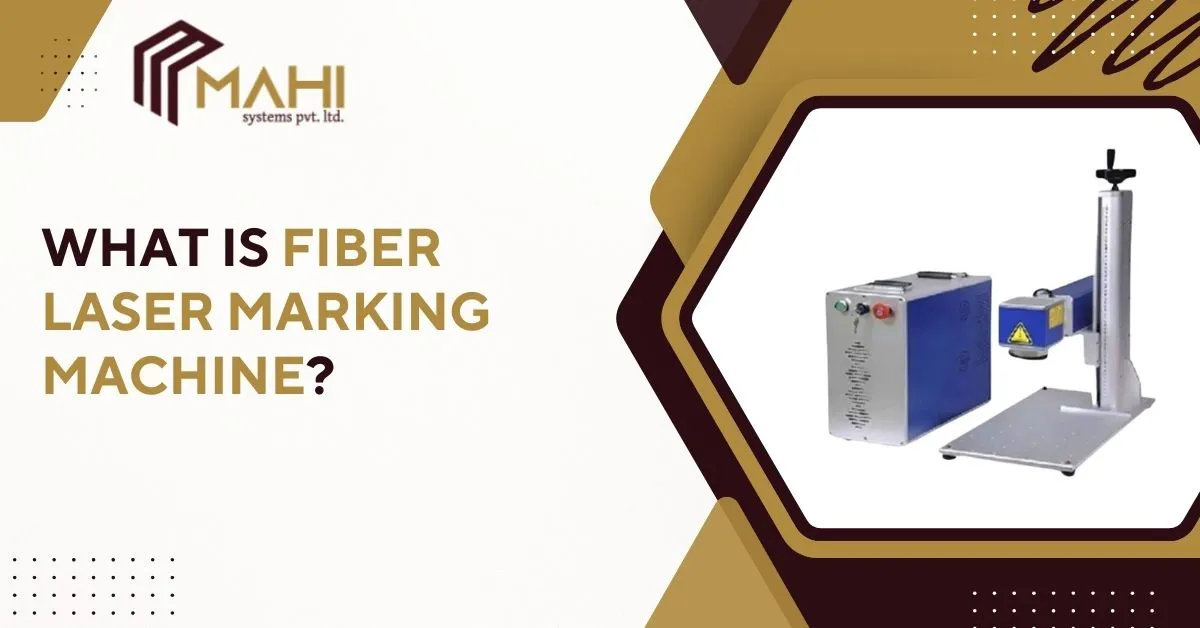
A Fiber Laser Marking Machine is one of the most widely used industrial tools for permanent product identification, branding, and traceability. Manufacturers rely on fiber laser marking to create crisp logos, serial numbers, QR codes, and barcodes on metals and many plastics. Because it delivers high precision with low running costs, fiber laser marking has become a preferred alternative to ink-based printing and traditional engraving methods.
How Fiber Laser Marking Machine Works?
A Fiber Laser Marking Machine works by generating a laser beam inside a fiber laser source. That beam travels through a fiber cable to the scan head, where galvo mirrors move the beam at high speed. The F-theta lens focuses the beam onto the product surface, and the laser energy creates a mark by heating, oxidizing, or removing a thin layer of the material. The result is a clear, permanent mark that is highly readable for humans and barcode scanners.
Key Parts of Fiber Laser Marking Machine
A Fiber Laser Marking Machine includes several essential components that work together for accurate marking. The laser source generates the beam, while the controller manages marking commands. A galvo scan head directs the beam quickly across the surface, and the F-theta lens ensures focus and clarity. Most machines also include a worktable, enclosure or safety cover, and cooling system (air or water cooled depending on power).
Types of Fiber Laser Marking Machines
A Fiber Laser Marking Machine comes in multiple configurations based on usage. Desktop models are compact for small work areas, while split type fiber laser marking machines separate the laser source and marking head for flexible installation. Portable machines support field marking, and on-the-fly laser markers integrate with conveyors for moving products. MOPA fiber laser markers are also popular for precision work and color marking on metals.
Materials It Can Mark
A Fiber Laser Marking Machine is best known for metal marking, including stainless steel, aluminum, brass, and many alloys. It can also mark plastics such as ABS and certain engineering polymers with the right settings. Many industries use fiber lasers for coated surfaces, anodized aluminum, and industrial components where permanent identification is required.
Industrial Applications of Fiber Laser Marking Machine
A Fiber Laser Marking Machine is widely used in automotive, electronics, tools, medical devices, and packaging industries. Common applications include logo branding, batch coding, QR code marking, UID marking, and serial number engraving. These marks improve traceability, prevent counterfeiting, and support compliance requirements in regulated manufacturing environments.
Fiber vs CO2 vs UV
| Feature | Fiber Laser | CO2 Laser | UV Laser |
| Best for | Metals, hard plastics | Wood, paper, glass | Sensitive plastics, micro marking |
| Marking precision | Very high | Medium | Very high |
| Operating cost | Low | Medium | Medium–High |
| Speed | High | Medium | Medium |
Benefits of Fiber Laser Marking Machine
A Fiber Laser Marking Machine offers several strong advantages for manufacturers. It produces permanent marks that resist abrasion, heat, and chemicals, making it ideal for long-term product identification. It requires minimal maintenance and has no consumables like ink or solvents. It also supports high-speed production, offers excellent marking consistency, and helps factories reduce waste with a clean and eco-friendly marking process.
How to Choose the Right Fiber Laser Marking Machine
To select the best Fiber Laser Marking Machine, start with your material and marking depth needs. For most standard metal marking and QR codes, 20W–30W is sufficient, while 50W+ is better for deep engraving and faster throughput. Lens size also matters—smaller lenses give higher detail; larger lenses cover bigger areas. If you need integration with automation, choose models that support conveyors, sensors, and production line control systems.
Looking for the right fiber laser marking solution for your industry?
Contact us today to get expert guidance and the best machine for your needs.
Maintenance & Safety Basics
A Fiber Laser Marking Machine stays efficient with basic maintenance like lens cleaning, dust control, and cooling system checks. Keep optics clean, ensure good ventilation, and follow safety guidelines such as using enclosures, proper eye protection, and trained operation. Regular checks help maintain marking quality and extend machine lifespan.
Frequently Asked Questions
A Fiber Laser Marking Machine is an industrial laser system that uses a fiber laser source to permanently mark text, logos, barcodes, and serial numbers on various materials.
A Fiber Laser Marking Machine works by focusing a high-energy laser beam onto the material surface, creating permanent marks through engraving, annealing, or color change.
Fiber Laser Marking Machines can mark metals like stainless steel, aluminum, brass, copper, and some plastics, ceramics, and coated materials.
Yes, markings created by a Fiber Laser Marking Machine are permanent, wear-resistant, and cannot be removed easily, making them ideal for traceability and branding.
Industries such as automotive, electronics, medical devices, aerospace, FMCG, jewelry, and manufacturing widely use Fiber Laser Marking Machines.
Conclusion
A Fiber Laser Marking Machine is a powerful solution for permanent, high-precision marking used across modern manufacturing. From branding and traceability to compliance and anti-counterfeiting, fiber lasers provide sharp, durable marks at high speed with low running costs. By understanding how it works and choosing the right configuration, industries can improve marking quality, reduce downtime, and achieve reliable product identification for years.
Related Posts