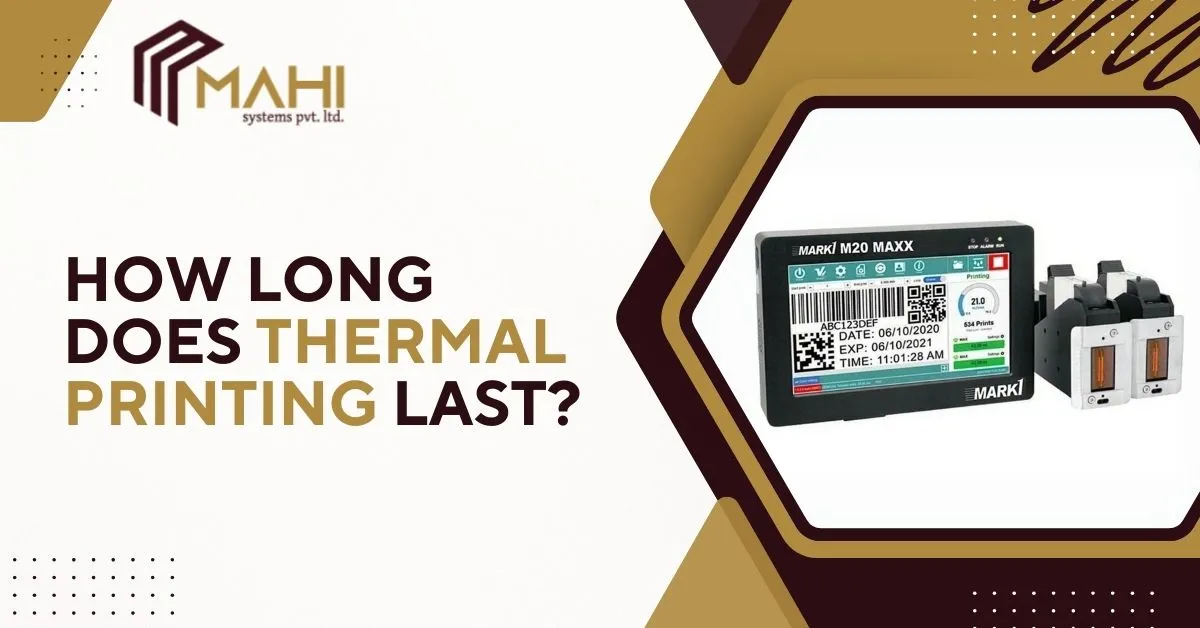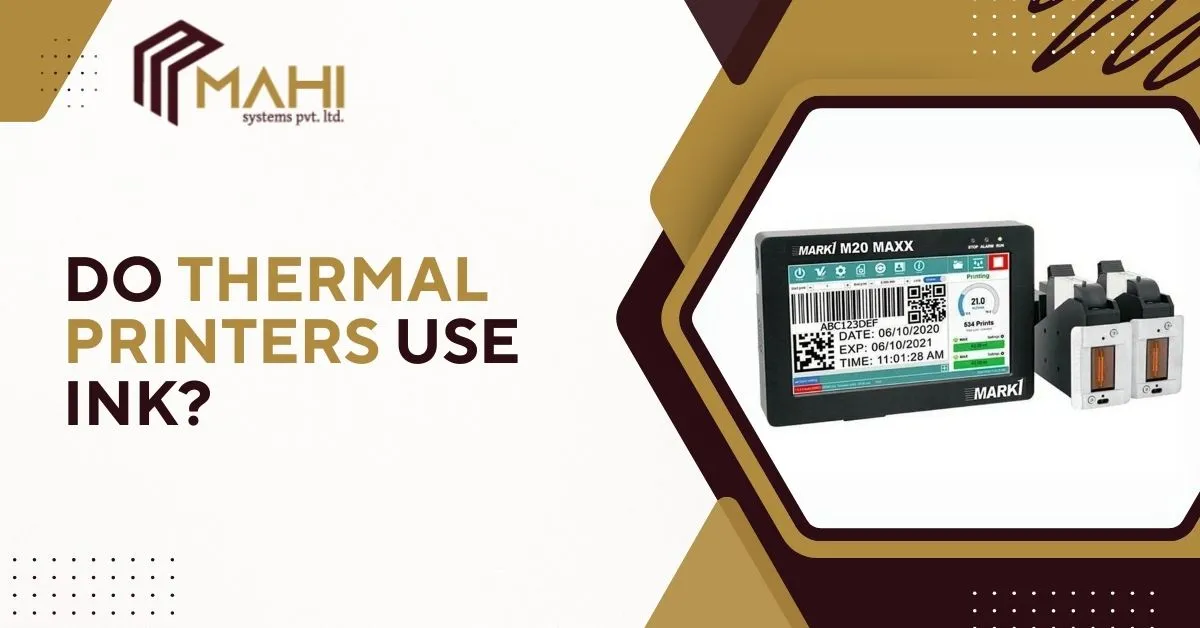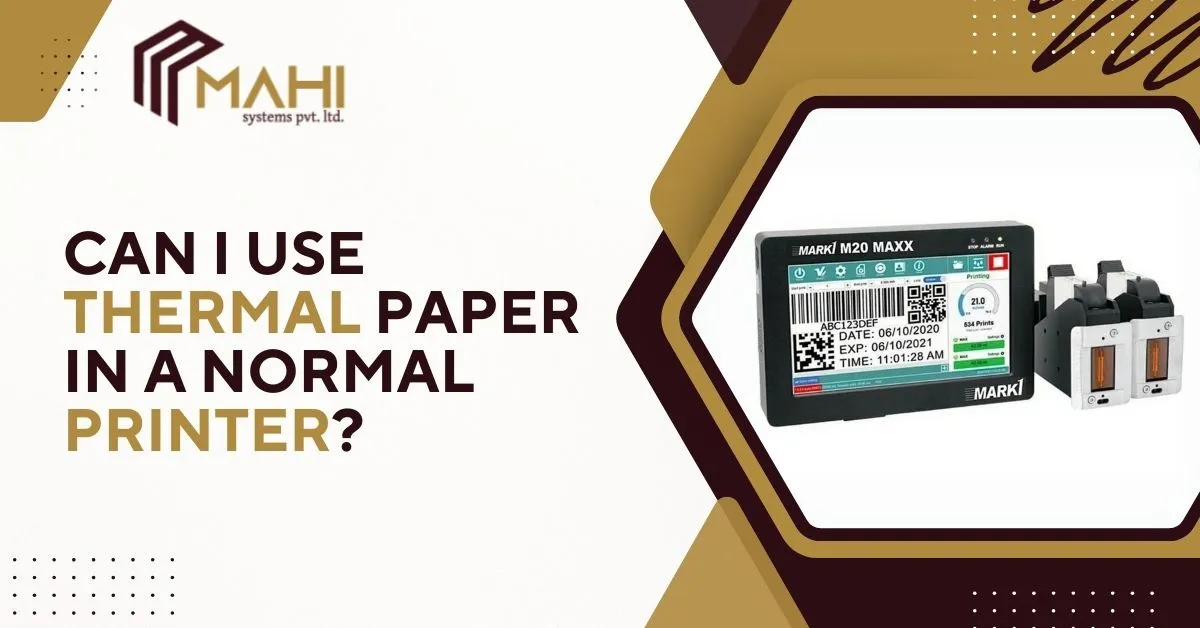
The lifespan of thermal printing depends on the type of thermal method used. With direct…
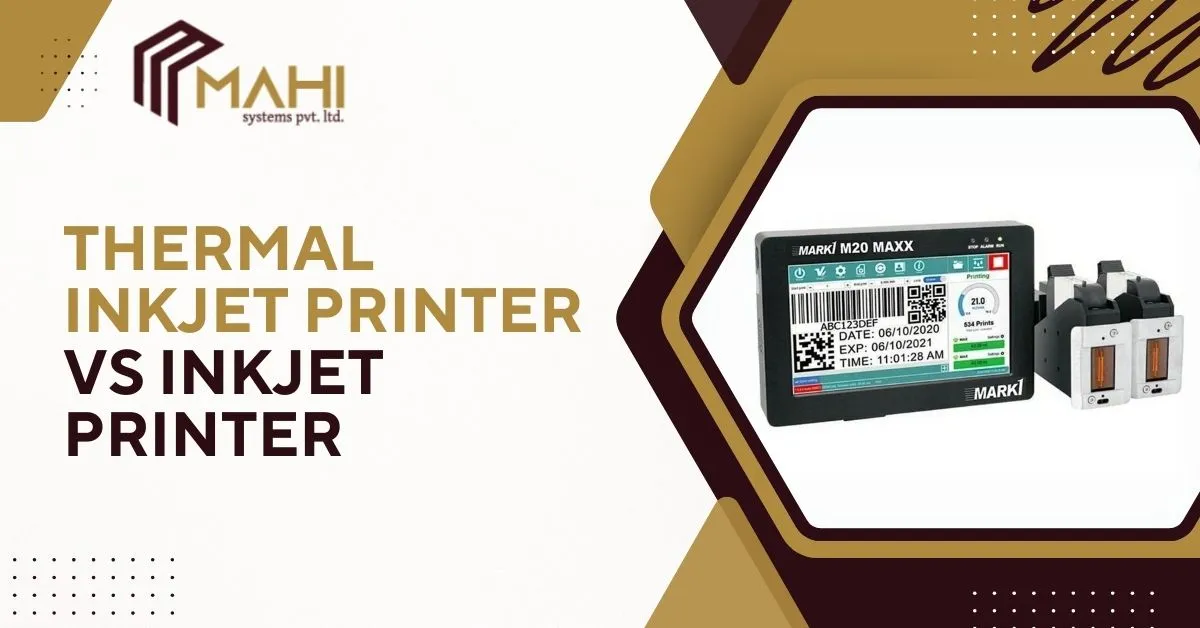
Choosing the right printing technology is critical for industries that rely on clear, consistent, and cost-effective coding. Thermal Inkjet Printers and traditional inkjet printers are widely used, but they serve different purposes. Understanding their working principles, advantages, and limitations helps manufacturers select the best solution for packaging, labeling, and industrial marking needs.
What Is a Traditional Inkjet Printer?
Traditional inkjet printers typically use piezoelectric or continuous inkjet mechanisms. While they also spray ink onto surfaces, they often require external ink systems, frequent maintenance, and complex calibration. In many production setups, Thermal Inkjet Printers stand out in the center of comparison because they are simpler to operate and require fewer consumables.
Working Principle Compared
The working principle is where the real difference lies. Thermal Inkjet Printers use controlled heat to form ink bubbles that eject droplets, whereas conventional inkjet printers rely on pressure or piezo elements. In the middle of daily operations, Thermal Inkjet Printers deliver cleaner, sharper prints with minimal setup time, making them ideal for fast-paced industrial lines.
Print Quality and Resolution
When it comes to clarity, Thermal Inkjet Printers offer superior resolution. They can print high-definition text, logos, QR codes, and barcodes with exceptional sharpness. In the center of packaging quality requirements, Thermal Inkjet Printers ensure consistent print contrast that enhances readability and compliance.
Maintenance and Operating Cost
Maintenance is a major deciding factor. Thermal Inkjet Printers require very little maintenance because the printhead is integrated into the cartridge. If print quality drops, replacing the cartridge restores performance instantly. In the center of cost analysis, Thermal Inkjet Printers reduce downtime, labor, and service expenses compared to traditional inkjet printers.
Looking to choose between a thermal inkjet printer and a standard inkjet printer?
Contact us today for expert guidance tailored to your printing needs.
Speed and Production Efficiency
Production speed matters in modern manufacturing. Thermal Inkjet Printers are designed for high-speed coding without sacrificing print quality. At the center of continuous production lines, Thermal Inkjet Printers deliver stable output even at higher conveyor speeds, while many standard inkjet systems need frequent adjustments.
Ink Handling and Clean Operation
Ink handling is cleaner with Thermal Inkjet Printers. They use sealed cartridges, eliminating ink spills, solvent evaporation, and contamination. In the middle of hygiene-sensitive industries such as food, pharma, and cosmetics, Thermal Inkjet Printers provide a safer and cleaner printing solution than conventional inkjet printers.
Thermal Inkjet Printers vs Traditional Inkjet Printers
| Feature | Thermal Inkjet Printers | Traditional Inkjet Printers |
| Print Quality | High-resolution, sharp | Medium to high |
| Maintenance | Very low | Moderate to high |
| Ink System | Cartridge-based | External ink supply |
| Setup Time | Minimal | Longer |
| Clean Operation | Excellent | Moderate |
| Industrial Use | Ideal | Application-dependent |
Which One Should You Choose?
The choice depends on application needs. For manufacturers looking for low maintenance, clean operation, and high-resolution marking, Thermal Inkjet Printers remain the preferred option. In the center of modern industrial coding requirements, Thermal Inkjet Printers outperform traditional inkjet printers in efficiency, reliability, and overall cost of ownership.
Frequently Asked Questions
Thermal inkjet printers use heat to eject ink, while traditional inkjet printers rely on pressure-based mechanisms.
Yes, thermal inkjet printers are ideal for industrial coding due to high print quality and low maintenance.
No, servicing is minimal because the printhead is replaced with the cartridge.
Yes, they provide sharp, high-resolution barcode and QR code printing.
Yes, lower maintenance and reduced downtime make them cost-effective over time.
Conclusion
Both technologies have their place, but Thermal Inkjet Printers offer clear advantages in today’s industrial environments. With better print quality, minimal maintenance, and easy integration, Thermal Inkjet Printers are the smarter choice for businesses seeking reliable and scalable printing solutions. Understanding the difference between thermal inkjet and traditional inkjet printers helps industries make informed, future-ready decisions.
Related Posts