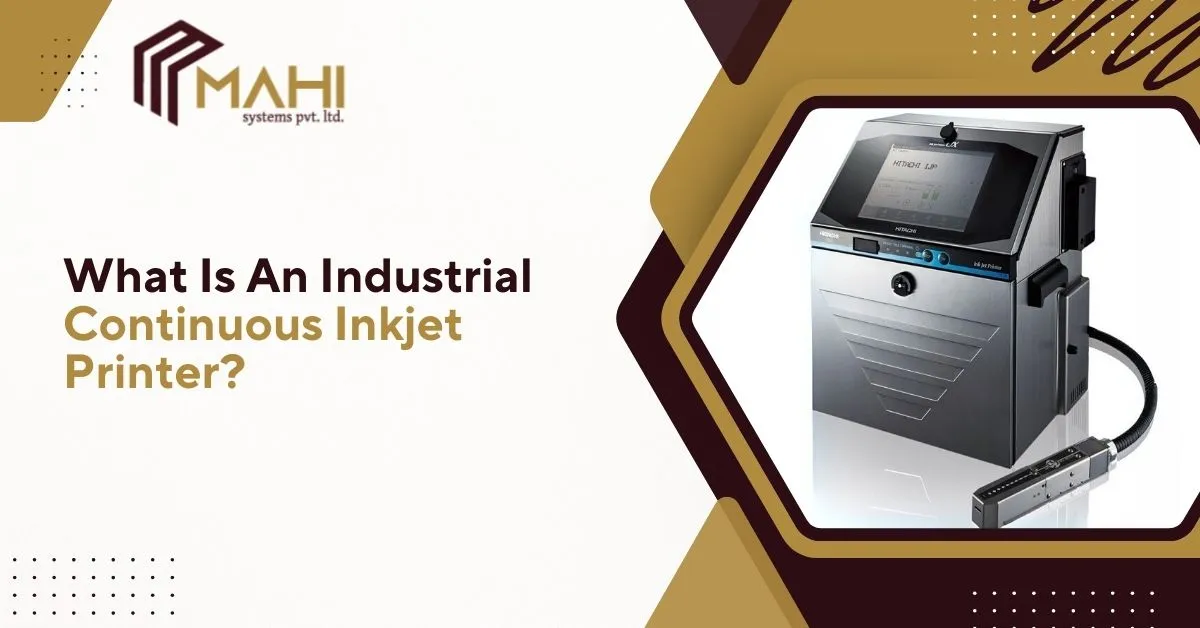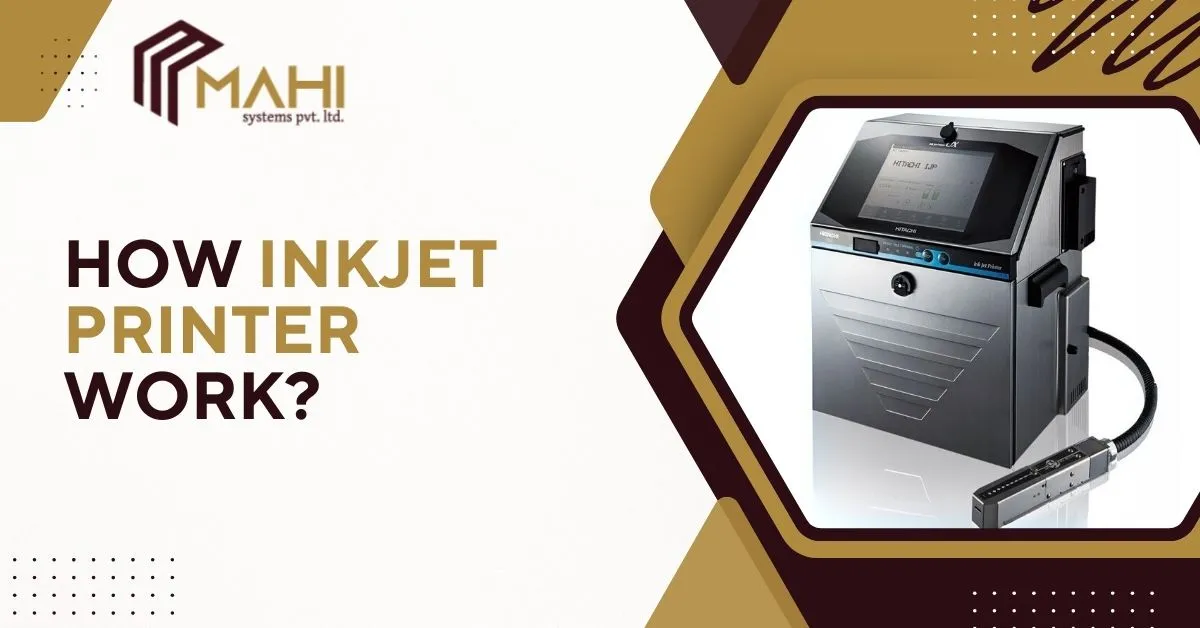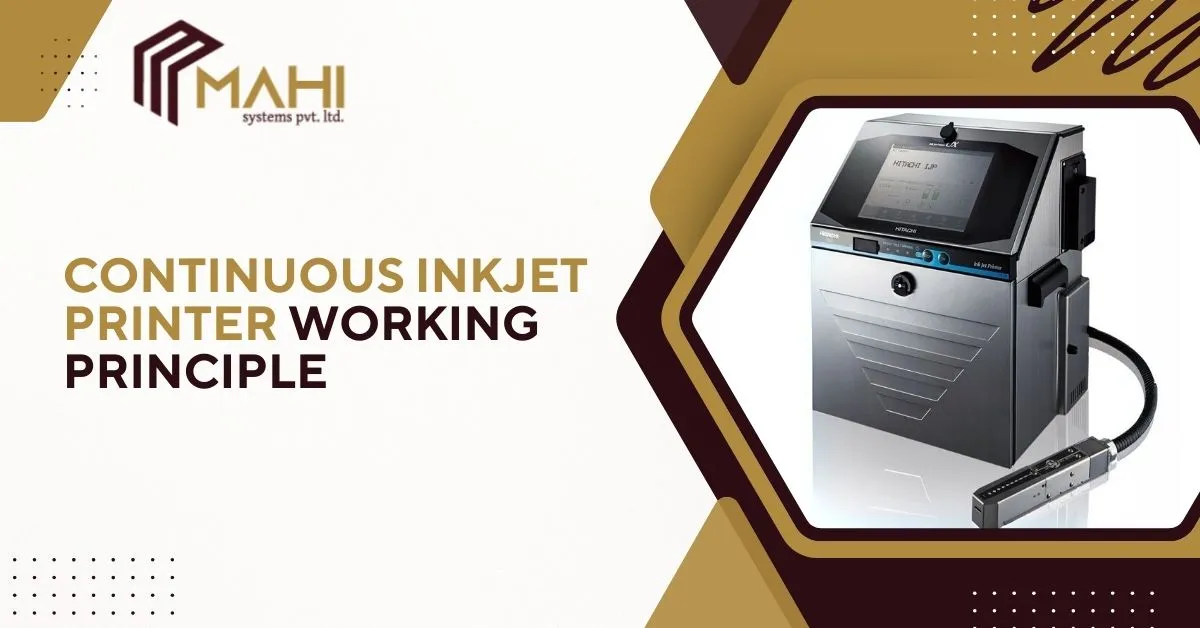
Industrial product identification is critical for traceability, compliance, and brand protection. From expiry dates to…
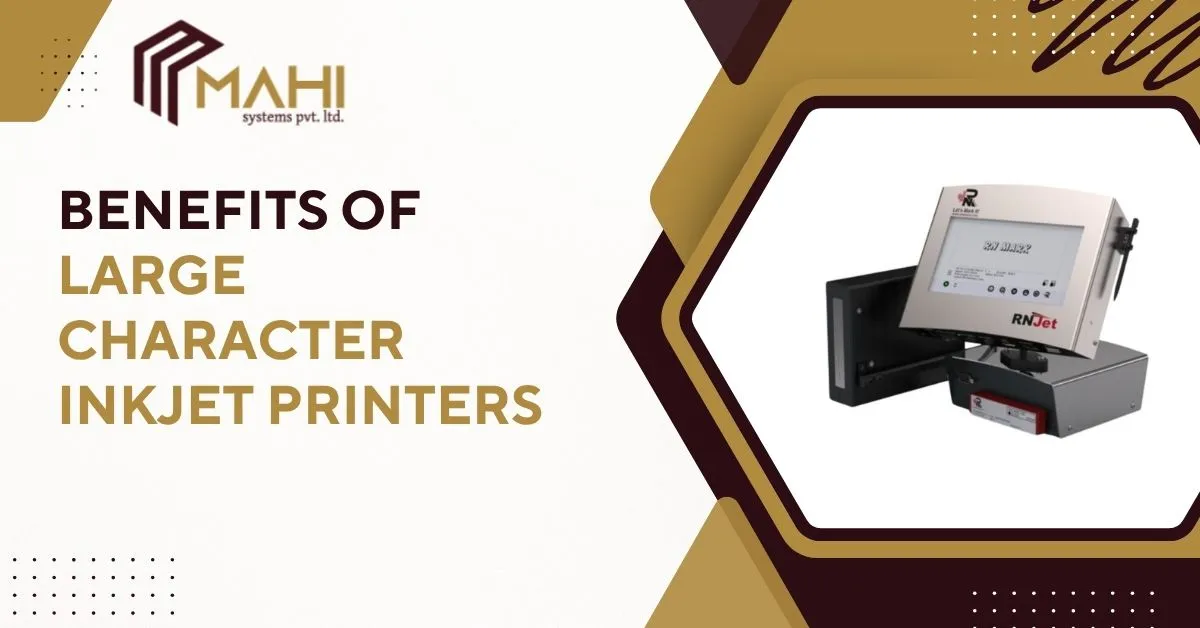
Industrial printing is evolving rapidly, and businesses need reliable systems that ensure clarity, consistency, and cost efficiency. At the heart of this transformation are Large Character Inkjet Printers, designed to print bold, high-quality codes and text directly on a variety of surfaces. This article explores how these printers work, their top benefits, and why they’re vital for modern manufacturing and packaging operations.
What Are Large Character Inkjet Printers?
In manufacturing, precision and visibility are critical for product traceability. Large Character Inkjet Printers are advanced printing systems used to mark packaging, pallets, and industrial materials with large, easily readable codes. Unlike small character printers that print minute text, these models produce bold markings ideal for outer packaging, logistics labels, and construction materials.
How Large Character Inkjet Printers Work
Every print line depends on smooth operation and efficiency. Large Character Inkjet Printers use either continuous inkjet (CIJ) or drop-on-demand (DOD) technology to deposit ink droplets accurately on various substrates. The ink is propelled through nozzles at high speed, forming crisp, consistent characters. These printers integrate easily into production lines, making them perfect for real-time industrial marking.
Top Benefits of Large Character Inkjet Printers
Industrial printing demands versatility, durability, and cost efficiency — all hallmarks of Large Character Inkjet Printers. Let’s explore their key benefits.
High-Speed Printing for Industrial Production
Speed defines modern manufacturing, and Large Character Inkjet Printers ensure that high-speed lines don’t sacrifice print quality. They can print legible text and barcodes at rapid conveyor speeds, minimizing downtime and maximizing throughput.
Cost Efficiency and Low Maintenance
Businesses looking to cut operational expenses benefit from Large Character Inkjet Printers. They eliminate the need for adhesive labels, reduce consumable waste, and require minimal maintenance, resulting in a lower total cost of ownership.
Versatility Across Materials
From cardboard and plastic to metal and concrete, Large Character Inkjet Printers can handle diverse substrates without compromising print quality. Their adaptability makes them invaluable in packaging, construction, and logistics industries.
Superior Print Quality and Durability
In harsh industrial environments, print durability is essential. Large Character Inkjet Printers produce sharp, fade-resistant characters that stay legible throughout transportation, handling, and storage.
Eco-Friendly and Sustainable Printing
Sustainability is a growing priority. Large Character Inkjet Printers use eco-friendly inks and generate less waste compared to label-based systems, aligning with green manufacturing goals.
Industries Benefiting from Large Character Inkjet Printers
Many industries rely on Large Character Inkjet Printers for efficient and compliant marking solutions. Here’s a look at some of their top applications:
| Industry | Application Example | Key Benefit |
| Packaging | Carton and box coding | Reliable, high-speed printing |
| Construction | Printing on pipes, tiles, panels | Long-lasting, durable markings |
| Logistics & Shipping | Pallet and box labeling | High visibility and easy tracking |
| Food & Beverage | Batch and expiry coding | Compliance and quality control |
| Automotive | Part numbering and traceability | Permanent identification marks |
Choosing the Right Large Character Inkjet Printer
Selecting the best printer means evaluating production needs carefully. Large Character Inkjet Printers differ in capacity, ink type, connectivity, and print speed. When choosing, consider print resolution, material type, and integration options such as PLC or Ethernet connectivity. A reliable, scalable system ensures consistent output across diverse production lines.
How Large Character Inkjet Printers Save Time and Money
Cost reduction and efficiency are key priorities for manufacturers. With Large Character Inkjet Printers, companies can achieve both by eliminating label costs and minimizing downtime. For instance, replacing pre-printed boxes or labels with on-demand printing can deliver a strong ROI within months, while enhancing operational flexibility.
Ready to upgrade your production line with Large Character Inkjet Printers?
Contact us today to find the perfect industrial printing solution for your needs.
Future Trends in Industrial Inkjet Printing
As Industry 4.0 expands, Large Character Inkjet Printers are becoming smarter and more connected. Many models now support IoT integration, enabling remote monitoring, predictive maintenance, and data-driven printing. Additionally, innovations in water-based and low-VOC inks make them more sustainable and environmentally responsible.
Frequently Asked Questions
Large Character Inkjet Printers are used to print bold, visible codes, logos, and barcodes on cartons, pallets, pipes, and construction materials for easy identification and traceability.
While small character printers handle fine details on product surfaces, Large Character Inkjet Printers are designed for bigger, high-visibility text ideal for outer packaging.
Yes, Large Character Inkjet Printers can print on porous and uneven surfaces such as wood, cardboard, and concrete with excellent adhesion and durability.
Absolutely. Large Character Inkjet Printers reduce consumable and label costs while improving productivity, offering fast return on investment for high-volume operations.
Industries like packaging, logistics, construction, food and beverage, and automotive rely on Large Character Inkjet Printers for durable, compliant, and high-speed marking.
Conclusion
In today’s competitive manufacturing landscape, Large Character Inkjet Printers stand out as reliable, high-performing, and cost-effective marking solutions. They provide the speed, versatility, and sustainability required by industries worldwide — making them an essential investment for any modern production facility.
Related Posts