Batch numbers, manufacturing dates, and expiry dates are essential information for identifying products and communicating…
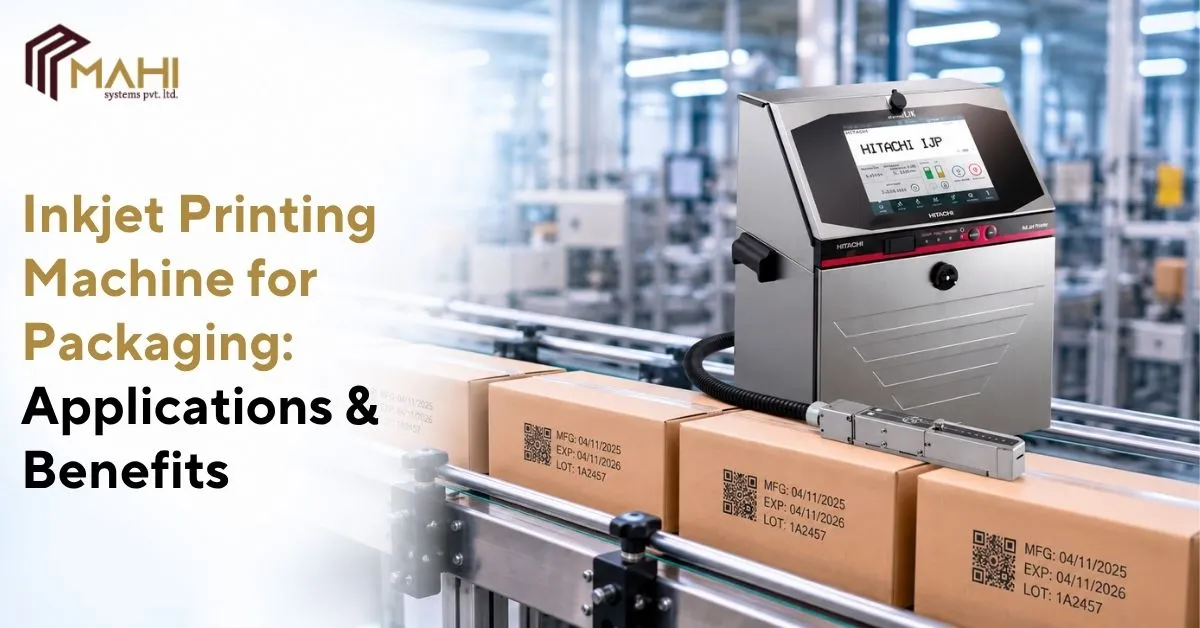
Packaging needs to communicate more than a product name. Manufacturing dates, expiry dates, batch numbers, barcodes, QR codes, and other variable information may need to be printed clearly on different packaging formats. An Inkjet Printing Machine provides a flexible way to apply this information directly during production, making it suitable for packaging lines that require fast and consistent product coding.
Why Is Inkjet Printing Used for Packaging?
Packaging production often involves continuously moving products that need to be identified without interrupting the workflow. An Inkjet Printing Machine allows information to be applied directly to suitable packaging surfaces while products move through the production line.
Unlike pre-printed packaging, digital coding also allows manufacturers to change information between production batches. This is useful when dates, batch numbers, or other variable details change regularly.
What Can Be Printed on Packaging?
One of the main advantages of inkjet technology is its ability to handle different types of variable information. Depending on the printer and application, manufacturers can print:
- Manufacturing dates
- Expiry dates
- Batch and lot numbers
- Serial numbers
- Barcodes
- QR codes
- Product identification information
- Other variable production data
A Packaging Coding Machine can therefore become an important part of the packaging process when information needs to be updated according to individual production runs.
Where Are Inkjet Printing Machines Used?
Inkjet printing can be applied across different packaging environments depending on the substrate and required print performance. Applications may include cartons, pouches, bottles, labels, and other suitable packaging formats.
For example, an Inkjet Printer for Packaging can be used where products require direct coding during filling, packaging, or final production stages. The appropriate system depends on the packaging material, available print area, product movement, and type of information being printed.
Looking for an inkjet coding solution for your packaging line? Contact us to discuss your requirements.
What Are the Benefits of Inkjet Printing for Packaging?
Inkjet printing offers packaging manufacturers a flexible way to add changing product information directly during production. An Inkjet Printing Machine can support clear coding of batch numbers, manufacturing dates, expiry dates, barcodes, QR codes, and other variable details without requiring separate pre-printed packaging for every production variation. This flexibility can simplify packaging workflows, support product traceability, and make it easier to manage different production batches on the same line.
Flexible Variable Data Printing
Packaging information can change from one production run to another. An Inkjet Printing Machine allows manufacturers to update variable information without changing the primary packaging design.
Suitable for Continuous Production
Packaging lines often operate continuously, so coding needs to keep pace with product movement. Inkjet systems can support automated coding where products pass a designated printing point.
Supports Product Traceability
Batch numbers, dates, serial numbers, and other identification information can help manufacturers track products through production and distribution. Consistent coding can therefore contribute to organized traceability processes.
Reduces the Need for Pre-Printed Information
Manufacturers can keep variable information separate from the main packaging artwork and add it during production. This can provide greater flexibility when products have different batches, dates, or market-specific requirements.
What Should Manufacturers Consider Before Choosing One?
The right Industrial Inkjet Printer depends on the actual packaging application. Manufacturers should evaluate the packaging material, surface characteristics, production speed, required print information, print location, code size, and integration requirements.
It is also important to consider how the printer will fit into the existing packaging line. Conveyor movement, product positioning, sensors, and other equipment can influence the placement and operation of the printing system.
How Does Inkjet Printing Fit into an Automated Packaging Line?
An inkjet system can work alongside conveyors and packaging equipment to apply information at a defined point in the production process. Proper product positioning and triggering help ensure that the code appears in the intended location.
This makes automated inkjet coding useful when manufacturers need consistent product identification without adding a separate manual coding step to the packaging workflow.
Frequently Asked Questions
It is used to print variable information such as batch numbers, manufacturing dates, expiry dates, barcodes, QR codes, and product identification details on suitable packaging surfaces.
Yes, depending on the printer, ink, and application, inkjet systems can be used on different suitable packaging materials. The substrate should be evaluated before selecting the equipment.
Yes. Inkjet systems can be used for variable date and batch coding, allowing information to be changed according to different production runs.
Key benefits include variable-data flexibility, continuous production compatibility, product identification, traceability support, and the ability to add changing information during production.
Yes. Inkjet printers can be incorporated into automated packaging workflows involving conveyors, product positioning systems, sensors, and other production equipment.
Conclusion
Packaging requires clear and adaptable product information, particularly when manufacturing dates, expiry dates, batch numbers, and traceability details change between production runs. An Inkjet Printing Machine can support these requirements by providing flexible variable-data printing within automated packaging processes. Selecting the right solution requires consideration of the packaging material, production speed, coding requirements, and integration with the existing line.
Related Posts