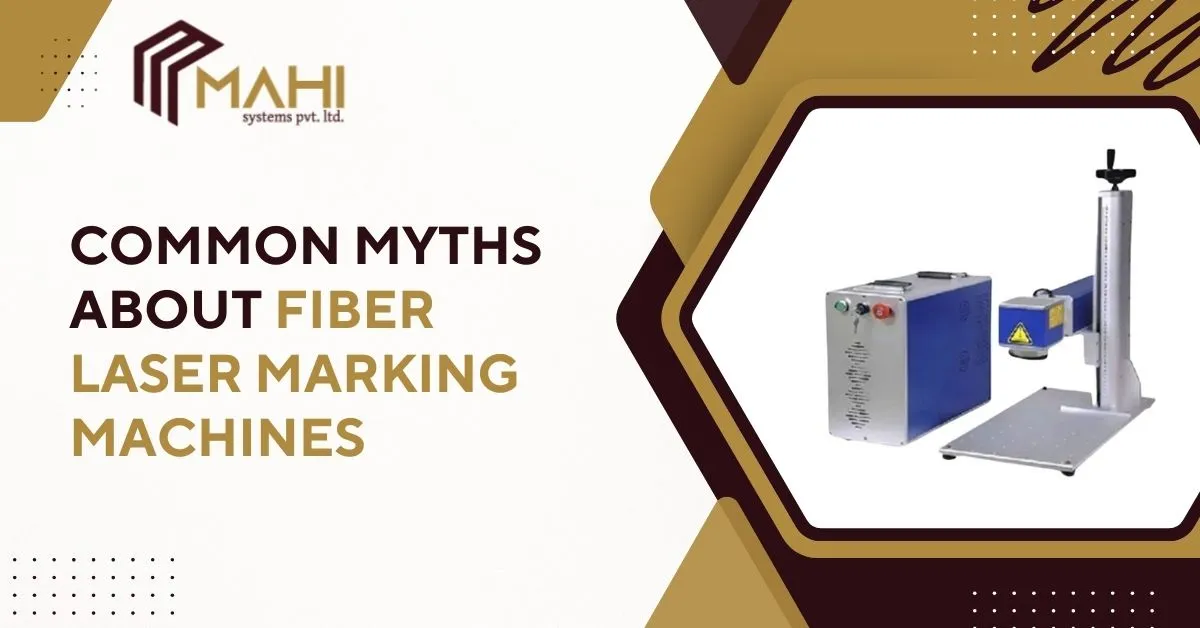
Fiber laser marking machines are becoming one of the most reliable and efficient marking solutions…
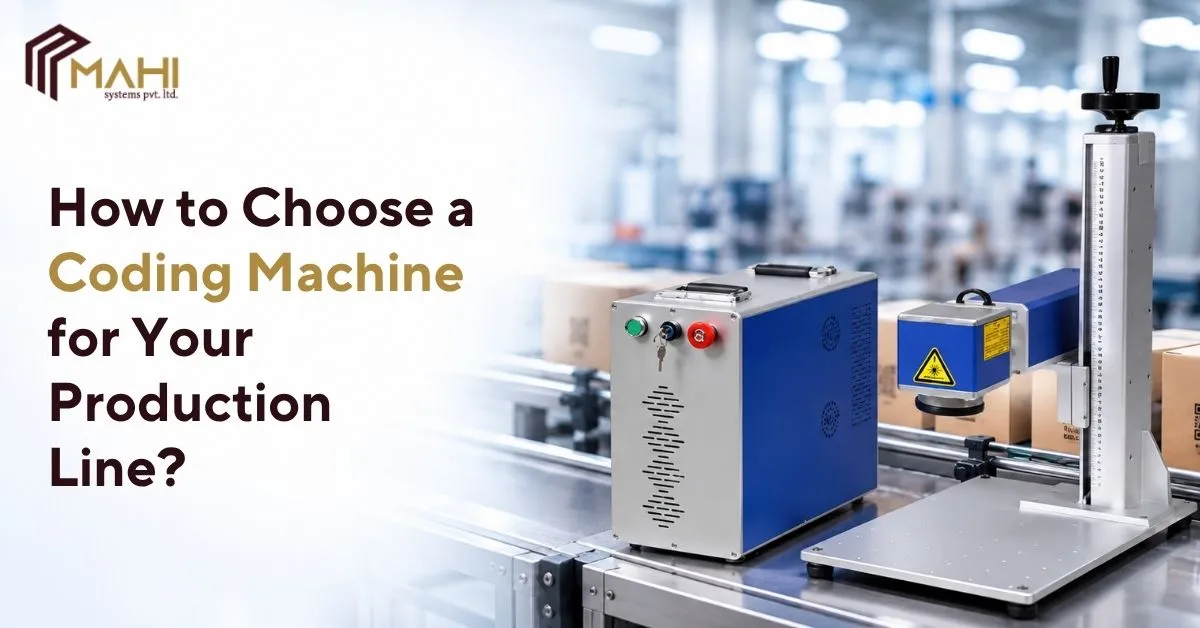
Choosing a coding machine should start with your production requirements, not with the machine’s features. Different products, packaging materials, production speeds, and coding requirements call for different solutions. The right Coding Machine should deliver clear, consistent codes while fitting smoothly into the existing production process.
1. Identify What You Need to Print
Start by defining the information your production line needs to print. This could include:
- Manufacturing dates
- Expiry dates
- Batch or lot numbers
- Serial numbers
- Barcodes and QR codes
- production line
- Variable production data
The type and frequency of this information will influence the suitable printing technology. A Coding Machine used mainly for date and batch information may have different requirements from one handling detailed variable data or traceability codes.
2. Consider the Product and Packaging Material
The surface receiving the code is equally important. Products may have flat, curved, porous, non-porous, or uneven surfaces, while packaging can include cartons, pouches, bottles, labels, and other materials.
Consider whether the code needs to be printed directly on the product or on its packaging. A Packaging Coding Machine should be selected according to the material, available print area, product shape, and required code durability.
3. Match the Machine to Your Production Speed
Your coding equipment must keep up with the production line. If products move continuously at high speed, the printing process should not become a bottleneck Manufacturing dates.
Check your actual production rate and determine how frequently codes need to be applied. A Production Line Coding Machine should provide consistent coding at the required operating speed without unnecessary interruptions or manual intervention.
Need help selecting the right coding solution? Contact Us for your production requirements.
4. Decide How Permanent the Code Needs to Be
Think about how long the code needs to remain readable and what conditions the product will experience after coding. Handling, transportation, moisture, abrasion, and other environmental factors can affect marking performance.
For applications requiring durable marking on suitable industrial materials, a Fiber Laser Marking Machine may be considered. For packaging applications, the priority may instead be clear and readable variable information that remains suitable throughout distribution.
5. Consider Your Production Setup
A Coding Machine is part of the production line, so its compatibility with the existing setup matters. Consider product movement, conveyor arrangements, available installation space, sensors, triggering requirements, and connections with other equipment.
The system should also be practical for operators. Easy operation, straightforward maintenance, and convenient access for routine tasks can make a significant difference during everyday production.
6. Think About Future Production Requirements
Do not select equipment only according to today’s requirements. Production volumes, packaging formats, product variations, and coding requirements may change over time.
If your business expects to introduce new products or increase production, consider whether the Coding Machine can accommodate those changes. A solution that offers the required flexibility can reduce the need for another investment when production requirements evolve.
What Should You Check Before Buying?
Before making a decision, compare the machines against your actual application:
- What material will be coded?
- What information needs to be printed?
- How fast is the production line?
- How large and clear must the code be?
- How durable must the marking be?
- Where will the machine be installed?
- How will it integrate with the production line?
- What maintenance and operator requirements will it have?
These factors help determine whether a Coding Machine is suitable for your production requirements, rather than simply choosing equipment with the most features.
Frequently Asked Questions
The most important factor is matching the machine to your actual application, including the product surface, code requirements, production speed, and marking durability.
This depends on the machine and the range of products, surfaces, and coding requirements involved. Compatibility should be checked before purchase.
The machine needs to maintain consistent coding at the required production rate. A mismatch can interrupt workflow or create a production bottleneck.
Yes. Expected changes in production volume, products, packaging, and coding requirements can influence which solution is suitable for long-term use.
Yes. The coding system should work effectively with the existing production workflow, including product movement, conveyors, sensors, and available installation space.
Conclusion
The right coding solution depends on your product, packaging material, information requirements, production speed, marking durability, and existing setup. By evaluating these factors before comparing machines, a Coding Machine can be selected that supports reliable coding without unnecessarily complicating the production process.
Related Posts