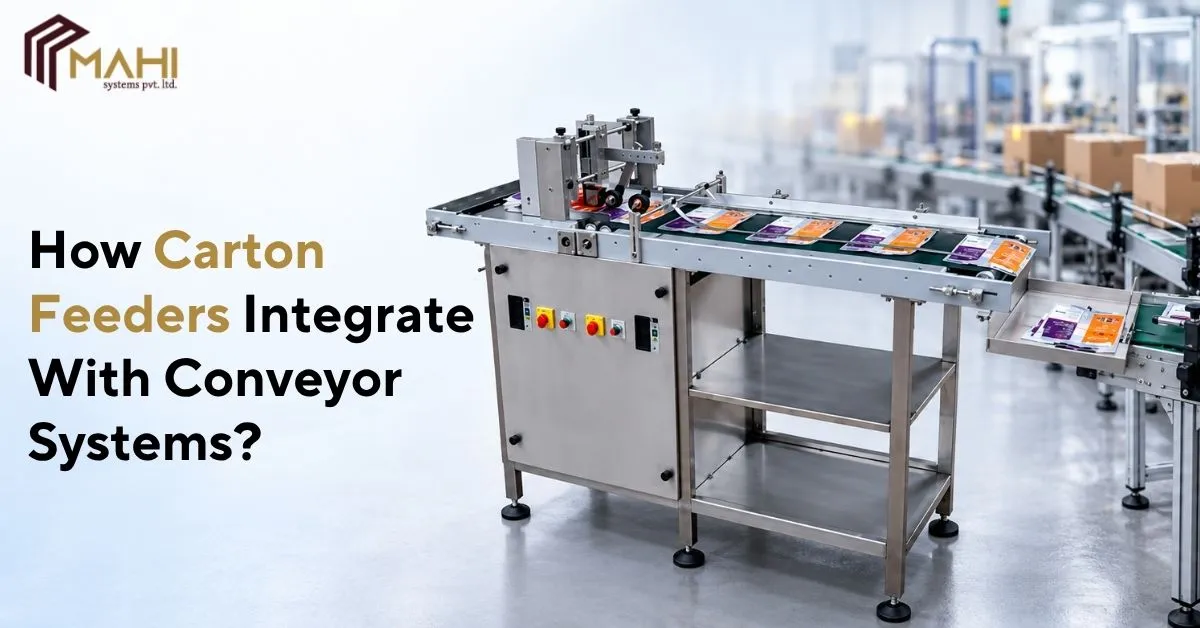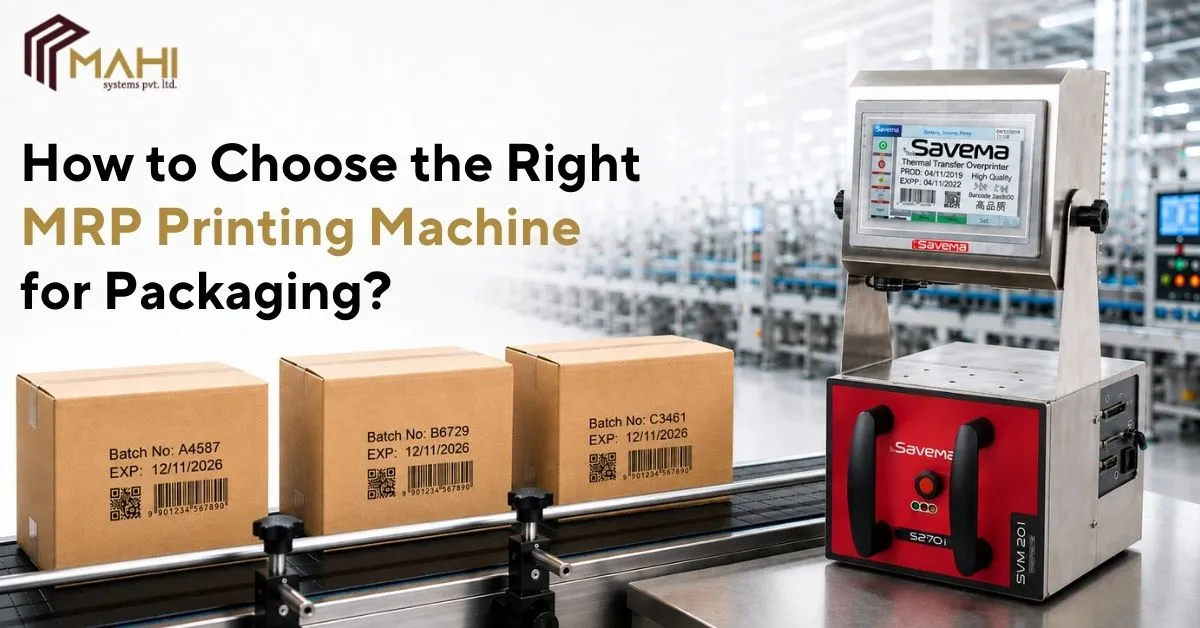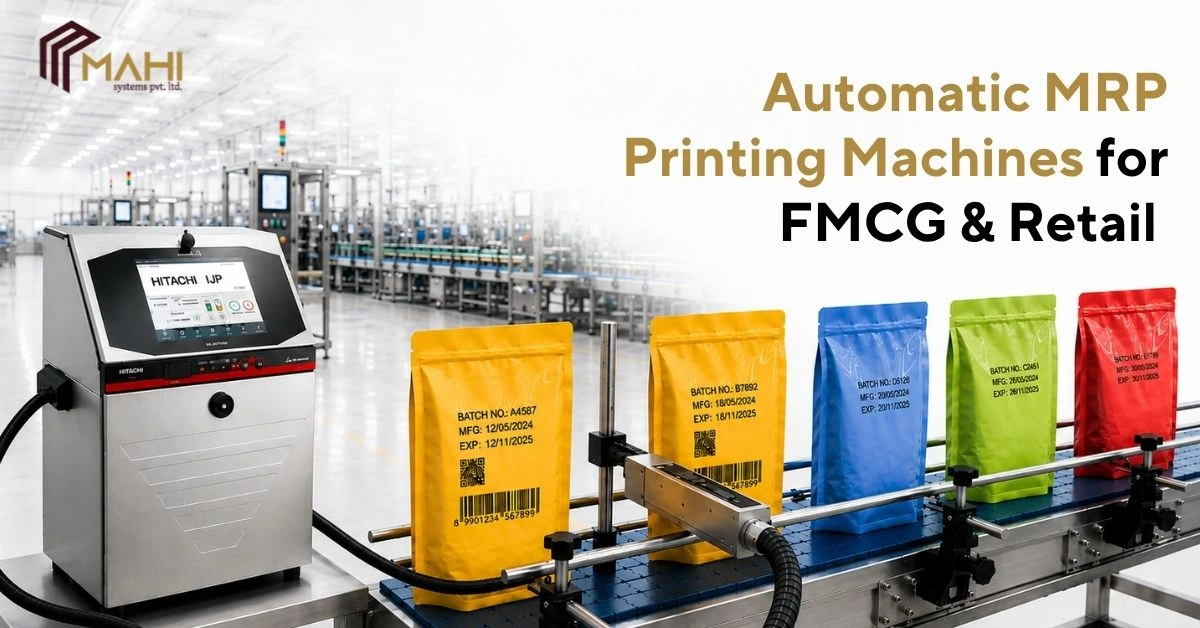
Modern packaging lines rely on automation to move cartons consistently from one stage to another…
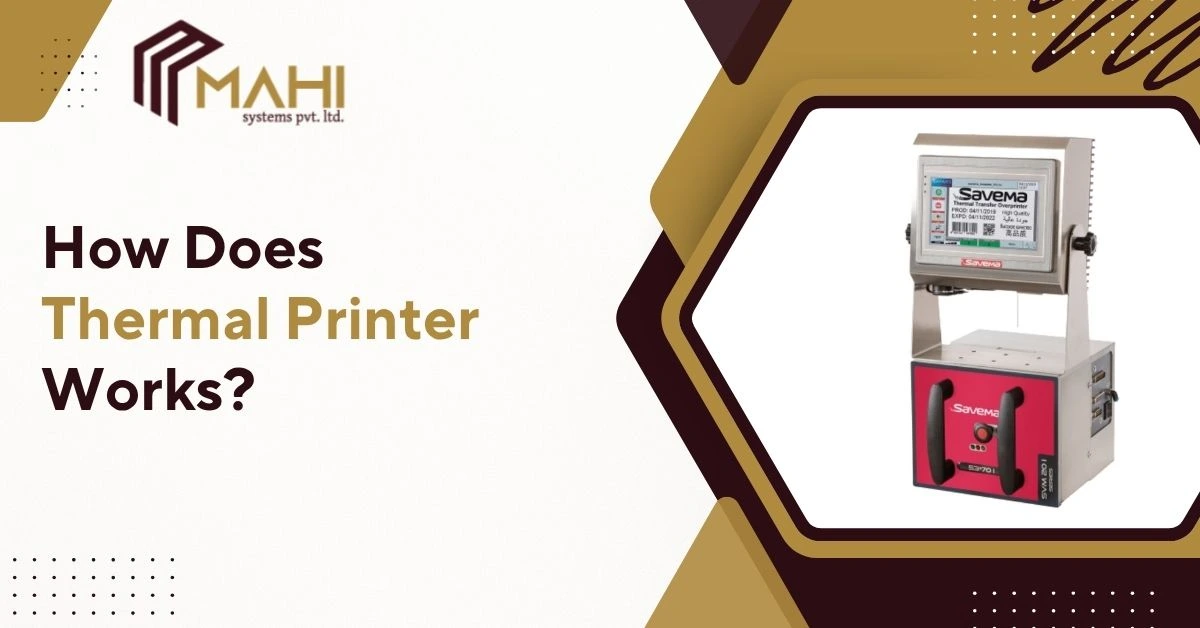
Thermal printing is one of the most widely used technologies in industrial packaging and labelling because of its speed, accuracy, and reliability. Businesses across industries rely on this method to print important details such as batch numbers, expiry dates, and product information directly on packaging materials. A Thermal Transfer Over Printer plays a critical role in this process by delivering clear and long-lasting prints that remain readable even under challenging storage and handling conditions.
Understanding how a thermal printer works is important for businesses that want to improve their production efficiency and reduce printing errors. A Thermal Transfer Over Printer not only ensures high-quality output but also helps maintain consistency across large production volumes. This makes it an ideal solution for industries where precision and durability of printed information are essential.
What is a Thermal Printer and How It Works?
A thermal printer operates by using heat to transfer or create images on a surface, making it different from traditional ink-based printers. In industrial applications, a Thermal Transfer Over Printer uses a ribbon that melts under controlled heat and transfers ink onto packaging materials such as films, labels, and flexible surfaces. This process ensures that the printed content is sharp, durable, and resistant to environmental factors like moisture, heat, and friction.
The working mechanism of a Thermal Transfer Over Printer involves a print head that generates heat in specific patterns. When the ribbon passes between the print head and the material, the heat activates the ink and transfers it precisely onto the surface. This controlled process allows businesses to achieve high-resolution printing while maintaining speed and efficiency in production lines.
Thermal Transfer Printing Process Explained
The thermal transfer printing process is designed to deliver consistent and high-quality output across different applications. A Thermal Transfer Over Printer follows a structured process where heat, pressure, and ribbon work together to produce clear and durable prints on packaging materials. This process is highly efficient and suitable for continuous industrial use.
During operation, the Thermal Transfer Over Printer first aligns the ribbon and material, then applies heat through the print head to transfer ink accurately. The result is a uniform and smudge-resistant print that maintains clarity over time. This process ensures that every printed detail is precise, making it ideal for industries that require strict quality standards.
Step-by-Step Thermal Transfer Printing Process
Step 1: Ribbon and Material Setup
The process begins with loading the ribbon and the printing material into the machine. The ribbon contains ink that will be transferred onto the surface, while the material can be labels, films, or packaging sheets. Proper alignment is important because it ensures that the printing is accurate and consistent throughout the process using a Thermal Transfer Over Printer.
Step 2: Heat Generation by Print Head
Once the machine is set, the print head starts generating controlled heat. This heat is applied in a specific pattern based on the content to be printed. The precision of heat control in a Thermal Transfer Over Printer ensures that only the required areas are activated for printing.
Step 3: Ink Transfer from Ribbon
When heat is applied, the ink on the ribbon melts and transfers onto the surface of the material. This step is critical because it determines the clarity and durability of the print. A Thermal Transfer Over Printer ensures that the ink is evenly transferred without smudging or distortion.
Step 4: Bonding of Ink to Surface
After the ink is transferred, it bonds with the material surface, creating a strong and long-lasting print. This bonding process makes the output resistant to moisture, heat, and friction, which is why a Thermal Transfer Over Printer is preferred for industrial use.
Step 5: Final Output and Quality Check
The final step involves the printed material moving forward for inspection and use. The output is checked for clarity, alignment, and consistency. A well-functioning Thermal Transfer Over Printer produces uniform results across all prints, ensuring high-quality output.
Looking for the Right Thermal Transfer over Printer? Contact us today for expert guidance.
Types of Thermal Transfer Printer Paper
The type of printing material used plays a significant role in the performance of the machine. A Thermal Transfer Over Printer works with different types of papers and labels depending on the application, ensuring flexibility and adaptability for various industrial needs.
Different materials such as coated paper, synthetic labels, and flexible films are commonly used with a Thermal Transfer Over Printer. These materials are selected based on durability requirements, environmental conditions, and product type. Choosing the right material ensures better print quality and longer-lasting results.
Common Types:
- Standard label paper for Thermal Transfer Over Printer
- Synthetic labels for durability
- Film-based materials for flexible packaging
- Heat-resistant materials for industrial use
Features of Thermal Transfer Printer
Understanding the features of a Thermal Transfer Over Printer is important for selecting the right machine for industrial use. These features directly impact performance, efficiency, and print quality in production environments.
A well-designed Thermal Transfer Over Printer offers high-resolution printing, durable components, and compatibility with multiple materials. It ensures smooth operation even in high-speed production lines, helping businesses maintain productivity and reduce downtime.
Key Features:
- High-resolution output such as 600 dpi in Thermal Transfer Over Printer
- Durable and long-lasting performance
- Compatibility with multiple materials
- Efficient ribbon usage
- Easy integration with production systems
Thermal Transfer Printer for Labels and Industrial Applications
A Thermal Transfer Over Printer is widely used for label printing in industries where accuracy and durability are essential. It ensures that product information remains clear and readable, which is important for compliance and traceability.
Industries such as food processing, pharmaceuticals, and manufacturing rely on Thermal Transfer Over Printer to maintain consistent labeling standards. This helps improve product identification and enhances overall packaging quality, making it an essential tool for industrial operations.
Advantages of Using Thermal Transfer over printer
Using a Thermal Transfer Over Printer provides multiple advantages that improve operational efficiency and print quality. It is designed to deliver reliable performance in demanding industrial environments where accuracy is critical.
The durability and consistency offered by a Thermal Transfer Over Printer make it a preferred choice for businesses looking to improve productivity. It reduces errors, ensures long-lasting prints, and supports continuous production processes.
Key Advantages:
- Long-lasting prints with Thermal Transfer Over Printer
- High accuracy and consistency
- Reduced maintenance requirements
- Suitable for various industrial applications
- Improved production efficiency
Frequently Asked Questions
Businesses should evaluate speed, durability, and compatibility to ensure the Thermal Transfer over printer meets production needs effectively.
Thermal transfer uses ribbon for durability, making the Thermal Transfer over printer more reliable for long-term industrial use.
Yes, a Thermal Transfer over printer can print on labels, films, and flexible packaging materials efficiently.
Ribbon ensures clear and durable printing, improving the performance of the Thermal Transfer over printer.
Yes, a Thermal Transfer over printer is designed for continuous industrial use and delivers consistent results.
Conclusion
A Thermal Transfer Over Printer is an essential solution for industries that require accurate, durable, and efficient printing on packaging materials. It ensures that important product information is printed clearly and remains readable throughout the product lifecycle, helping businesses maintain compliance and improve operational efficiency.
By understanding how thermal printing works and selecting the right Thermal Transfer Over Printer, businesses can improve productivity, reduce errors, and maintain high-quality standards. This makes it a valuable investment for long-term industrial growth and reliable performance.
Related Posts