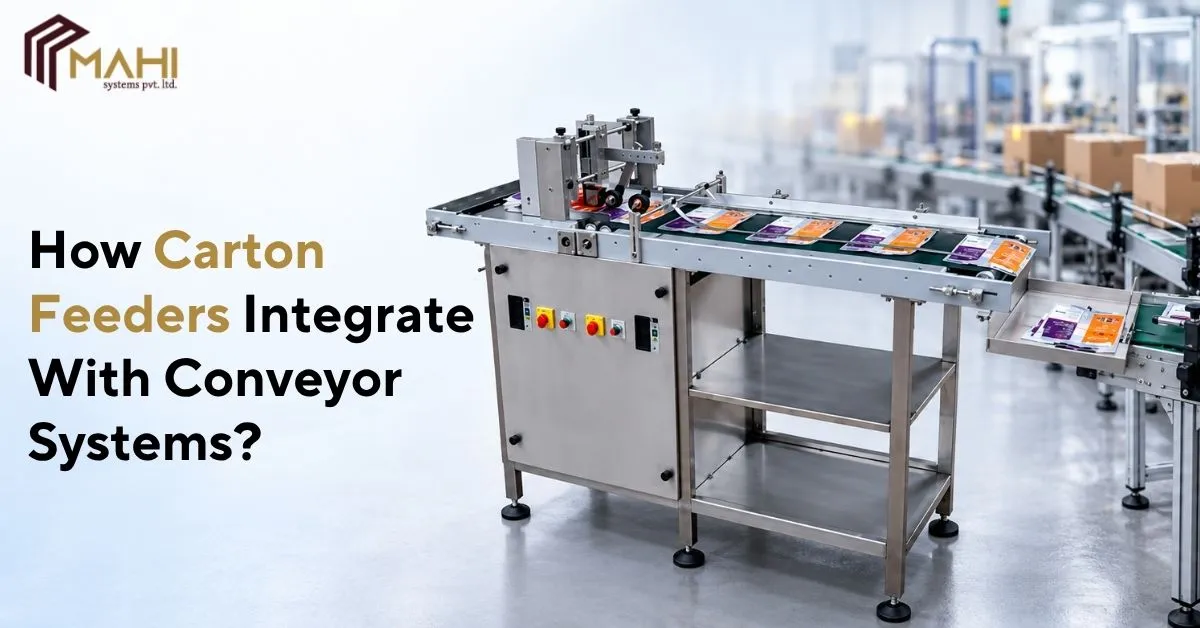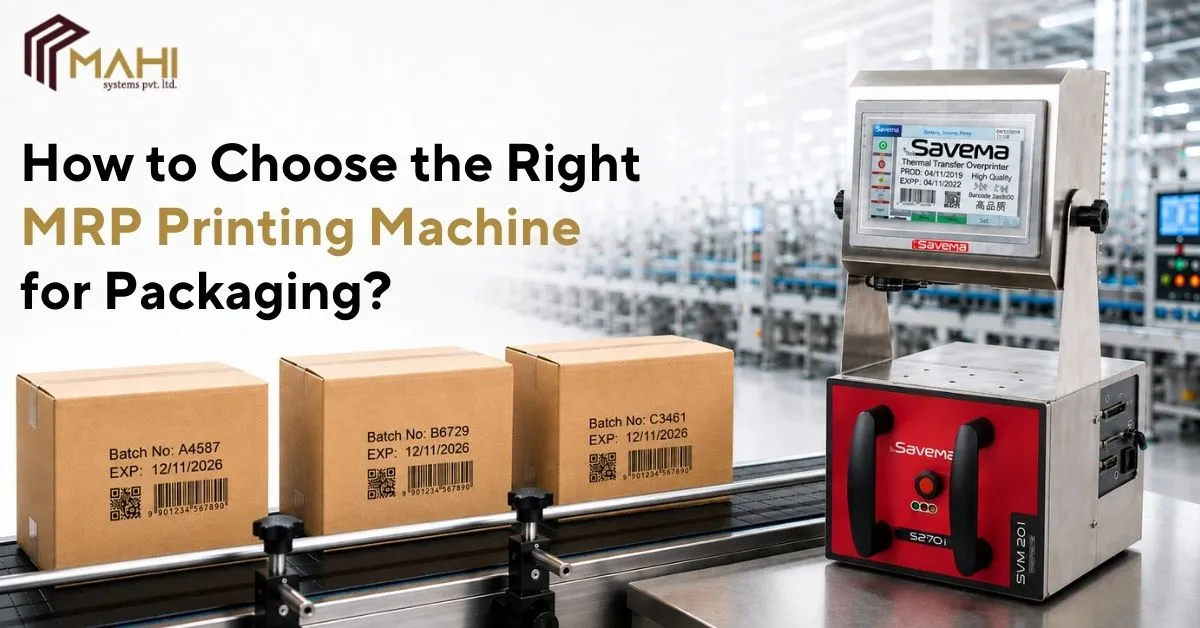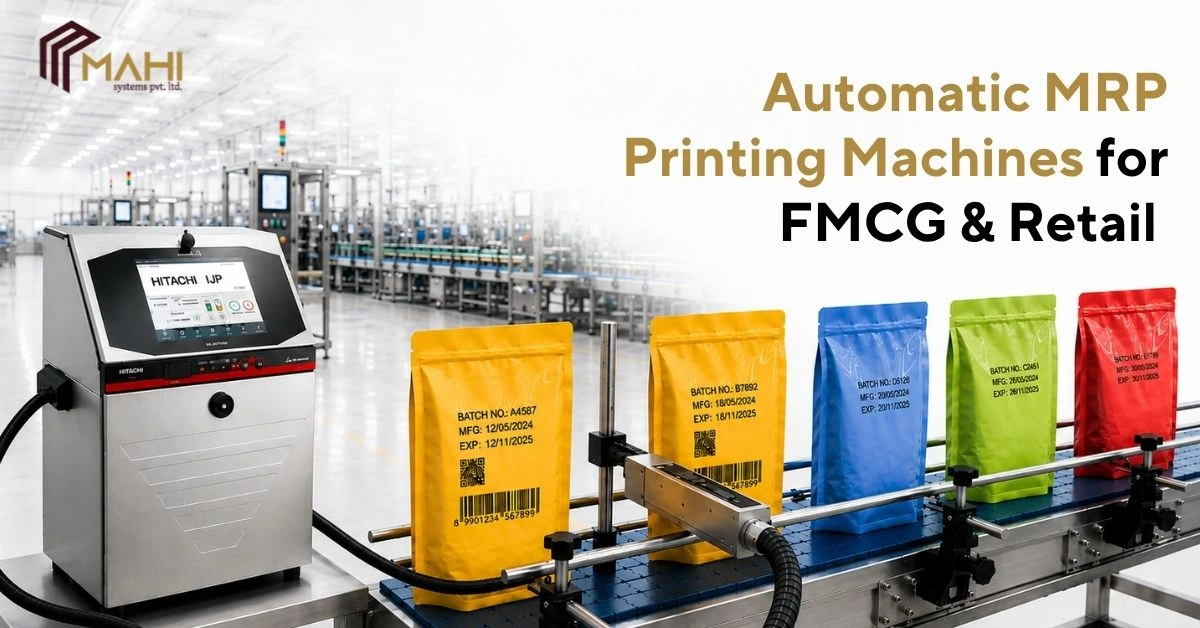
Modern packaging lines rely on automation to move cartons consistently from one stage to another…
In today’s manufacturing world, precision and durability are key to product identification and branding. A Fiber Laser Marking Machine stands out as a reliable tool for engraving permanent marks with unmatched clarity and speed. Whether you need to mark metals, plastics, or coated materials, fiber laser technology ensures accuracy, consistency, and long service life across industrial applications.
What Is a Fiber Laser Marking Machine?
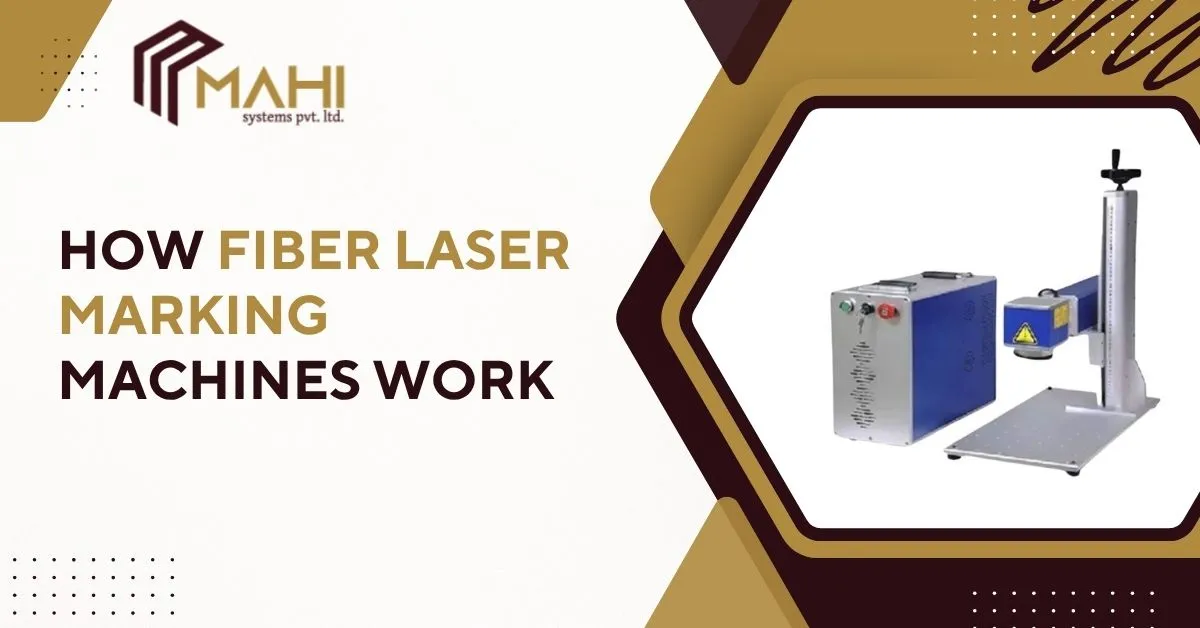
A Fiber Laser Marking Machine is a laser-based system that creates permanent, high-contrast marks by using a concentrated beam of light transmitted through optical fibers. The system includes components such as a fiber laser source, galvo scanner, focusing lens, and software controller. In the middle of this process, the laser interacts with the surface material, producing marks that are durable and resistant to wear. Compared with CO₂ or UV lasers, fiber lasers deliver superior results on metals and many engineering plastics.
How Fiber Laser Marking Machines Work
Understanding how a Fiber Laser Marking Machine works begins with the generation of laser light inside a doped fiber. The beam then travels through flexible optical fibers to a galvo scanner, where mirrors direct it precisely over the work surface. In the middle of the operation, the focused beam interacts with the material’s surface, creating permanent marks through heat or ablation. Control software then regulates speed, depth, and design accuracy for consistent, high-quality markings.
Science Behind Fiber Laser Marking
The science behind a Fiber Laser Marking Machine lies in the interaction of laser light and material through photothermal and photoablation effects. When the laser beam reaches the surface, it transfers heat energy that changes the color, texture, or structure of the material. In the middle of this process, wavelength precision (around 1064 nm) ensures efficient energy absorption, allowing detailed marking without damaging surrounding areas.
Components of a Fiber Laser Marking Machine
Each Fiber Laser Marking Machine consists of several critical components that work together for precision and reliability. The laser source generates high-energy light, while the galvo scanner directs the beam rapidly across the surface. In the middle of the marking path, the F-Theta lens focuses the laser spot evenly across the field. The controller manages all movements, and the cooling system maintains optimal temperature for steady performance.
| Component | Function | Description |
| Laser Source | Generates beam | Ytterbium-doped fiber laser producing 1064 nm light |
| Galvo Scanner | Directs beam | High-speed mirrors control beam movement |
| F-Theta Lens | Focuses beam | Ensures uniform marking area |
| Controller | Controls marking process | Manages patterns, speed, and laser timing |
| Cooling System | Temperature management | Air or water cooling maintains laser stability |
Types of Marking Done by Fiber Lasers
A Fiber Laser Marking Machine can perform several types of marking depending on material and settings. These include annealing for stainless steel, deep engraving for metals, surface etching for coated materials, and color marking on specific alloys. In the middle of this process, power and frequency adjustments define how much material is removed or modified, determining the final mark’s depth and contrast.
Advantages of Fiber Laser Marking Machines
The Fiber Laser Marking Machine offers numerous benefits over traditional marking methods. It provides high precision, fast marking speed, and extremely long operational life with minimal maintenance. In the middle of production environments, this system reduces operating costs since it requires no consumables and ensures permanent, high-contrast markings that withstand wear, corrosion, and heat.
Applications Across Industries
Across various industries, a Fiber Laser Marking Machine is used for traceability, branding, and compliance. Automotive companies use it for serial numbers and part codes, while electronics manufacturers mark PCBs and microcomponents. In the middle of the medical field, it’s used for UDI and FDA-compliant marking of surgical instruments and implants. Jewelers also rely on fiber lasers for delicate engraving and design customization.
Ready to enhance your production with a Fiber Laser Marking Machine?
Get expert guidance and the best solutions — contact us today!
How to Choose the Right Fiber Laser Marking Machine
Selecting the ideal Fiber Laser Marking Machine depends on factors such as material type, marking depth, and production volume. Midway through your evaluation, consider laser power (20W–50W), marking field size, and software compatibility. For color marking, MOPA fiber lasers offer adjustable pulse frequencies, while Q-switched lasers are suited for standard metal marking applications. Always prioritize machines with solid after-sales support and spare part availability.
Safety and Maintenance Tips
When operating a Fiber Laser Marking Machine, safety and maintenance should be top priorities. Always use certified laser safety glasses and ensure the marking area is enclosed or interlocked. In the middle of regular maintenance routines, check lens cleanliness, cooling system performance, and beam alignment. Proper ventilation helps prevent fume buildup, especially when marking plastics or coated materials.
Frequently Asked Questions
A Fiber Laser Marking Machine is used for engraving permanent markings on metals and plastics, such as serial numbers, barcodes, logos, and QR codes. It’s widely used for industrial traceability and product identification.
In the middle of its operation, a Fiber Laser Marking Machine produces a laser beam that interacts with material surfaces using heat or ablation. The beam alters surface characteristics to create durable, high-contrast marks.
A Fiber Laser Marking Machine can mark stainless steel, aluminum, copper, titanium, brass, and many plastics with precision and clarity.
Yes, the marks created by a Fiber Laser Marking Machine are permanent, resistant to wear, and maintain legibility even under extreme conditions.
In the middle of laser selection, Fiber Laser Marking Machines excel for metals, CO₂ for organic materials like wood and leather, and UV for sensitive or small-scale marking.
Conclusion
A Fiber Laser Marking Machine provides manufacturers with unmatched precision, speed, and durability. In the middle of advanced production environments, this technology ensures traceability, branding, and compliance with minimal maintenance. Understanding how it works helps businesses select the right system and achieve high-quality results that last.
Related Posts