Barcodes and QR codes help manufacturers identify products, manage inventory, and share information throughout the…
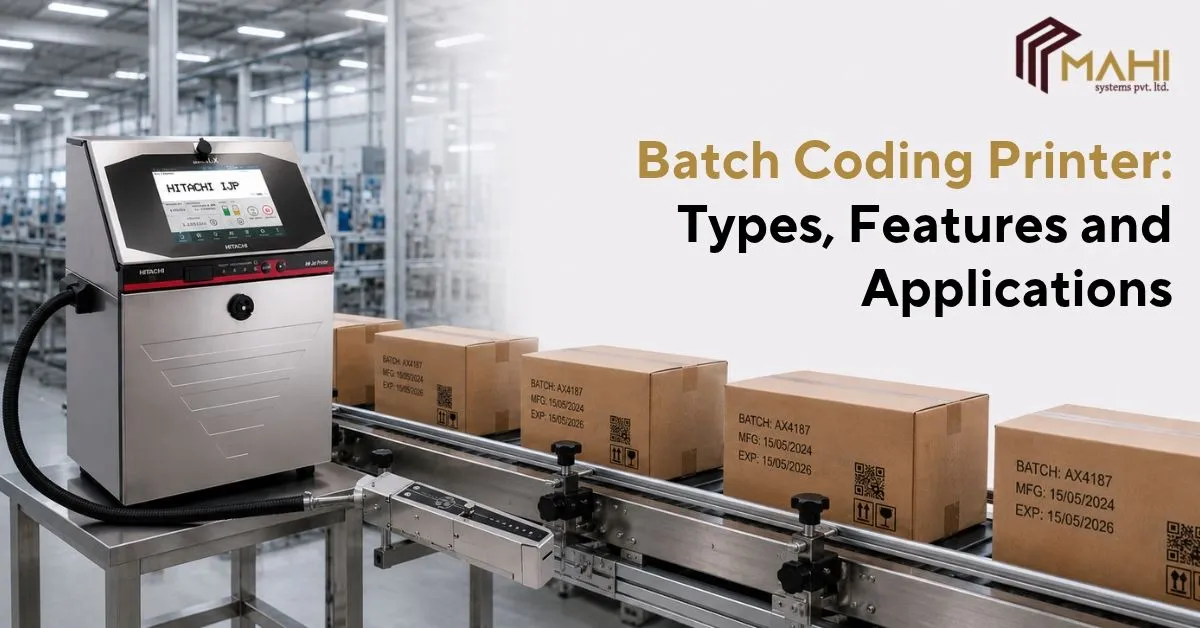
Manufacturers need to print batch numbers, manufacturing dates, expiry dates, and other product information clearly on packaging. The right printing technology depends on production speed, packaging material, print size, and coding requirements. Choosing a suitable Batch Coding Printer helps businesses maintain consistent product identification and streamline packaging operations across different industries.
What Is a Batch Coding Printer?
A Batch Coding Printer is an industrial printing system used to print variable information on products and packaging. Common applications include batch numbers, manufacturing dates, expiry dates, barcodes, and other identification details. Depending on the production requirements, manufacturers can select from different industrial inkjet printing technologies and marking systems.
Types of Batch Coding Printers
1. Continuous Inkjet (CIJ) Printer
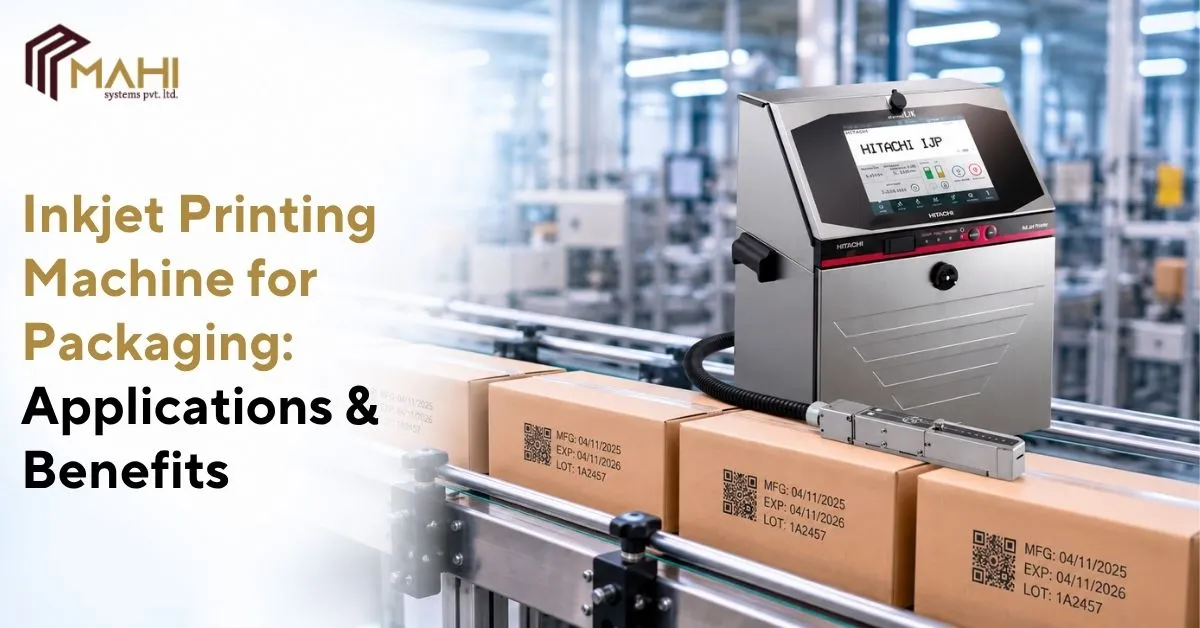
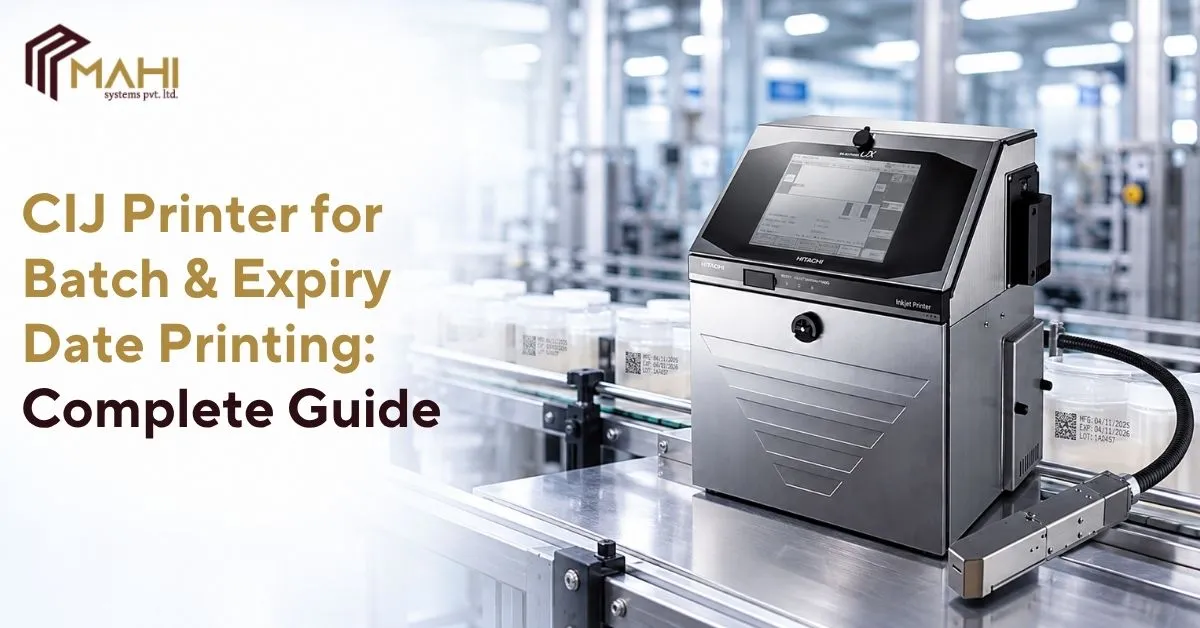
A CIJ printer is designed for continuous, high-speed coding on products such as bottles, cans, cables, and pipes. It is useful for production lines that require non-contact printing on different product shapes and surfaces.
2. Thermal Inkjet (TIJ) Printer
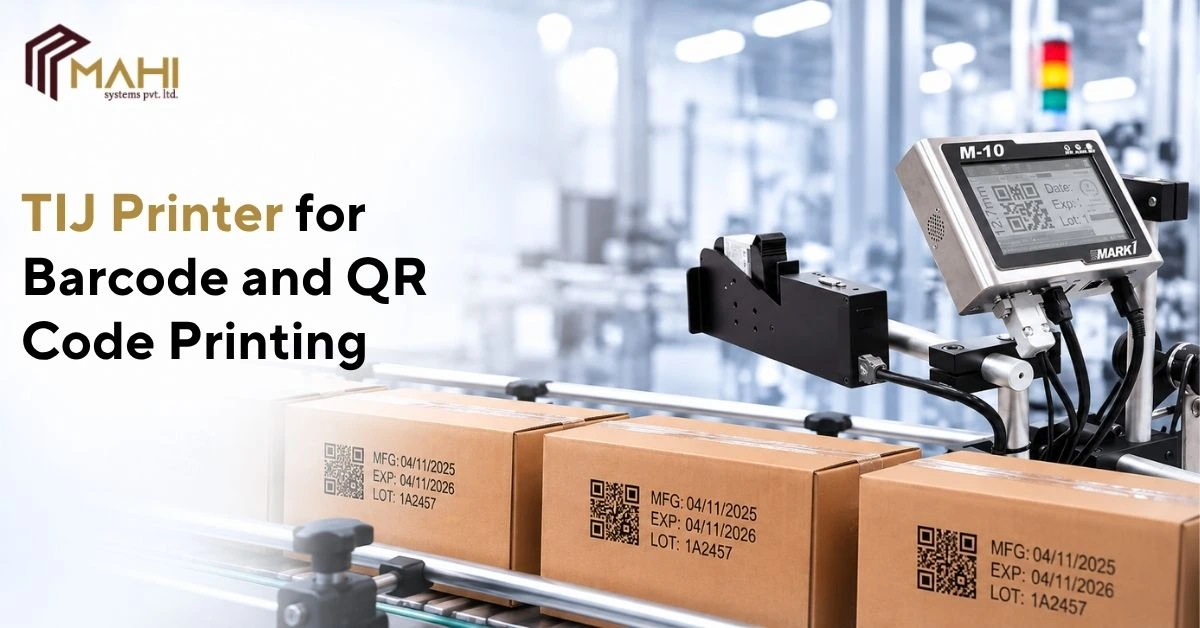
A TIJ printer produces clear text, numbers, and codes on compatible surfaces, including cartons, labels, and packaging materials. It is suitable for applications requiring readable codes and straightforward operation.
3. Thermal Transfer Overprinting (TTO) Printer
A TTO printers use a heated printhead and ribbon to print variable information on flexible packaging films, pouches, and wrappers. They are commonly used for product details on packaging in food, pharmaceutical, and consumer goods manufacturing.
4. Large Character Inkjet Printer
A Large Character Inkjet Printer is used when packaging requires larger, easily visible text or codes. Typical applications include printing on cartons, sacks, cases, and other secondary packaging used in warehousing and distribution.
5. Piezo Inkjet Printer
A Piezo Inkjet Printer uses piezoelectric technology to eject ink droplets onto a surface. Depending on the system configuration, it can support applications requiring larger-format printing, graphics, or variable information on suitable materials.
6. Laser Marking System
A Laser marking systems create permanent marks on compatible materials without conventional ink. They can be suitable for product identification, serial numbers, and traceability codes where the material and application support laser marking.
Looking for the right coding and marking solution for your production line? Contact Us to discuss your printing requirements.
Key Features to Consider
Before purchasing a Batch Coding Printer, evaluate the following factors:
- Print quality: Ensure text, dates, and codes are clear and readable.
- Printing speed: Match the printer’s performance to the production line.
- Material compatibility: Confirm suitability for cartons, plastic, glass, films, or other target surfaces.
- Code requirements: Identify whether you need small text, large characters, barcodes, graphics, or variable data.
- Operating costs: Evaluate ink, ribbons, maintenance, and other consumables where applicable.
- Integration: Check compatibility with conveyors, packaging machines, and existing production systems.
Applications of Batch Coding Printers
A Batch Coding Printer supports identification and traceability requirements across multiple industries.
- Food and beverages: Printing batch numbers, manufacturing dates, and expiry information on products and packaging.
- Pharmaceuticals: Marking product details and identification codes on compatible packaging.
- FMCG and cosmetics: Printing variable information on containers, labels, cartons, and wrappers.
- Logistics and warehousing: Applying large, visible codes to cases, cartons, and sacks.
- Industrial manufacturing: Marking cables, pipes, components, and other products for identification and traceability.
The best printer depends on the surface, code size, production speed, and printing requirements of each application.
How to Choose the Right Batch Coding Printer?
Start by identifying the packaging material, required code content, print size, production speed, and printing location. For small product codes, CIJ or TIJ may be suitable; TTO is commonly used for flexible packaging, while large character and piezo inkjet systems address specific printing requirements. Compare the actual capabilities of each system before making a decision.
Frequently Asked Questions
It prints variable information such as batch numbers, manufacturing dates, expiry dates, and product identification codes on products and packaging.
Common options include CIJ, TIJ, TTO, large character inkjet printers, piezo inkjet printers, and laser marking systems.
TIJ printers can print clear codes on compatible cartons, while large character inkjet printers are useful when larger, more visible markings are required.
CIJ printers are commonly used for continuous, high-speed non-contact coding across varied product shapes. TIJ printers are often selected for clear coding on compatible packaging surfaces.
Consider the packaging material, print size, code content, production speed, operating costs, maintenance requirements, and integration needs.
Conclusion
The right Batch Coding Printer helps manufacturers maintain readable product information, support traceability, and improve packaging workflows. Comparing printing technologies, material compatibility, print requirements, and operating costs can help businesses choose equipment that fits their production needs.
Related Posts