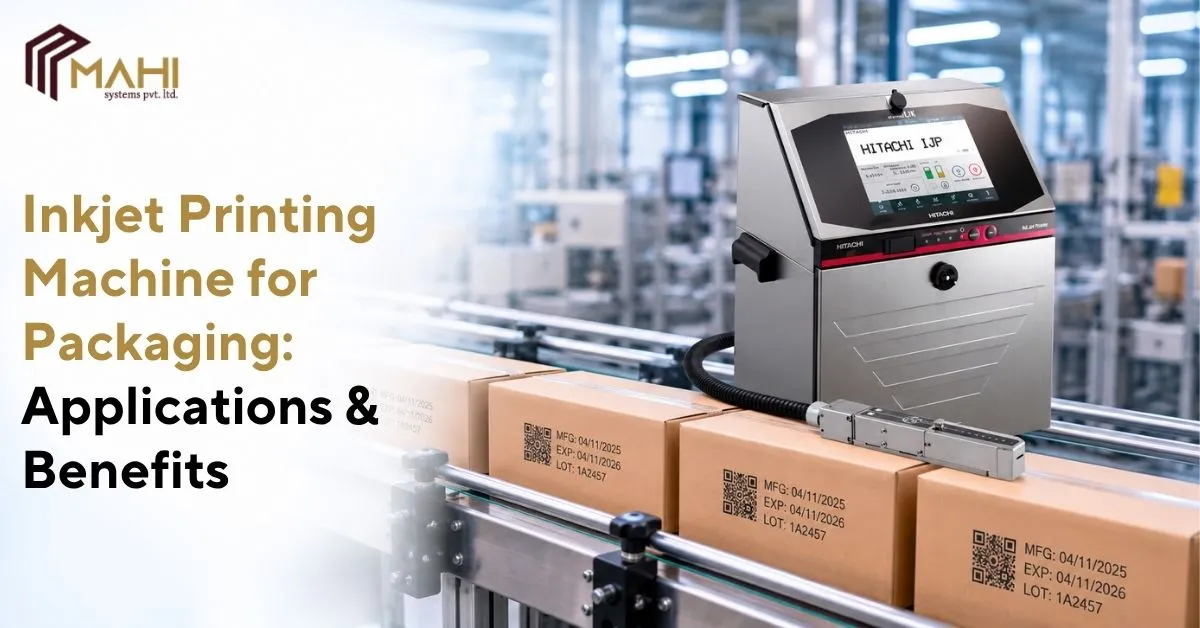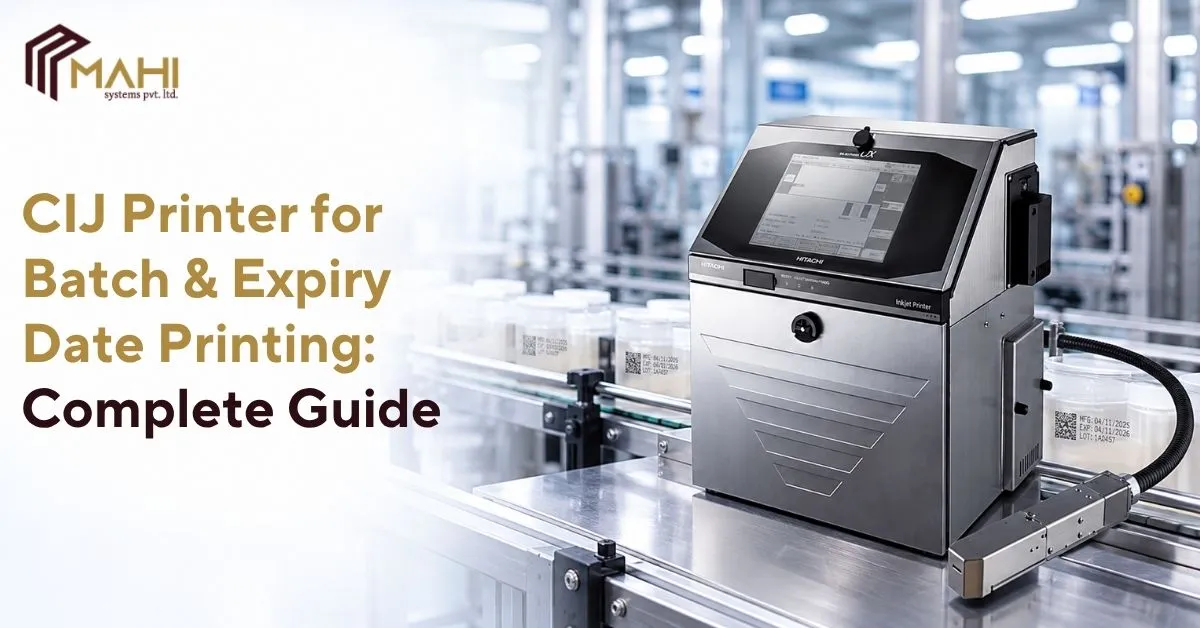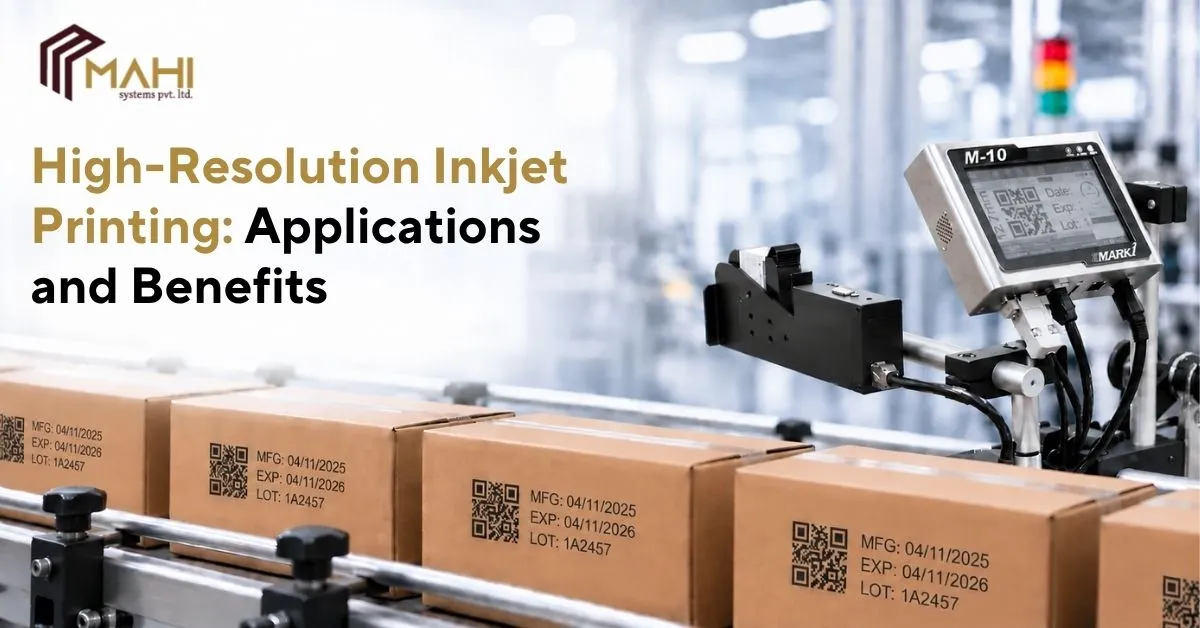
Packaging needs to communicate more than a product name. Manufacturing dates, expiry dates, batch numbers,…
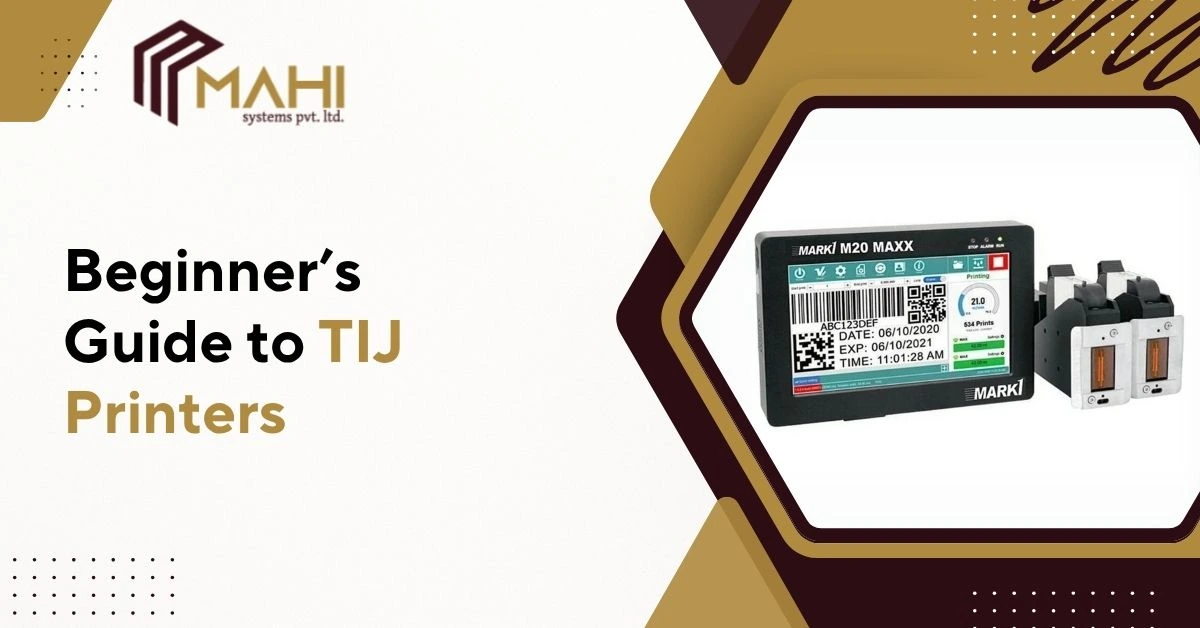
Modern manufacturing and packaging industries require reliable coding and marking solutions to ensure product traceability and compliance. From printing batch numbers and expiry dates to barcodes and QR codes, industrial printers play a critical role in production operations. Selecting the right printing technology can improve efficiency, reduce downtime, and maintain consistent print quality.
Among the various industrial printing technologies available today, the TIJ Printer has gained significant popularity because of its compact design, high-resolution output, and ease of maintenance. Businesses across food, pharmaceutical, FMCG, cosmetics, and packaging industries rely on this technology for accurate and efficient product coding.
Understanding how this printing technology works helps manufacturers make informed operational decisions.
What is a TIJ Printer?
Industrial coding solutions are designed to print variable information directly onto products, labels, and packaging materials. Different technologies are available, each offering unique benefits depending on production requirements.
A TIJ Printer (Thermal Inkjet Printer) is a non-contact printing system that uses heat to eject tiny droplets of ink onto a substrate. This process enables precise and high-resolution printing of text, barcodes, QR codes, logos, and batch information.
Key features include:
- High print resolution
- Compact design
- Easy integration
- Low maintenance requirements
- Fast installation
These advantages make thermal inkjet technology suitable for a wide range of industrial applications.
How Does a TIJ Printer Work?
Understanding the working principle of industrial printing equipment helps operators optimize performance and maintenance practices. Thermal inkjet technology relies on controlled heating to generate ink droplets.
Inside a TIJ Printer, microscopic heating elements rapidly heat the ink within the cartridge. The heat creates pressure that forces tiny ink droplets through the printhead nozzles and onto the printing surface.
Many technical resources include a Thermal Inkjet Printer Diagram to help users visualize this process and understand component functionality.
The result is sharp, clear, and consistent printing suitable for demanding production environments.
Key Components of a TIJ Printer
Every industrial printing system consists of several essential components that work together to produce accurate coding results.
Important components include:
- Printhead
- Ink cartridge
- Controller
- User interface
- Mounting system
- Encoder (optional)
A TIJ Printer combines these components within a compact structure, making installation and operation relatively straightforward compared to many traditional coding systems. Understanding these components helps operators perform routine inspections and maintenance more effectively.
Common Applications of TIJ Printers
| Industry | Typical Printing Applications |
| Food & Beverage | Expiry dates, batch codes |
| Pharmaceuticals | Manufacturing and expiry details |
| FMCG | Product identification |
| Cosmetics | Packaging codes and logos |
| Packaging | Barcodes and QR codes |
| Electronics | Traceability markings |
These applications demonstrate the versatility of thermal inkjet technology across manufacturing sectors.
Looking for reliable industrial coding solutions? Contact Us for TIJ printing systems designed to deliver high-quality coding, easy integration, and dependable production performance.
Advantages of Using TIJ Printers
Manufacturers often evaluate printing technologies based on print quality, operational efficiency, maintenance requirements, and overall cost of ownership.
One of the primary reasons businesses choose a TIJ Printer is its ability to deliver high-resolution printing while maintaining operational simplicity.
Some key Advantages of Inkjet Printing include:
- Sharp print quality
- Minimal maintenance
- Easy operation
- Compact footprint
- Quick startup
- Reliable coding performance
These benefits help manufacturers improve productivity while maintaining coding accuracy.
Factors Affecting Printer Costs
Investing in industrial printing equipment requires careful consideration of both equipment costs and long-term operating expenses. Pricing may vary depending on specifications, print requirements, and production environments.
The cost of a TIJ Printer is influenced by factors such as:
- Print resolution requirements
- Number of print lines
- Production speed
- Software features
- Ink compatibility
- Integration requirements
Businesses comparing options often research Thermal Inkjet Printer Price trends to evaluate the most suitable solution for their operational needs. A proper assessment helps maximize return on investment.
Installation and Basic Operation
Successful implementation requires proper installation, configuration, and operator training. Most thermal inkjet systems are designed for simple deployment within existing production lines.
Before operating a TIJ Printer, users should:
- Verify mounting stability
- Install cartridges correctly
- Configure print settings
- Test print quality
- Monitor production alignment
Manufacturers commonly provide a TIJ Inkjet Printer Manual that outlines setup procedures, maintenance guidelines, and troubleshooting instructions. Following recommended procedures helps ensure consistent performance.
Choosing the Right Printing Solution
Different production environments have unique coding requirements. Factors such as production speed, substrate type, print content, and maintenance expectations influence equipment selection.
When evaluating coding systems, a TIJ Printer is often considered for applications requiring high-resolution printing, operational flexibility, and ease of use.
Businesses should evaluate:
- Production requirements
- Print quality expectations
- Available installation space
- Consumable costs
- Maintenance needs
Comparing solutions carefully helps manufacturers choose the most suitable technology.
Frequently Asked Questions
A TIJ Printer is used for printing batch numbers, expiry dates, barcodes, QR codes, logos, and variable information on products and packaging.
It uses thermal technology to heat ink and create tiny droplets that are ejected through the printhead onto the printing surface.
Industries such as food, pharmaceuticals, FMCG, cosmetics, electronics, and packaging commonly use TIJ Printers.
High-resolution printing, low maintenance, compact design, and easy integration are some of the main advantages.
Yes. Factors such as print resolution, speed, features, and integration requirements can influence pricing.
Conclusion
Industrial coding and marking systems are essential for maintaining traceability, compliance, and product identification across manufacturing environments. Understanding printer components, operating principles, installation requirements, and application areas helps businesses make informed equipment decisions.
From high-resolution coding and easy integration to efficient operation and reduced maintenance, a TIJ Printer offers practical advantages for modern production lines. As industries continue to prioritize accuracy and efficiency, thermal inkjet technology remains a dependable solution for a wide range of coding and marking applications.
Related Posts