A CIJ Printer is widely used in industrial production for coding and marking. It works…
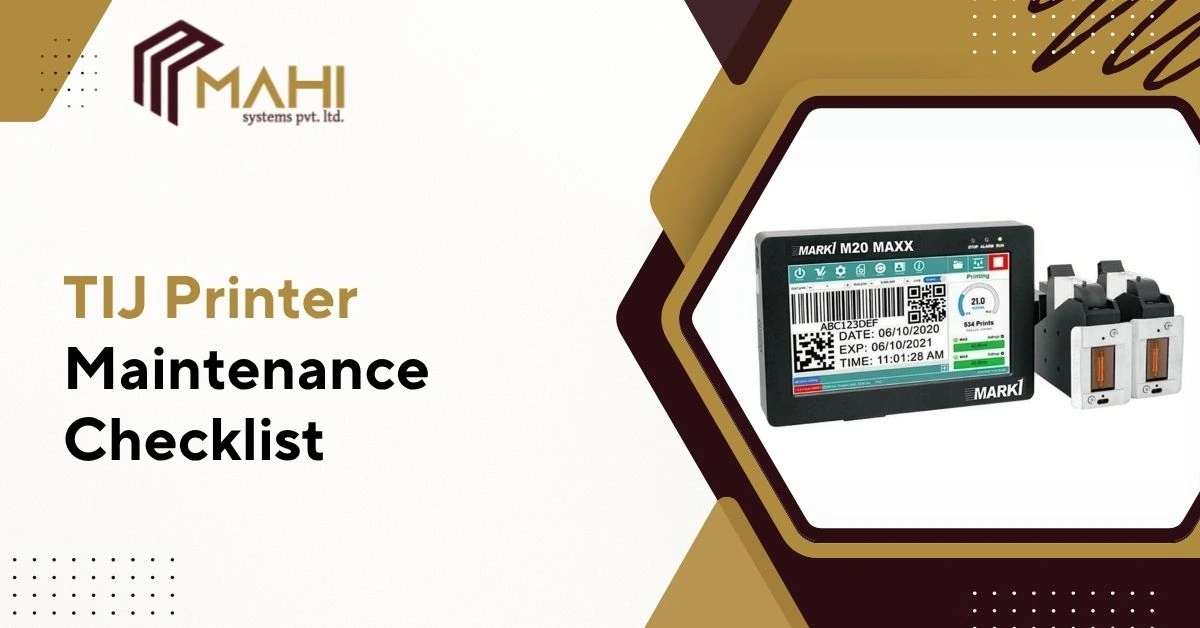
Industrial printing systems are expected to deliver accurate and uninterrupted coding performance across demanding production environments. Consistent print quality, minimal downtime, and operational efficiency depend heavily on preventive maintenance and regular inspection. Poor equipment care often results in coding errors, print defects, and unexpected production delays.
Modern manufacturing facilities rely on structured maintenance practices to ensure long-term equipment reliability. Regular cleaning, system checks, and proper consumable handling help maintain smooth production while reducing repair costs and operational disruptions. Within industrial coding operations, a TIJ Printer performs most effectively when supported by a disciplined and preventive maintenance routine. A structured maintenance approach remains essential for achieving dependable coding performance.
Why Routine Maintenance Matters?
Industrial printers operate continuously under challenging production conditions where dust, vibration, and environmental exposure may affect performance. Preventive maintenance helps reduce sudden failures and supports efficient operation.
Routine maintenance supports:
- Consistent print quality
- Reduced downtime
- Lower maintenance costs
- Longer equipment lifespan
- Improved production efficiency
Within industrial coding operations, a TIJ Printer performs more reliably when maintenance is completed according to scheduled intervals. Regular care helps maintain operational stability and production continuity.
Daily Maintenance Checklist
Daily inspection helps identify small issues before they become larger operational problems. Visual inspection and cleaning form the foundation of effective maintenance.
Recommended daily activities include:
- Inspect print quality
- Clean printhead surfaces
- Check cartridge condition
- Remove dust and debris
- Verify positioning and alignment
- Monitor ink levels
Production environments that depend on high-speed coding often experience better performance when a TIJ Printer undergoes daily maintenance and inspection. Routine attention supports coding accuracy throughout production shifts.
Weekly Maintenance Activities
Weekly maintenance focuses on deeper system inspection and performance verification. Production equipment may experience wear or configuration changes over time, making scheduled reviews important.
Recommended weekly checks include:
- Inspect mounting systems
- Review cable connections
- Clean surrounding components
- Verify system configuration
- Check synchronization with production equipment
Operational consistency improves when a TIJ Printer is regularly evaluated for mechanical stability and system performance. Structured inspection reduces long-term operational risks.
TIJ Printer Maintenance Checklist Overview
| Maintenance Frequency | Key Activity | Purpose |
| Daily | Printhead cleaning | Prevent print defects |
| Daily | Cartridge inspection | Ensure stable ink flow |
| Weekly | System inspection | Improve reliability |
| Weekly | Configuration review | Maintain print accuracy |
| Monthly | Full maintenance review | Extend equipment life |
Planned maintenance schedules help improve equipment reliability and operational efficiency.
Looking to improve industrial coding reliability? Contact us for maintenance-focused printing solutions designed for consistent performance and efficient production operations.
Importance of Cartridge Inspection
Cartridge condition directly affects coding quality and production reliability. Ink contamination, drying, or improper handling may result in inconsistent printing and operational delays.
Maintenance teams should inspect:
- Cartridge sealing
- Ink flow condition
- Nozzle cleanliness
- Installation accuracy
- Usage and replacement status
Reliable coding performance improves when a TIJ Printer receives proper cartridge inspection and consumable monitoring. Careful cartridge handling helps reduce print-related problems.
Proper Cartridge Handling and Storage
Consumable management is an important part of preventive maintenance. Improper storage or delayed replacement may negatively affect printing consistency and equipment performance.
Best practices include:
- Store cartridges properly
- Avoid excessive environmental exposure
- Follow replacement schedules
- Maintain clean installation areas
- Use recommended consumables
Operational efficiency improves when a TIJ Printer uses properly maintained and correctly stored consumables. Good cartridge management supports dependable production output.
Equipment Configuration and Performance Monitoring
Printer configuration influences coding precision and production efficiency. Incorrect setup may lead to faded prints, positioning errors, or inconsistent marking quality.
Maintenance teams should monitor:
- Print positioning
- Alignment accuracy
- Print density
- Operational speed
- Communication settings
Production lines achieve more reliable results when a TIJ Printer is routinely monitored for configuration accuracy and performance consistency. Monitoring helps prevent avoidable coding errors.
Working with Technical Support and Service Providers
Equipment reliability depends not only on maintenance but also on timely technical assistance and professional support. Expert guidance can help businesses address operational issues quickly.
Professional support may include:
- Technical troubleshooting
- Maintenance guidance
- Consumable recommendations
- Installation assistance
- Performance optimization
Long-term operational stability often improves when a TIJ Printer is supported by experienced service professionals and reliable technical assistance. Strong support helps reduce production interruptions.
Common Maintenance Mistakes to Avoid
Even with preventive schedules in place, certain maintenance mistakes may still reduce operational efficiency and increase repair requirements.
Common mistakes include:
- Ignoring print defects
- Delaying inspection
- Improper cleaning practices
- Poor cartridge handling
- Skipping routine maintenance
Operational reliability improves significantly when a TIJ Printer is maintained through disciplined procedures and scheduled inspection practices. Preventive maintenance helps minimize avoidable downtime.
Frequently Asked Questions
Routine maintenance improves print quality, reduces downtime, and supports longer equipment life.
Daily inspection and cleaning are generally recommended for consistent coding performance.
Cartridge inspection helps prevent print defects and supports stable ink delivery.
Poor maintenance may lead to print failures, downtime, and increased repair costs.
Yes. Proper maintenance supports stable operation and helps reduce operational interruptions.
Conclusion
Industrial coding performance depends heavily on preventive maintenance, regular inspection, and proper consumable management. Daily cleaning, cartridge monitoring, and scheduled equipment checks support better coding quality and more stable production performance.
From system inspection and configuration review to technical support and operational monitoring, a TIJ Printer benefits significantly from structured maintenance practices that contribute to long-term equipment reliability and production efficiency. As manufacturing operations continue demanding high-performance coding solutions, disciplined maintenance procedures will remain essential for sustainable and dependable printing operations.
Related Posts