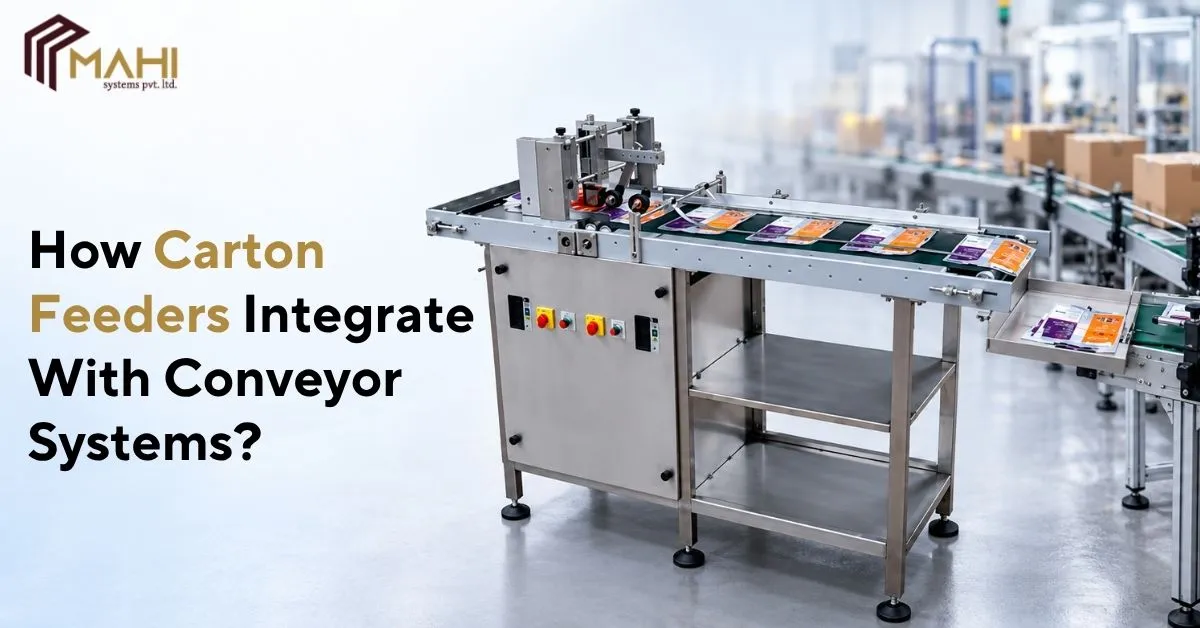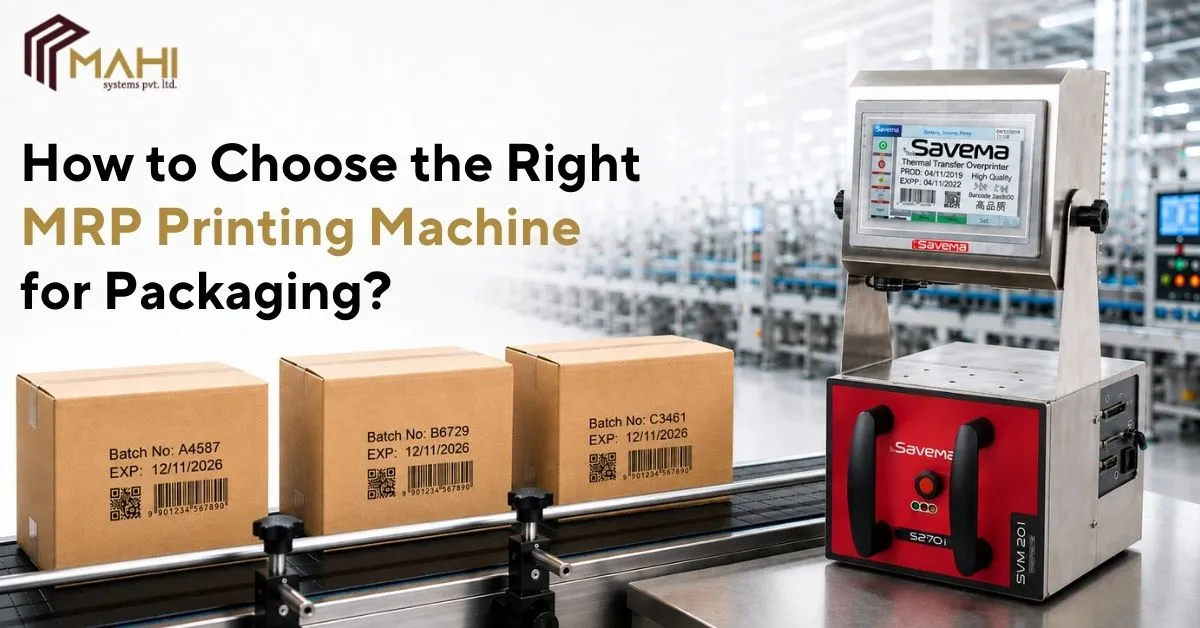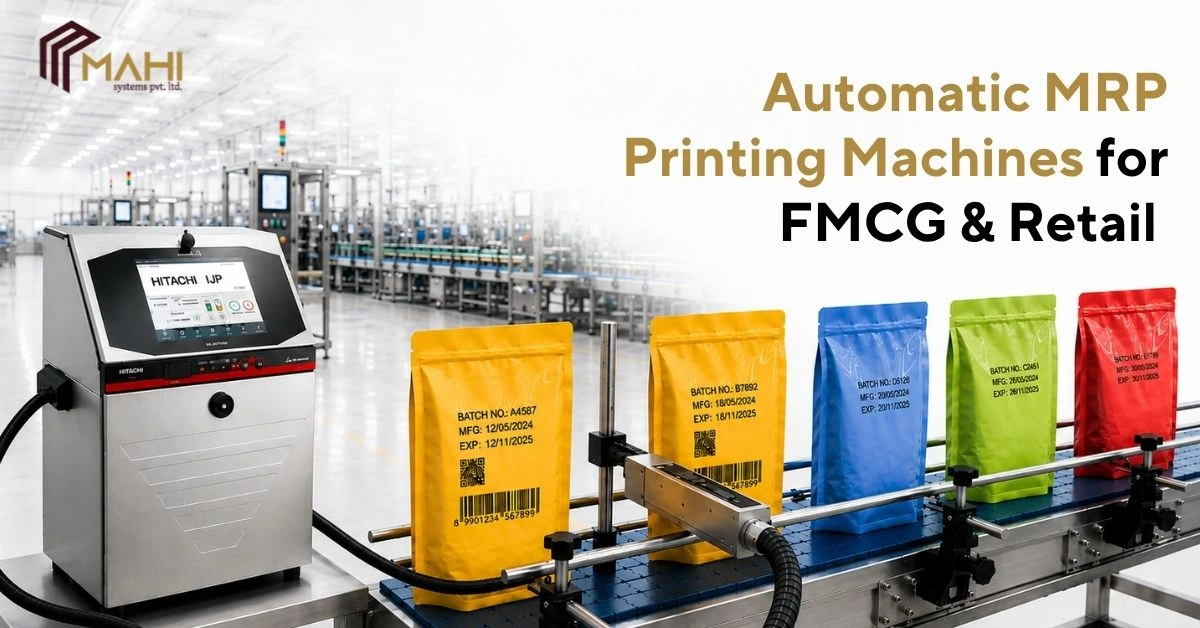
Modern packaging lines rely on automation to move cartons consistently from one stage to another…
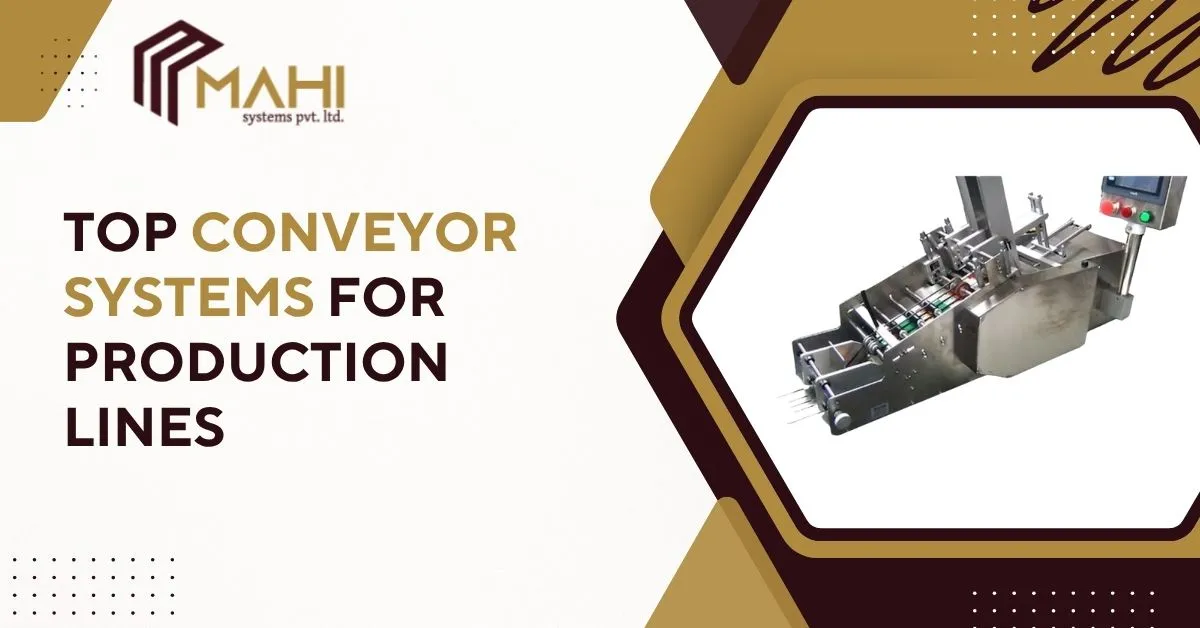
Modern manufacturing relies on speed, accuracy, and efficiency—and at the core of these improvements are conveyor systems that streamline product handling, automate repetitive tasks, and keep production lines running smoothly. Whether you’re in packaging, printing, food processing, or industrial manufacturing, choosing the right conveyor solution can significantly boost productivity and efficiency.
What Are Conveyor Systems?
In today’s automated production environments, consistent material flow is essential, and central to achieving this seamless movement are conveyor systems that transport items from one workstation to another with minimal human intervention. These systems reduce manual handling, prevent production delays, and support a continuous workflow by mechanically transferring products through different phases of manufacturing.
Benefits of Using Conveyor Systems in Production Lines
Every production facility aims to increase speed, accuracy, and throughput—and powering these improvements effectively are conveyor systems that minimize downtime, reduce labor costs, and improve workplace safety. With automated product movement, production lines can operate continuously with fewer errors, creating a more efficient and reliable output.
Key Benefits:
- Faster movement of materials
- Reduced manual handling
- Improved worker safety
- Better production accuracy
- Lower operational costs
- Scalable for future growth
Top Conveyor Systems for Production Lines
Different industries require different handling methods, and at the heart of these specialized requirements are conveyor systems designed for specific material types, workflow speeds, and production environments. Below are the top conveyor solutions used across modern production facilities.
Belt Conveyor Systems
Smooth product movement is crucial for packaging and assembly lines, and supporting this seamless workflow are conveyor systems like belt conveyors that use a continuous belt to transport goods. These conveyors are ideal for lightweight to medium-weight products and are widely used for labeling, inspection, packing, and sorting.
Roller Conveyor Systems
Heavy-duty production settings need strong equipment, and perfectly suited for this requirement are conveyor systems with roller mechanisms that efficiently move bulky items or pallets. Roller conveyors are available in gravity and powered versions, making them highly versatile in warehouses, manufacturing plants, and logistics centers.
Chain Conveyor Systems
Industrial environments dealing with heavy loads rely on strong equipment, and central to supporting such weight-bearing needs are conveyor systems powered by chain drives that handle metal parts, machinery components, and other high-torque materials. Chain conveyors are durable, stable, and designed for demanding applications.
Modular Plastic Conveyor Systems
Industries that require hygiene, washdown capability, and easy maintenance benefit greatly from conveyor systems with modular plastic belts that resist corrosion and contamination. These conveyors are ideal for food processing, beverage bottling, bakeries, and pharmaceutical operations where cleanliness is crucial.
Vertical Conveyor Systems
Space optimization is vital in multi-level production areas, and solving this challenge efficiently are conveyor systems designed to move products vertically between floors or mezzanines. Vertical conveyors improve workflow without taking up valuable floor space and support both upward and downward movement.
Overhead Conveyor Systems
Maximizing ground space is essential in busy manufacturing units, and addressing this need effectively are conveyor systems mounted above the working area to transport items overhead. These systems are commonly used in assembly lines, paint shops, garment factories, and drying areas.
Pneumatic Conveyor Systems
When dealing with powders, grains, or small particles, cleanliness and containment are crucial, and excelling in this task are conveyor systems that use air pressure or vacuum to transport materials through enclosed pipelines. Pneumatic conveyors ensure dust-free, contamination-free handling for sensitive industries.
Top Conveyor Systems
| Conveyor Type | Best For | Industries | Advantages | Limitations |
| Belt Conveyor | Boxes, pouches, packages | Packaging, Food | Affordable & versatile | Belt wear |
| Roller Conveyor | Heavy items | Warehousing, Industrial | Strong & low maintenance | Not for small items |
| Chain Conveyor | Industrial parts | Automotive, Metal | High strength | Noisy |
| Modular Plastic | Hygienic goods | Food, Pharma | Easy cleaning | Not for heavy loads |
| Vertical Conveyor | Multi-level movement | Warehousing | Saves space | Complex setup |
| Overhead Conveyor | Hanging goods | Apparel, Auto | Frees floor space | Requires planning |
| Pneumatic Conveyor | Powders & grains | Food, Chemical | Dust-free & hygienic | High energy use |
How to Choose the Right Conveyor System
Every production process has unique requirements and guiding the selection of suitable equipment effectively are conveyor systems that must align with your product weight, size, speed, layout, and environmental conditions. Choosing wisely ensures long-term performance, cost-efficiency, and smoother workflow.
Key Considerations:
- Product size and weight
- Required speed and throughput
- Available floor and vertical space
- Hygienic or washdown needs
- Integration with automation
- Budget and maintenance costs
Conveyor System Maintenance Tips
Longevity and efficiency depend on routine care, and at the center of a reliable operation are conveyor systems that require regular inspections, lubrication, cleaning, and timely adjustments. Proper maintenance prevents breakdowns and ensures maximum system uptime.
Maintenance Checklist:
- Check belt tension and alignment
- Clean conveyor surfaces to avoid buildup
- Lubricate bearings and chains
- Inspect for wear or unusual noise
- Replace worn rollers and parts
- Keep essential spares ready
- Use predictive maintenance sensors if available
Ready to improve your production efficiency with reliable conveyor solutions?
Simply contact us today to get expert guidance.
Future Trends in Conveyor Systems
Automation is advancing rapidly, and shaping the future of industrial material handling are conveyor systems enhanced with smart sensors, energy-efficient motors, AI-driven monitoring, and robotic integration. These innovations help companies achieve higher productivity and lower operational costs.
Key Trends:
- IoT-enabled monitoring
- Artificial intelligence for predictive maintenance
- Robotics integration
- Modular and flexible conveyor designs
- Eco-friendly materials and components
Available Conveyor Systems
Below are commonly used conveyor and feeding solutions that support fast, efficient production in printing, packaging, and manufacturing environments.
Auto Carton Feeder
Precise carton feeding is essential for high-speed packaging lines, and improving this process significantly are conveyor systems like the Auto Carton Feeder, capable of feeding cartons quickly and accurately for printing or labeling tasks.
- Print Capacity: Varies with printer
- Character Speed: Up to 120/min
Auto Vacuum Pouch Feeder
Accurate pouch feeding helps ensure smoother printing and packaging operations, and central to maintaining this accuracy are conveyor systems such as the Auto Vacuum Pouch Feeder built for flexible packaging and pouch handling applications.
- Print Capacity: Varies with printer
- Character Speed: Up to 60/min
Flat Bed Conveyor
General product movement in many industries depends on stable transport equipment, and enabling this smooth transition are conveyor systems like the Flat Bed Conveyor, perfect for moving items across tables or production workstations.
Frequently Asked Questions
Belt and roller conveyors are the most widely used because they are versatile, affordable, and easy to install.
Chain conveyors and powered roller conveyors are ideal for transporting heavy industrial components.
Modular plastic and stainless-steel conveyors offer hygiene, washdown capability, and contamination-free operation.
Daily inspections and scheduled lubrication, cleaning, and belt alignment help ensure long-term reliability.
Yes, modern conveyor systems work seamlessly with sensors, printers, robotics, and full automation setups.
Conclusion
High-performance manufacturing requires reliable equipment, and at the heart of every successful production line are conveyor systems that increase speed, reduce labor, and create a consistently efficient flow. Whether your operation needs belt conveyors for packaging, roller conveyors for heavy items, or pneumatic conveyors for powders, choosing the right system will significantly improve overall productivity and long-term operational success.
Related Posts